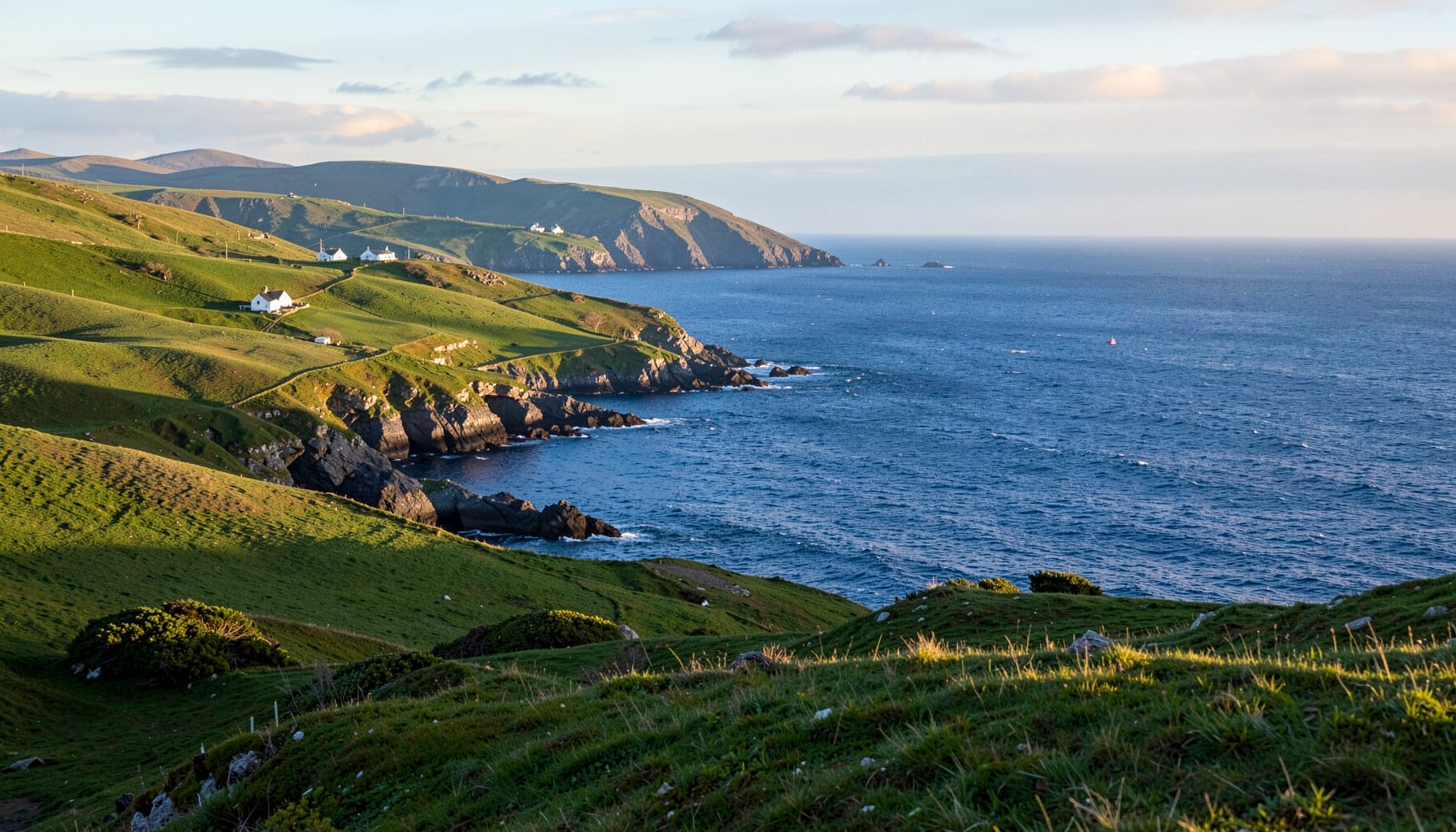
Snorkelling coves and marine life on the Skellig Coast
The Skellig Coast runs from Kells and Portmagee to Castlecove, where rocky coves open onto the Atlantic. The shoreline changes quickly: sheltered channels sit beside exposed beaches, kelp beds fill the tidal edges, and distant Skellig Michael dominates the horizon. Snorkelling reveals a quieter world of small fish, seals, seabirds and underwater growth, yet each cove has its own currents and hazards.
Conditions can change faster than a forecast, so a good snorkelling plan depends on the tide, wind, swell and local advice rather than a fixed list of beaches. This guide compares the most practical swimming areas, identifies marine life commonly associated with them and explains what visitors from Australia should prepare for in a cool, Atlantic climate.
Comparing sheltered coves and open-water swims
The first choice is between a protected channel and a beach exposed to western weather. Access, parking and entry conditions can also differ between neighbouring coves, so the descriptions below offer a planning aid rather than a promise of calm water.
| Cove or area | Swimming character | What to look for | Main caution |
|---|---|---|---|
| St Finian’s Bay | Usually sheltered, with shallow rocky edges and sand patches | Fish, eelgrass and seaweed close to shore | A running tide can develop; wet rock is slippery |
| Portmagee Channel | Relatively protected water around Valentia Island and Bull Island | Reef fish, kelp and passing seabirds | Boat traffic and currents; do not land on Bull Island |
| Ballinskelligs and Little Kells | Sandy beach with rocky fringes and open Atlantic views | A shore swim combined with island scenery | Wind-driven surf can arrive quickly |
| Castlecove | Rocky, seaweed-fringed cove with clear-water conditions in calm spells | Marine invertebrates, wrasse and coastal scenery | Atlantic swell can reach the shore; parking is limited |
| Sneem coves and harbour | Mixed rocky shore and calmer water near the settlement | Reef life, kayaking and shoreline exploration | Tide and harbour traffic shape conditions |
Sheltered does not mean harmless. A calm surface may hide a running tide, and a sunny beach can become rough after a squall. Ask locally about the previous tide, check wind direction against the Atlantic exposure and enter only within your ability. Families and beginners often get more from Portmagee or St Finian’s Bay, while confident cold-water swimmers may prefer the wilder edges near Kells, Sneem or Castlecove. Many remote coves have no lifeguard.
Portmagee, Kells and the sheltered bays
Portmagee is the easiest hub for combining a swim with coastal scenery. Its channel lies between Valentia Island and the mainland, giving shorter-fetch conditions than the open coast, while the sheltered waters around St Finian’s Bay reward a slow search of rocks and weed. Local colour adds another layer: the St Finian’s Bay legends explain how the saint, the bay and the landscape are connected in community memory.
St Finian’s Bay is a sensible first outing when the tide is benign. Watch for shallow patches, submerged stone and eelgrass, and keep clear of the causeway when waves wash over it. The ruined church and dramatic cliffs are best viewed from shore. Visibility can be excellent after several settled days, although surface glare and a rising tide affect what lies below.
North and south of Portmagee, Ballinskelligs and Little Kells offer longer sandy beaches, clear views toward the Skelligs and easy access to shoreline paths. These are more exposed than the bay itself, so check surf reports and local flags. Puffin Island, also called Bull Island, is important nesting habitat for seabirds; observe from shore or a boat, keep well clear and never land or feed the birds.
Castlecove, Sneem and Atlantic exposure
Castlecove rewards a more experienced approach. The cove is backed by steep slopes and edged by rock and dense weed, giving snorkelers close views of blennies, crabs and anemones when the swell is absent. It can be reached along the Kerry coastal route, but roadside parking is limited and the surrounding landscape offers little shelter from a sudden downpour.
Further around the Ring of Kerry, the coves near Sneem mix rocky ledges with short sandy sections and make a natural stop between coastal walks and town breaks. Water in the harbour can feel calmer than the open shoreline, but currents gather around headlands and entrances. Ask about the tide before choosing an entry point, and never step onto a ledge if a wave could take your feet away.
Skellig Michael requires a separate approach. The UNESCO island, familiar to Star Wars audiences, is not a conventional snorkelling site: landings and boat access are controlled by National Parks conditions and licensed operators, while the exposed waters and swell make independent swimming unsuitable. View the island from safe coastal paths or join an authorised boat trip; do not attempt to land, swim ashore or climb the slick steps.
Marine life beneath the surface
Life in the coves is concentrated around structure. Rock ledges create refuge for gobies, blennies and juvenile wrasse, while kelp fronds sway over deeper fish such as conger, sea bass and occasionally plaice. Rockweed, coralline algae and eelgrass form distinct microhabitats. A careful look at the bottom often reveals hermit crabs, gobies, shrimps and anemones that are easy to miss while swimming at the surface.
Atlantic grey seals are the most celebrated large animals in these waters, sometimes resting on ledges or surfacing close to boats. Dolphins, including bottlenose dolphins, may pass through the wider bay, and humpback whales are seasonal visitors to Irish waters. Their appearance is never guaranteed. Keep voices low around seals, avoid blocking their route to land and follow Irish guidance on wildlife distances.
Abundant seabirds offer an above-water extension to the snorkel: gannets plunge into the sea, fulmars glide near the surface, and guillemots, razorbills and kittiwakes gather around ledges and islands. In suitable season, skuas and migrating shearwaters can also appear. Atlantic jellyfish, including lion’s mane, occur in cooler water. Their presence is a reason to keep an eye on the water, not a reason to panic or remove protective clothing.
Practical guidance for Australian visitors
Most Australian travellers fly from Melbourne or Sydney to Dublin and connect with Kerry Airport near Farranfore, then hire a car for Portmagee, Kells and the southern Ring of Kerry. Driving on the left and reading distances in kilometres will feel familiar, but narrow rural roads, stone walls and sudden bends demand attention. Many rental firms ask for a valid Australian licence and an International Driving Permit, so arrange both before departure.
Australian beach habits need adjustment for an Irish Atlantic swim. The water is often around 11–14°C in the warmer months, with wind making it feel colder, so a well-fitting wetsuit, gloves or a hood can make a long session comfortable. UV exposure can still be strong under cloud. A mineral sunscreen familiar from Australian supermarkets is useful, while a rash vest, towel and dry layers matter more than beach toys.
Local shops in Portmagee and Sneem serve small communities and may keep limited hours, especially outside summer and on Sundays. Contactless cards are common, but some rural cafés, car parks or small traders may prefer a few euro notes or coins. Plan supplies in larger towns, and support local bakeries, seafood counters and cafés rather than assuming every attraction has a full-size supermarket nearby.
Respect posted bathing flags and the instructions of lifeguards or beach owners; a red flag means no swimming and a yellow flag calls for caution. Irish and EU coastal rules apply here, rather than the state-based beach and wildlife regulations familiar in Australia. Nesting birds and marine mammals are protected, so landing, collecting, feeding or closely approaching wildlife can lead to fines. Boats visiting Skellig Michael must use authorised operators and comply with weather, landing and passenger-safety rules. Carry 112 or 999 as the emergency number.
Plan a responsible day on the coves
A productive day combines one established swimming location with time spent on shore. Use the sheltered bays for observation, save exposed coves for calm conditions, and allow enough energy to enjoy the villages and paths that give the region its character. The following choices help keep the outing safe, comfortable and useful to the coast.
- Check Met Éireann, marine forecasts, tide times and local advice before choosing an entry point.
- Keep the first swim within your ability, use a buddy system and remain close to the shore when currents are unfamiliar.
- Wear suitable thermal protection, carry a charged phone and identify the nearest safe exit before entering the water.
- Leave shells, seaweed, wildlife and litter in place, and keep food and belongings secured from gulls and seals.
Begin at St Finian’s Bay or Portmagee if you are new to cold-water snorkelling, then build confidence around local ledges rather than extending the swim beyond your limits. Identify the nearest parking and exit points, and tell someone when you expect to return. If visibility is poor, use the time to explore the shoreline ecology and local heritage instead.
Plan your visit around the Skellig Coast’s community information, local events and heritage walks, and choose independent guides, cafés and shops where possible. Every respectful visit supports the people who care for these coves and their marine wildlife. Check the latest conditions, select a cove that matches your ability, and make your next Atlantic dive part of a wider journey through the Ring of Kerry.