The Kerry Bog Pony And Its Conservation On The Peninsula
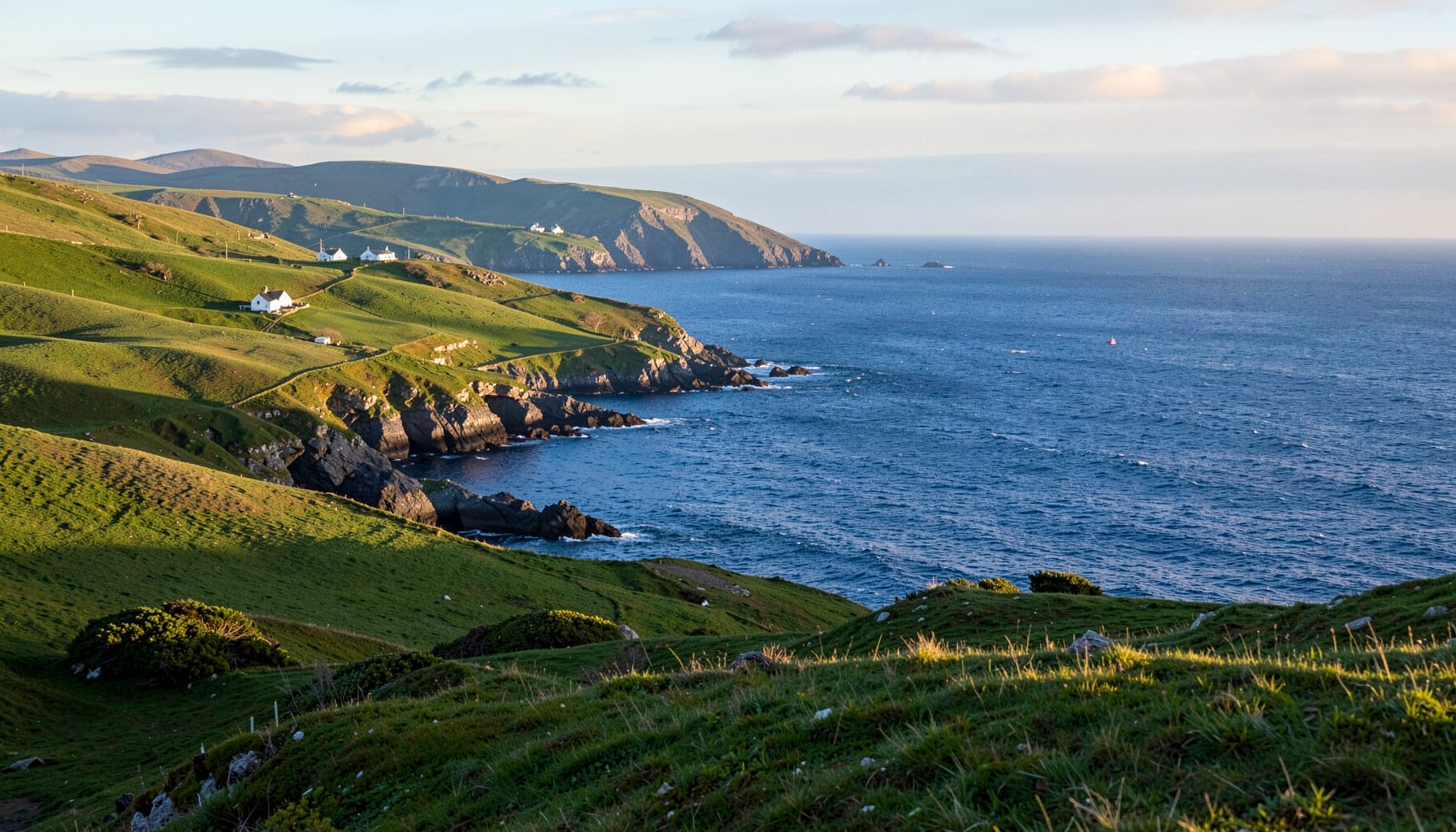
Along the western edge of Ireland’s Iveragh Peninsula, the Kerry Bog Pony belongs to a landscape of wet mountain ground, stone walls, wind-shaped hedges and small farms. Compact, hardy and sure-footed, it developed in a region where a horse had to manage poor grazing, heavy rain and narrow roads. Its story is closely tied to the people who worked the bogs, fields and coast of Kerry.
For visitors from Australia, the breed offers a different way to understand rural heritage. This is not simply a small horse preserved for display. It represents local knowledge, changing land use and a community effort to retain an animal adapted to a demanding environment. Learning about it adds another layer to the peninsula’s better-known attractions, from village life to Skellig Michael.
A Pony Shaped By Kerry’s Landscape
The Kerry Bog Pony is associated with the remote valleys and upland bogs of County Kerry, particularly the Iveragh Peninsula and areas around Glenbeigh, Cahersiveen and the MacGillycuddy’s Reeks. Its short stature helped it move beneath low branches and across uneven ground, while its strong body made it useful for carrying turf, seaweed, milk churns and farm supplies.
Local accounts often describe these ponies as animals of small holdings rather than grand estates. A family might rely on one pony for several jobs: bringing peat home from the bog, transporting produce to a market, or helping with seasonal work. Their ability to live on sparse forage was valuable in a region where exposed land and wet soils limited the productivity of pasture.
The breed’s precise origins are difficult to prove. Stories connect it with ancient Irish ponies, imported stock and animals that survived in isolated Kerry communities. Rather than treating every origin story as established fact, researchers generally focus on the distinctive physical traits and genetic evidence that separate the Kerry Bog Pony from other native Irish types.
Work, Survival And Rural Memory
For generations, a pony could make the difference between a difficult journey and a manageable one. Before modern roads reached every settlement, a small, reliable animal was suited to tracks that would have been unsuitable for larger horses. Farmers used ponies for transport, while children and adults formed practical relationships with animals that were part of everyday household life.
The bog was a workplace as well as a habitat. Cutting turf supplied fuel, and the pony helped haul loads over ground that could be treacherous in wet weather. The animal’s strength, balance and calm temperament mattered more than height or fashionable breeding. These qualities also made it useful in coastal districts where farms were scattered and access to larger markets was limited.
Mechanisation and changes in agriculture reduced the need for this type of working pony during the twentieth century. Tractors, motor vehicles and improved roads transformed rural Kerry. As the old work disappeared, the number of ponies declined, and the breed became vulnerable to being absorbed into larger populations or simply overlooked.
That decline is part of the breed’s cultural importance. The Kerry Bog Pony recalls a time when transport, fuel and farming were closely connected. For local families, its history may be preserved through stories about particular animals, old photographs and memories of ponies kept near cottages or common grazing.
The Risk Of Disappearance
By the late twentieth century, the Kerry Bog Pony was considered extremely rare. A small number of animals continued to survive in Kerry, often in conditions that resembled their traditional environment. Their survival was not the result of a large, formal breeding industry. It depended on individual owners and communities that continued to value the ponies when there were few commercial reasons to do so.
The breed’s vulnerability came from several directions. A small population can lose genetic diversity, and unrecorded crossbreeding makes it harder to identify genuine bloodlines. Modern land management can also remove the rough, varied habitats that suit a native pony. Development, abandonment of common grazing and the subdivision of farms all influence whether traditional animals have somewhere to live.
Conservation efforts gained momentum when breeders and supporters began documenting surviving ponies, creating records and promoting a recognised breed standard. Organisations connected with the Kerry Bog Pony have worked to maintain stud books, encourage responsible breeding and raise public awareness. Registration and identification are practical tools: they help owners track ancestry and reduce the risk of accidental loss of the breed’s distinct characteristics.
The work resembles conservation of rare Australian breeds such as the Brumby in one important respect: public discussion can become simplified when an animal is treated only as a symbol. Effective protection requires attention to genetics, welfare, land management and the needs of people who care for the animals. Romantic images alone cannot sustain a viable population.
Conservation On The Iveragh Peninsula
On the peninsula, conservation is linked to working landscapes rather than fenced exhibits alone. Maintaining open ground, wet grassland and rough grazing can benefit a range of plants and animals, while giving ponies an environment compatible with their history. Good management still requires secure fencing, shelter, access to clean water, veterinary care and careful monitoring of body condition.
Small communities play a significant role in that process. Breeders, farmers, heritage groups, schools and local tourism projects can introduce the pony to new audiences without separating it from its regional setting. A visit to a recognised collection or heritage attraction may explain how the ponies were used, why their numbers fell and what responsible breeding involves.
The breed also fits the peninsula’s wider approach to living heritage. In villages between Kells and Castlecove, local history is often presented through landscapes, oral tradition, craft, archaeology and community events. The pony can be understood within that network, alongside old roads, farm buildings, boglands and the maritime culture of the coast.
Conservation must also respond to modern pressures. Ireland’s changing climate can produce wetter winters, summer droughts and altered grazing conditions. Visitors should avoid entering fields or feeding animals without permission. Simple choices, such as using designated paths and supporting local heritage organisations, help ensure that interest in the breed benefits the people and animals involved.
Meeting The Pony As A Visitor
The Kerry Bog Pony is best encountered through places and programmes that put welfare first. A responsible visit does not promise constant access to animals or encourage close contact without supervision. It explains the breed’s history and allows ponies to remain in suitable conditions, rather than treating them as props for photographs.
This distinction matters for travellers used to animal encounters in Australia, where wildlife parks and farm visits often have clear rules about feeding, touching and group size. On the Iveragh Peninsula, weather can change quickly, fields may be uneven, and some heritage sites operate on a small community scale. Sensible footwear, patience and respect for instructions are more useful than expecting a highly staged experience.
The pony can also broaden a visit to the region’s major attractions. Someone planning a boat trip to the offshore monastery can read about visiting Skellig Michael, then set aside time for inland heritage connected with farming and transport. Skellig Michael is internationally famous, but the pony reveals the quieter systems that supported life on the mainland.
For Australians, the contrast may be especially striking. The open scale of Kerry is different from a Victorian high-country property, a New South Wales regional showground or a Saturday farmers’ market in Melbourne. Yet the underlying connection between landscape, local produce and community identity is familiar. A pony once used to move goods to a village market belongs to the same broad story of regional economies that visitors recognise at Australian country shows and agricultural events.
Supporting A Living Breed
Buying from local businesses, attending community events and choosing heritage-led tours can help keep the story of the Kerry Bog Pony visible. The local market matters because conservation rarely operates in isolation. A café, craft shop, farm enterprise or visitor centre that interprets the breed contributes to a wider rural economy, particularly outside the busiest summer weeks.
Visitors from Sydney, Brisbane or Perth may be familiar with travelling during school holidays, when popular destinations become busy and accommodation costs rise. On the Iveragh Peninsula, spreading visits across the season can make it easier for small attractions and community groups to manage numbers. It also allows travellers to see the landscape in different conditions, from bright coastal days to the mist and rain that reveal why hardy animals were so important.
There is value in supporting conservation beyond a single visit. Share accurate information rather than repeating unverified claims about the pony’s ancestry, and follow the guidance of breed organisations and local landholders. If purchasing souvenirs, favour products made by local artists or enterprises that clearly explain where proceeds go. A regional heritage website can also connect the pony’s history with nearby villages, walking routes and cultural initiatives.
The Kerry Bog Pony survives because people chose to notice its value before it vanished. Its future will depend on the same combination of care: maintaining healthy bloodlines, protecting suitable grazing, supporting owners and giving the wider public a reason to understand the breed. Conservation on the peninsula is therefore both an animal project and a commitment to the memory of how Kerry communities once lived.
Explore the Skellig Coast with time for its quieter stories as well as its celebrated landmarks. Visit local heritage sites, learn from community-led programmes and support the people keeping the Kerry Bog Pony connected to the landscape that shaped it.