How to Visit Skellig Michael by Boat Tour
Skellig Michael rises dramatically from the Atlantic Ocean, about 12 kilometres off the coast of the Iveragh Peninsula. Its steep cliffs, stone terraces and early monastic settlement have made it one of Ireland’s most remarkable heritage sites. The island is also familiar to film fans as a location in the Star Wars series, though its history reaches back many centuries before the cameras arrived.
A boat tour is the only practical way for most visitors to reach Skellig Michael. Trips usually leave from Portmagee, with some departures arranged from nearby harbours such as Valentia Island or Ballinskelligs depending on the operator and sea conditions. The journey is part of the experience, bringing views of the Skellig Islands, the Kerry coastline and abundant Atlantic wildlife.
A successful visit depends on planning around a short seasonal window, limited landing places and changeable weather. A boat may be able to reach the islands without being able to land passengers, so flexibility is essential. Understanding the difference between a landing trip and a wildlife or sightseeing cruise will help you book the right experience.
Pick a landing trip or a scenic cruise
A landing tour gives passengers the opportunity to go ashore on Skellig Michael, climb towards the monastic settlement and explore the island on foot. Places are strictly limited, and landing is permitted only through licensed operators with the appropriate allocation. These tours are in high demand, so arranging a place well before your visit is wise.
A cruise around the Skelligs offers a different experience. It allows you to see the cliffs, sea caves, arches and bird colonies from the water, but it does not include access to the island itself. This is a useful alternative when landing places are sold out, when rough seas prevent a landing, or when a visitor prefers a shorter and less physically demanding outing.
When comparing operators, check precisely what is included. A boat advertised as a “Skellig tour” may be a landing journey, a close pass around the islands or a wildlife trip. Look for clear information about the departure harbour, expected duration, landing authorization and cancellation policy.
Book around the season and the weather
Skellig Michael tours generally operate during the warmer months, when daylight is longer and sea conditions are more suitable. The exact operating period can vary, and departures are controlled by weather, swell, wind and the condition of the landing area. Confirm the current season and schedule directly with an authorized local operator before making wider travel arrangements.
The Atlantic can change quickly, even during summer. A calm morning does not guarantee a calm return journey, and a tour may be cancelled or converted to a coastal cruise at short notice. Keep a spare day in your itinerary if possible, particularly when travelling a long distance to the Skellig Coast.
Avoid booking a connecting activity immediately after the boat trip. Delays caused by tides, boarding arrangements or sea conditions are normal possibilities. Travel insurance that covers weather-related disruption may also be worth considering, especially for visitors with non-refundable accommodation or transport.
Prepare for the landing and climb
Landing on Skellig Michael involves transferring from the tour boat to a small landing area, usually with assistance from the crew. The steps can be wet, uneven and exposed to spray. Visitors should wear secure walking shoes with good grip, practical outdoor clothing and layers that can handle wind and rain.
The climb to the monastery follows a long flight of steep stone steps cut into the mountainside. There are more than 600 steps, with exposed sections and limited opportunities to turn back once the ascent is underway. The route requires balance, confidence and a reasonable level of fitness. Anyone with significant mobility, balance or heart concerns should consider a boat-only tour instead.
There are no cafés, shops or regular toilet facilities on the island. Bring water, but keep bags small and secure. Food should remain packed away unless an operator or guide advises otherwise, because Skellig Michael is a protected heritage and wildlife site. Do not touch the masonry, climb beyond barriers or remove stones.
Understand the island’s heritage
Skellig Michael was home to a small Christian monastic community from the early medieval period. The monks built beehive-shaped stone huts, terraces, retaining walls and other structures high above the sea. The settlement’s remote position reflects a distinctive tradition of religious retreat, while the surviving buildings show impressive knowledge of dry-stone construction.
The island is protected as a UNESCO World Heritage Site because of its cultural and architectural importance. Its significance is closely tied to the surrounding landscape: the dramatic summit, narrow terraces and isolated setting are part of the heritage experience. Visitors should follow all instructions from guides and conservation staff, since small actions can damage fragile historic features.
Film locations have brought additional attention to Skellig Michael, particularly after its appearance in Star Wars: The Force Awakens and Star Wars: The Last Jedi. The films are one part of the island’s modern story, but they do not replace its monastic history. A visit is more rewarding when the cinematic connection is understood alongside the site’s archaeology and spiritual heritage.
| Feature | Landing tour | Wildlife or scenic cruise |
|---|---|---|
| Goes ashore | Yes, if sea conditions and landing arrangements allow | No |
| Main focus | Monastery, steps, archaeology and island landscape | Cliffs, seabirds, seals and views |
| Physical effort | High because of the steep ascent | Low to moderate, depending on the vessel |
| Availability | Limited places and strong seasonal demand | Often more flexible, subject to weather |
| Best for | Visitors seeking the full heritage experience | Visitors unable to land or preferring time on the water |
Make the boat journey part of the visit
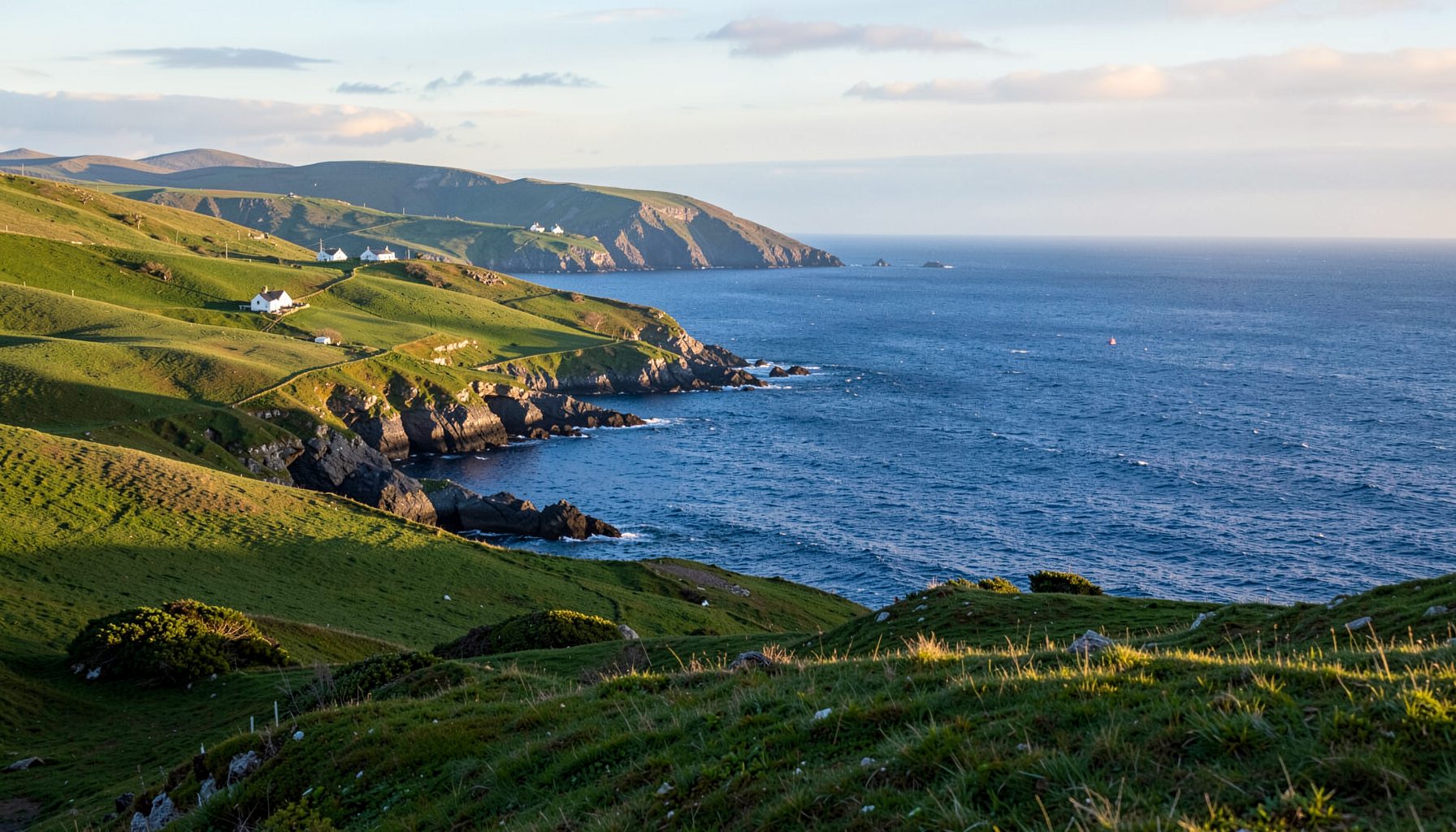
The crossing from the mainland is an important part of the Skellig Michael experience. As the boat leaves Portmagee or another departure point, passengers can see the Iveragh coastline recede and watch the two Skellig Islands become more distinct on the horizon. The approach reveals cliffs shaped by weather, waves and geological time.
Keep an eye on the water during the crossing. Gannets, puffins during the nesting season, guillemots and other seabirds may be visible around the islands. Dolphins, whales and seals are possible sightings, although no responsible operator can guarantee wildlife. Binoculars can be useful, provided they do not distract from safety instructions or the landing process.
Sea spray and motion can make the crossing uncomfortable for some people. Eat lightly before departure, take any usual motion-sickness medication according to medical advice and sit where the crew recommends. Follow instructions when moving around the vessel, particularly while approaching the landing area.
Add time on the Skellig Coast
Portmagee is a natural base for a Skellig Michael excursion, with cafés, pubs, harbour views and links to the wider coastal area. Valentia Island, Caherdaniel, Waterville and Ballinskelligs also offer ways to extend a visit through local history, scenery and community attractions. Allow enough time to enjoy these places rather than treating them solely as points of departure.
Walking is a good complement to a boat tour, especially if your landing trip is postponed by weather. The coastal landscape around the Iveragh Peninsula includes beaches, headlands, quiet roads and sections of the Kerry Way. This guide to coastal walks can help place the Skellig experience within a broader journey between Kells, Caherdaniel and the surrounding villages.
Local interpretation centres and heritage projects can add context to what you see offshore. Ask about current exhibitions, community events and seasonal opening times, since these may vary. Supporting local cafés, guides and cultural initiatives helps keep the coastal communities connected to the visitors who come to experience the region.
Plan responsibly and protect the site
Skellig Michael is a demanding destination with limited infrastructure, so responsible preparation benefits both visitors and the island. The number of people who can land is controlled to reduce pressure on the historic remains and sensitive wildlife. Follow the operator’s instructions from the harbour until the return to shore.
Keep these practical priorities in mind:
- Book an authorized landing tour early, and confirm whether your reservation includes an actual landing.
- Leave a weather buffer in your itinerary and avoid tight onward connections.
- Wear grippy footwear, waterproof layers and a small backpack that can be secured.
- Follow every conservation instruction, including rules about food, barriers, photography and wildlife.
- Choose a scenic cruise if the climb, transfer or exposed conditions are unsuitable.
Check the latest tour information, departure arrangements and weather policy before travelling to the harbour. On the day, arrive with time to park, find the meeting point and complete boarding instructions. A calm, well-prepared approach makes it easier to appreciate the crossing, the island’s heritage and the remarkable setting that has drawn sailors, monks, conservationists and visitors to the Skellig Coast for generations. Book through a licensed local operator, allow room for Atlantic weather, and make the wider coastline part of your visit.