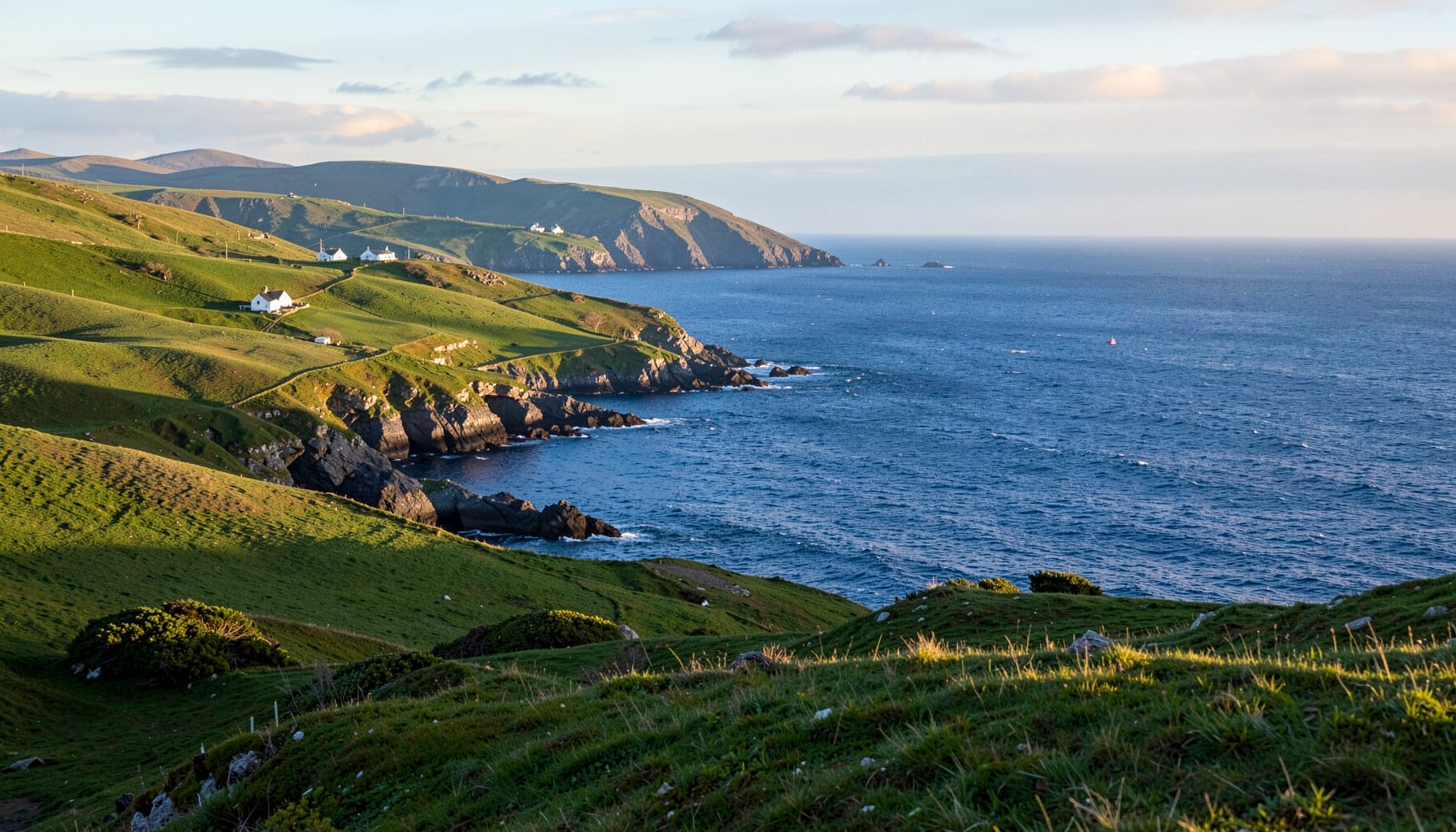
The Best Wild Camping Spots with Permission on the Iveragh Peninsula
The Iveragh Peninsula rewards campers who slow down. Between Kells, Glenbeigh, Cahersiveen, Waterville, Ballinskelligs and Castlecove, the landscape shifts from long Atlantic beaches to dark mountains, stone fields and quiet inlets. Wild camping can be memorable here, provided an overnight stay has been agreed with the landowner or arranged through a legitimate campsite.
For visitors from Australia, the main difference is legal rather than scenic. Ireland does not offer a general right to pitch a tent wherever you please. A remote-looking field may still be privately owned, used for grazing or protected because of archaeology, wildlife or water supply. Permission should be treated as part of the trip, not an optional courtesy.
The peninsula is also smaller and more intimate than many Australian camping destinations. Driving times may look short on a map, yet narrow lanes, sheep, cyclists and Atlantic weather can make a 30-kilometre journey surprisingly slow. A campsite near the next village can be more practical than a dramatic but isolated pitch.
The best approach is to find a suitable host, keep your setup compact and leave the land exactly as you found it. That makes it possible to enjoy sunrise over the Skellig Islands, a quiet evening near the coast or a night beneath the Kerry mountains without damaging the qualities that attract people here.
Choosing Permission Before You Arrive
Permission usually comes from a farmer, private landowner, established campsite or community-run outdoor provider. Ask clearly whether you may pitch a tent, where it should go, how many people are staying and whether cooking, parking and access to water are included. A friendly conversation in a village shop may point you towards a suitable contact, but do not assume that a verbal welcome for a walk includes permission to camp.
Land around the coast is often working farmland. Gates may control livestock, fields may be cut for hay and ground that looks empty may be soft, boggy or environmentally sensitive. Keep dogs under control, never block farm tracks and avoid moving livestock or climbing over walls. Dry-stone boundaries are part of the peninsula’s heritage and can be damaged easily.
A useful arrangement is a small, low-impact pitch in a sheltered corner near an occupied house or farmyard. You gain a safer place to ask about weather and road conditions, while the landowner can tell you where water runs, which gates are in use and whether cattle will be moved overnight.
Glenbeigh And Rossbeigh
Glenbeigh is a practical base for campers seeking access to Rossbeigh Strand, the Caragh Lake area and the foothills of the Seefin and Dunkerron ranges. A permission-based pitch on private ground near the village can provide better access to food, fuel and mobile coverage than a remote beachside camp. Ask about established camping areas rather than selecting a dune or beach location independently.
Rossbeigh’s broad sands are highly exposed. Atlantic winds can strengthen quickly, and a tent that feels secure at dusk may be under pressure later in the night. Camping directly on the beach or dunes without explicit permission is a poor choice because of erosion, tides, nesting birds and the risk of being cut off by water. Use the beach for walking, photography and sunset, then return to an agreed pitch.
The area suits travellers who want a gentle first night after arriving from Killarney or Tralee. It is also convenient for Australian visitors accustomed to driving from cities such as Brisbane or Melbourne to a coastal campground, although Irish roads require slower speeds and more attention than a typical highway journey.
Cahersiveen And Valentia Island
Cahersiveen makes a strong base for a permissioned overnight because it combines shops, cafés, transport links and access to some of the peninsula’s richest historical landscapes. Private fields outside town may offer calmer pitches than exposed coastal ground, while the nearby coast provides views towards Beginish, Valentia Island and the Skellig region.
Valentia Island is especially attractive for campers interested in geology, maritime history and long evening light. Arrange permission before crossing the bridge or taking the ferry, and confirm whether the pitch is accessible to your vehicle. Small island roads, stone walls and blind bends reward a compact setup rather than a large camper or trailer.
Photographers planning a visit to the Skellig coast can use this Skellig photography guide to choose viewpoints without confusing a scenic lookout with a legal camping place. Skellig Michael itself is a protected UNESCO World Heritage Site and a controlled day-visit destination; overnight camping there is not an option.
Waterville And Ballinskelligs
The Waterville and Ballinskelligs coast offers some of the peninsula’s most recognisable seascapes, with dark headlands, open bays and views towards the Skellig Islands. Permissioned camping is best arranged through an established site or a landowner with a defined area for tents. Ask whether the ground remains accessible after rain, since apparently level fields can become waterlogged.
| Area | Best suited to | Permission and access notes | Main hazards |
|---|---|---|---|
| Glenbeigh and Rossbeigh | Beach walks and a first coastal night | Use a private pitch or approved campsite near the village; do not camp on dunes without agreement | Wind, tides and soft sand |
| Cahersiveen | History, supplies and flexible itineraries | Arrange farmland permission outside town and confirm gates, parking and water | Livestock, narrow lanes and wet ground |
| Valentia Island | Geology, photography and quiet coastal views | Confirm access across the island and keep vehicles clear of local roads | Exposed weather and limited services |
| Waterville | Dark skies, sea views and walking | Choose an established pitch or named landowner; check shelter and drainage | Atlantic wind, rain and cliff edges |
| Ballinskelligs | Beaches, heritage and the Skellig coast | Stay on agreed private ground or a recognised campsite; avoid sensitive dunes | Erosion, waves and protected habitats |
| Castlecove and Caherdaniel | Sheltered bays and southern coastal scenery | Ask locally before using any field, even if it appears unused | Slippery ground, livestock and changing tides |
Australian campers may recognise the need to check fire restrictions before lighting a stove, especially during dry summer conditions. In Ireland, regulations and local instructions can vary by site, and open fires are particularly unsuitable near gorse, dry grass, woodland or peatland. A gas stove on a stable surface is easier to control, but it still requires permission where a host has site-specific rules.
Castlecove And Caherdaniel
The southern section between Castlecove and Caherdaniel has a quieter, more sheltered character than some exposed northern beaches. It includes small coves, historic sites and sections of the Kerry Way, making it appealing for walkers carrying a lightweight tent. The best overnight options are private pitches arranged in advance near existing homes, farms or recognised camping businesses.
Do not mistake an empty pull-in or a grassy verge beside the road for a camping opportunity. Coastal land may be privately owned, and roadside parking can obstruct tractors or emergency vehicles. A local host can identify a safe place away from cliffs, tidal channels and areas used for grazing.
Caherdaniel is useful for a slower itinerary because supplies and hospitality are within reach, while nearby Derrynane has significant natural and historical interest. Keep clear of fragile dunes and archaeological features, and follow signs around protected areas. A short walk to the shore is preferable to pitching beside it.
Keeping A Low-Impact Camp
The strongest permission request is easier to grant when the proposed stay is simple. A small tent, no generator, no music and no open fire creates fewer concerns for a landowner. Arrive in daylight, introduce everyone in the group and agree a departure time. If you are travelling with children, explain where they can safely move around; if you have a dog, ask specifically about livestock.
Carry all rubbish out, including food scraps, tissues and biodegradable-looking items. Use toilets provided by the site or host. Where no toilet is available, follow local guidance and use a proper trowel method well away from water, paths, buildings and cultivated ground. Never wash dishes or toiletries directly in streams, loughs or the sea.
The Australian habit of packing a compact rubbish bag, water filter and repair kit translates well here. So does checking the Bureau of Meteorology before a trip, although once in Kerry you should switch to Met Éireann forecasts and local coastal warnings. Conditions can change quickly, and an Australian-style assumption that a clear morning promises a dry night is unreliable on the Atlantic coast.
Planning A Reliable Overnight
Build flexibility into the route. A permissioned field near Cahersiveen or Waterville may be a better decision than forcing a beach camp after a day of rain. Confirm the booking or arrangement shortly before arrival, check whether the host accepts late arrivals and keep a backup campsite or guesthouse in mind. This matters during festivals, bank-holiday weekends and summer periods when Irish coastal accommodation reaches capacity.
Food planning also benefits from local knowledge. Village supermarkets and petrol stations stock essentials, but opening hours can be shorter than those in Sydney or Perth, particularly on Sundays. Buy fuel and basic supplies before heading into quieter areas, and support local cafés, farm shops and small businesses where possible. The regional market is shaped by seasonal tourism, so a little advance planning helps both visitors and residents.
Camping legislation and land access rules should be checked with the relevant local authority, national park office or landowner. Killarney National Park, heritage sites and coastal conservation areas may have separate restrictions, and signs always take priority. The fact that a location appears on a hiking map does not grant permission to camp there.
Use offline mapping, carry a charged phone and tell someone your route. Leave the tent packed until you have checked the ground for wind exposure, flooding and livestock access. If weather becomes unsafe, move to a formal campsite or indoor accommodation rather than treating a remote pitch as a test of endurance.
Choose one area of the Iveragh Peninsula and contact a suitable landowner or established campsite before setting out. Travel with a small tent, respect every local instruction and spend time in the villages that make the coast liveable year-round. With permission secured and the right preparation, a night beneath Kerry’s changing skies can become a responsible part of the journey rather than a burden on the landscape.