A guide to sea angling charters and deep-sea fishing trips
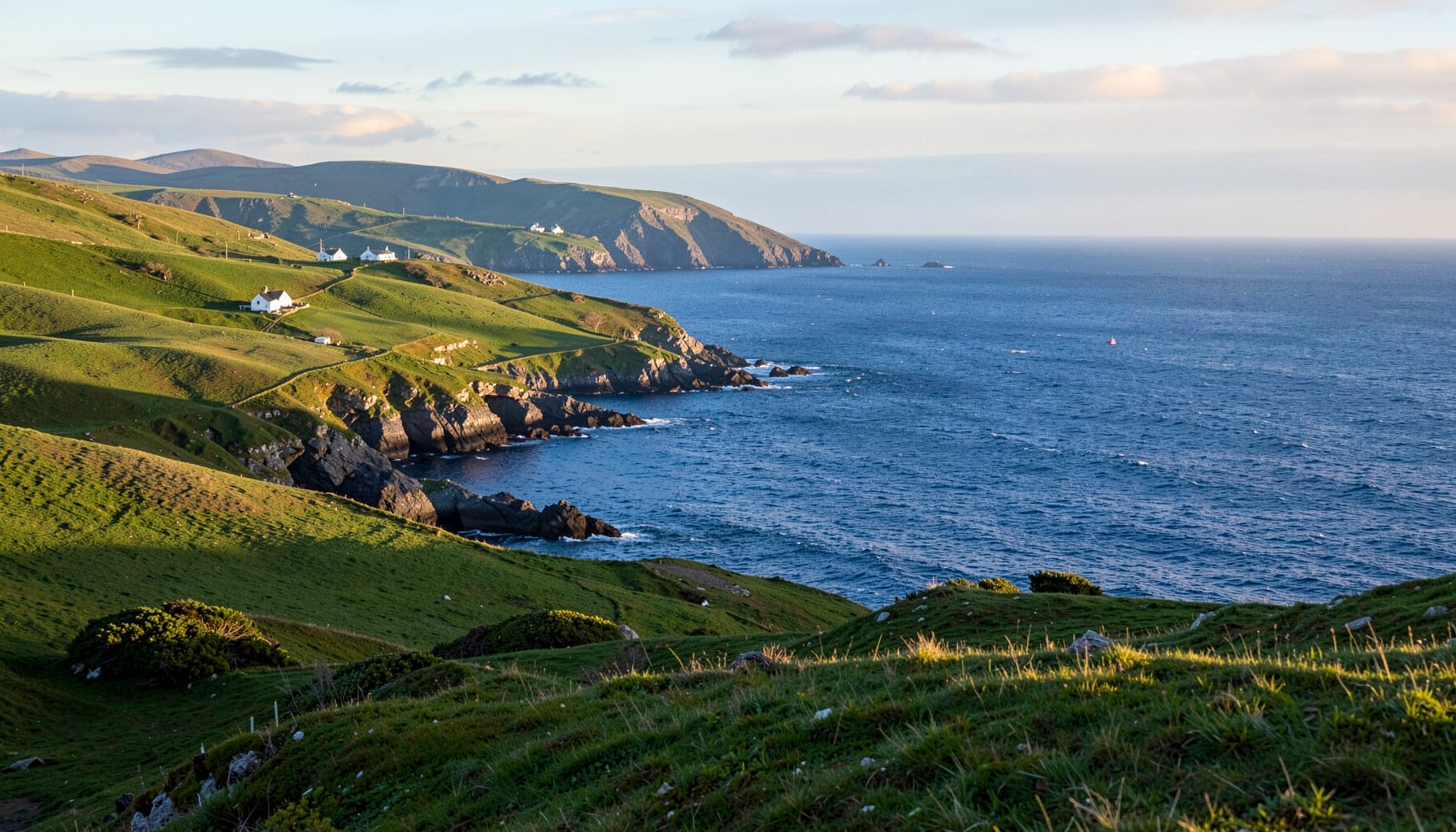
From Kells Bay and the sheltered inlets around Sneem and Castlecove to the Atlantic off Waterville, Portmagee and Dingle, the Skellig Coast gives charter anglers kelp beds, rocky ledges and deeper fishing grounds. The best trip is not simply the longest. It is the one whose boat, bait, target species, tide and weather suit the angler.
Australian visitors bring gear-handling skills and an eye for changing water. The local knowledge that matters is Irish: which harbours work in a westerly, how quickly swell rises, where fish feed at each tide stage and which rules apply. A local skipper is more valuable than recreating a familiar Australian offshore session.
Choosing a charter that matches your target
Charters divide into inshore boat trips and longer deep-water trips. An inshore trip stays near sheltered shores, working mackerel, pollock, bream, bass or flounder over kelp and ledges. A full day may venture beyond the bays to traditional grounds for hake, saithe, conger, monkfish or other bottom fish. Small boats around Waterville and Portmagee suit quick coastal fishing; larger vessels from Dingle and Kerry ports offer more range.
Choose according to motion sensitivity, swimming ability and fishing preference. A novice may enjoy a sheltered half-day with an active skipper, while an experienced angler may prefer a full day of drift fishing. Ask whether the trip is tide-led, whether trolling is included, and whether the crew supplies bait and terminal tackle. A boat unable to take beginners may simply be a specialist operation.
Charter markets around Sydney, Melbourne, Brisbane and Perth offer useful reference points because coastal tackle shops commonly stock jigs, soft plastics, squid skirts and sinking rigs. The same equipment helps here, though Irish skippers may favour local baits for colder water. Bring a rod and reel if approved, but confirm reel size, line strength and bait preferences before the trip.
What a charter day feels like
Trips often begin in darkness, with the skipper and crew checking the forecast, tide and landing options. Once afloat, they may brief the group, spread line, deploy chum or work a trolling spread. Anglers move between trolling, jigging and drift-fishing stations. The rhythm is slower than a drive to an Australian fishing lake: everyone waits for a window, watches the sounder and reacts to the skipper’s calls.
Australian anglers are used to a dawn tackle run, filling the bait board and checking fuel before a coastal drive. That habit transfers well, although Ireland shares Australia’s left-side traffic while offering unfamiliar roundabouts, narrow roads and changeable weather. Waterproof layers, a thermos and sensible food matter more than excess equipment. Those prone to seasickness should use a proven remedy, secure loose items and choose a stable seat.
Species worth asking the skipper about
Catch expectations depend on grounds, season and rules. Mackerel and pollock are common targets for moving fish, especially from late spring into autumn, while bream and sea bass can provide sheltered-water action. Bottom anglers may meet conger, monkfish, hake, saithe, cod, pouting, dogfish or skate, subject to regional measures, minimum sizes and protected status. The skipper should explain what is legal and in season before anyone fishes.
Seasonal timing can confuse visitors used to southern-hemisphere conditions. Ireland’s long summer offers more daylight and often livelier inshore fishing, but wind and swell control the calendar. Spring and autumn can be productive for different species, while winter rewards warmth and careful boat choice. Ask about recent catches, not only a theoretical species list; a realistic target is better than expecting a full box.
Understanding deep-water and deep-sea trips
Deep-sea fishing needs care in Irish waters. Most accessible Kerry grounds lie over the continental shelf, so charters normally offer deep-water fishing at moderate depths rather than true pelagic expeditions. Some operators use deep-sea for grounds beyond sheltered ledges. It is useful shorthand, but it does not guarantee giant specimens. The skipper should state maximum depth, distance and bottom type.
At deeper stations, the technique often changes from casting light jigs to deploying heavier rigs and baits, then drifting over suitable bottom. Hake may be targeted with specific baits, conger with stronger tackle, and saithe or cod with feeder or boat rigs. Ask whether the vessel uses electric reels, conventional reels or hand-lining for particular species. Heavy gear can be dangerous on a rolling deck without closed-toe footwear, sound releases and clear instruction.
Responsible practice matters because operators work with Irish conservation rules and marine-area protections. The skipper should explain how undersized fish, protected species and incidental catches are handled. In Australia, state and territory authorities set many bag limits, minimum sizes, gear restrictions and closures, with Commonwealth rules in some marine parks. Irish rules are separate, so assumptions from home should not cross the Irish Sea.
Prices, bookings and what to bring
Quotes vary because some trips use a small boat for coastal fishing while others reserve a large vessel for a full day. Establish whether a price is per angler or for the whole boat, and ask what it includes: bait, rods, terminal tackle, fuel, safety equipment and landing fees. A quote with fewer inclusions may offer better value than a higher headline price. Check cancellation terms before weather or minimum group numbers affect the booking.
Small Kerry operators may work through direct enquiries, repeat customers and local networks rather than a large online marketplace. Australian visitors accustomed to comparing domestic trips should still read the terms closely. Confirm whether a deposit is required, how it is refunded, whether payment is in euros, and what happens if the skipper cancels for safety. Clear arrangements protect both parties when a forecast changes.
Pack light but prepare for wind, spray and temperature changes. Waterproof outerwear, layers, a hat, polarized glasses, sunscreen and non-slip boots are sensible; medication, water, snacks and a waterproof phone pouch fit in a small day bag. Bring tackle only after confirming what the skipper expects. A hard suitcase is awkward below deck, and unfamiliar terminal tackle can be unsafe when the boat is working at speed.
Weather, tides and coastal wildlife
The Atlantic can look calm in a sheltered bay and still produce confused swell beyond the headland. Wind direction, tide phase, sea state and the skipper’s local knowledge matter more than a bright forecast symbol. Check Met Éireann and the marine forecast before departure, then leave time for an operator’s final call. A reputable skipper should not be pressured into leaving to protect a holiday schedule.
The Skellig coast is also a working wildlife landscape. Dolphins, seals and seasonal seabird movements shape safe procedures around headlands and the stacks. A land visitor can compare birdwatching around Waterville, which points toward estuaries, coastal paths and viewpoints that reveal the scenery’s scale. It is a useful reminder that a charter shares the environment with wildlife.
Skellig Michael’s UNESCO World Heritage status does not make every surrounding vessel illegal, but landing on the island, climbing and disturbing nesting birds are prohibited or tightly controlled. Operators should know conservation zones, seasonal restrictions and appropriate routes. Ask how the boat will avoid sensitive ledges without compromising navigation, and never approach closer simply because the stacks look accessible.
A responsible angler’s checklist
Before paying a deposit, ask whether the skipper is licensed, insured and operating a seaworthy boat with lifejackets, radio, first-aid kit, flares and navigation equipment. Request the float plan, emergency contacts, group limits, age restrictions, capsize procedure and proof of relevant fishing permissions. The skipper should know how passenger-vessel safety and Irish fishing regulations apply.
Tackle and bait also cross a border. Australian anglers may be accustomed to bringing prawns or live bait, but live animals and unapproved organic material can be subject to Irish biosecurity controls. Arrive with packed, legal bait unless the operator approves otherwise, and dispose of unused bait responsibly. Follow the skipper’s guidance, since prohibited material can create a legal problem.
Show ordinary courtesy around local quays and private land. Use the agreed landing, keep walkways clear and take rubbish back to the harbour. Working boats, tourism and local services share this coast. A charter that respects crews, residents and wildlife is more likely to deliver the considered experience first-time visitors remember.
When the tide, target and experience align, contact licensed Skellig Coast or Kerry charter operators and request the full itinerary, target species, total price, tackle requirements, safety arrangements and weather policy. Give the skipper an honest account of your experience, mobility and preferred method so the boat and fishing plan can be matched properly.
Confirm the landing point and departure time close to departure, carry the operator’s recommended clothing and documents, and remain flexible if the Atlantic dictates a change. Book with a skipper who knows the coast, support the local community and leave the quay ready for the tide.