The Best Spots for Birdwatching Around Waterville
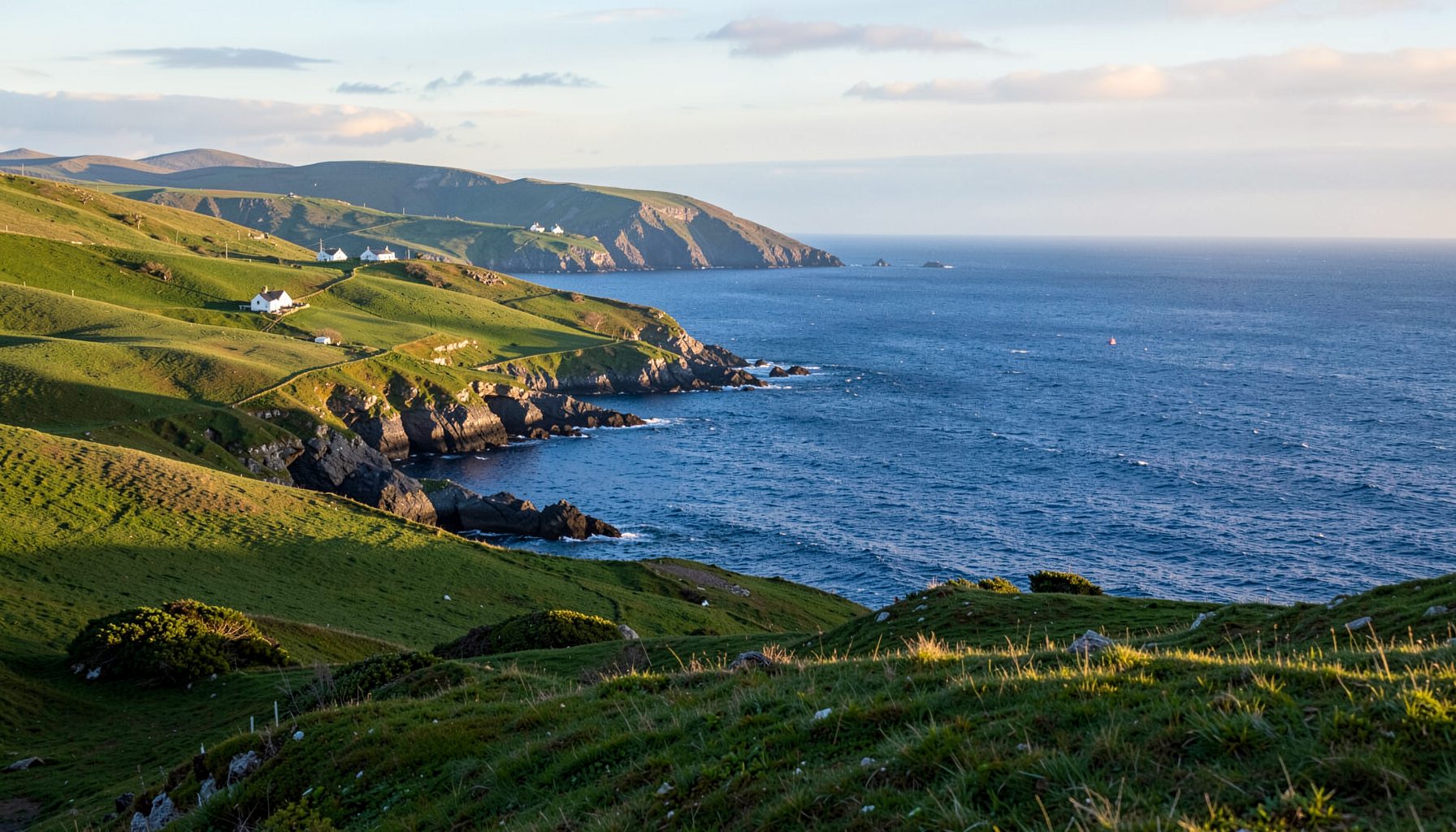
Waterville sits between the Atlantic and the lakes, mountains and coastal habitats of the Iveragh Peninsula. This varied landscape makes the area rewarding for birdwatchers who enjoy changing scenery as much as adding species to a list. A short outing can include seabirds over the bay, waders along a tidal shore, woodland birds in sheltered valleys and waterfowl on freshwater.
The region is especially appealing because birdwatching does not depend on a single reserve or formal hide. Roads, beaches, lake edges and public viewpoints provide access to several habitats, although visitors should always remain on public paths, respect private property and avoid disturbing nesting birds. Binoculars are useful everywhere, while a telescope can make a major difference on open water and distant shorelines.
Weather shapes every visit. Calm mornings may reveal birds feeding close to the shore, while a fresh westerly wind can bring seabirds into view from headlands and beaches. Spring and autumn migration add variety, but winter can be particularly productive for ducks, divers, waders and gulls.
Waterville Shore And Promenade
The shoreline around Waterville is an easy place to begin. From the promenade and accessible sections of the coast, look across Ballinskelligs Bay for gannets, fulmars, cormorants, shags and passing gulls. In summer, the open water may appear quiet until a feeding group or a line of seabirds catches the light beyond the breakers.
The rocky edges and sandy stretches close to town can hold turnstones, oystercatchers and wagtails. At low tide, exposed rocks and pools become feeding areas for birds searching for limpets, small crabs and marine invertebrates. Scan slowly rather than focusing only on the horizon; birds often blend into the dark rocks.
Early morning usually offers the calmest conditions and least pedestrian activity. A telescope should be positioned well back from the shore, especially when watching birds resting on rocks. Avoid approaching flocks, and keep dogs under close control where birds are feeding or roosting.
Lough Currane And Its Inlets
Lough Currane is one of the defining natural features near Waterville. Its broad surface, islands, reed-fringed margins and surrounding hills create opportunities for observing waterfowl and birds of prey. Depending on the season and weather, watch for mallards, mute swans, little grebes, cormorants and grey herons around quieter edges.
The lake is large, so a viewpoint with a clear line across the water is valuable. A telescope can help distinguish distant ducks and identify birds using islands or sheltered bays. Check the waterline for kingfishers in suitable habitat, though they are quick and easily missed, and listen for woodland species in the vegetation behind the shore.
Lough Currane is also a useful place to practise habitat-based observation. Instead of scanning randomly, divide the view into open water, shoreline, reeds, islands and hillside. Each zone attracts different species, and repeated visits will reveal how water levels, wind and seasonal movement affect bird activity.
Derrynane And The Coastal Headlands
The coast south of Waterville offers a mixture of beaches, dunes, rocky shore and headland habitat. Derrynane is particularly interesting because its sheltered areas can support waders and shorebirds, while exposed points give wide views over the Atlantic. Curlews, oystercatchers, ringed plovers and sandpipers may occur along suitable shorelines, with gulls and cormorants around the rocks.
Birdwatching here works best when the tide is considered in advance. An incoming tide can push waders toward the upper beach and narrow areas of remaining mud or sand, bringing them closer to observation points. At high tide, look for resting birds on rocks and grassy margins rather than expecting active feeding.
Derrynane also connects wildlife observation with the cultural character of the peninsula. A visit can include the story of Daniel O’Connell’s Derrynane, whose home and legacy form an important part of the area’s heritage. Keep heritage grounds, dunes and nesting areas peaceful, since quiet observation benefits both wildlife and other visitors.
| Location | Habitats To Explore | Birds To Look For | Best Conditions |
|---|---|---|---|
| Waterville shoreline | Rocky coast, beach and open bay | Gannets, fulmars, cormorants, shags, gulls, turnstones | Calm mornings or moderate onshore winds |
| Lough Currane | Freshwater, islands, reeds and lake margins | Ducks, swans, grebes, herons, cormorants and woodland birds | Still weather with clear visibility |
| Derrynane coast | Beach, dunes, rocks and headlands | Oystercatchers, curlews, plovers, sandpipers and gulls | Changing tide, especially incoming tide |
| Ballinskelligs Bay | Open sea, sandy shore and coastal grassland | Seabirds, waders, terns and wagtails | Migration periods and clear coastal weather |
| Catherdaniel and Castlecove area | Sheltered coves, hedgerows and woodland edges | Robins, stonechats, wheatears, warblers and raptors | Early morning with light wind |
| Rural roads near Waterville | Fields, stone walls, bogland and hedgerows | Kestrels, buzzards, meadow pipits, thrushes and finches | Bright weather after rain |
Ballinskelligs Bay And The Western Coast
Ballinskelligs Bay gives birdwatchers a broad coastal outlook, with beaches and headlands that expose different sides of Atlantic birdlife. Seabirds can pass offshore throughout the year, while migration periods may bring terns, waders and other travellers to the shoreline. The precise species mix changes with wind direction, tide and sea conditions.
Sandy beaches should be checked methodically. Walk the upper strand with care and scan the waterline, where small waders may feed among seaweed and debris. Distant flocks can look like scattered stones, so observing movement, posture and flight patterns is often more useful than relying on colour alone.
Some sections of the bay are exposed to strong surf and can become hazardous in poor weather. Choose a stable viewpoint, keep away from cliff edges and avoid entering dunes or fenced areas. Coastal grassland may hold wheatears, meadow pipits and stonechats, particularly during spring and autumn.
Catherdaniel, Castlecove And Quiet Lanes
The quieter roads and settlements between Catherdaniel and Castlecove are worth exploring for people who enjoy small birds and everyday countryside wildlife. Hedgerows, gardens, stone walls and patches of woodland offer shelter and food for robins, wrens, blackbirds, thrushes, finches and tits. In summer, listen for warblers in dense vegetation rather than expecting them to sit in the open.
Open fields and rough grassland bring a different set of possibilities. Kestrels may hover over verges, while buzzards can be seen circling above hillsides. Meadow pipits, wheatears and stonechats favour exposed ground and fence lines. A pause at a safe pull-in can be more productive than a long drive, particularly when the wind is light.
These are working and residential landscapes, not unrestricted birding sites. Do not block gateways, enter farmland without permission or park on narrow bends. A quiet walk along a public road, using binoculars from a safe position, allows close attention to bird behaviour without placing pressure on local communities.
Seasonal Highlights And Responsible Observation
Spring brings returning migrants, active songbirds and increasing seabird movement. Summer is a good time for coastal observation, although nesting birds require extra space and care. Autumn can produce visible migration along the coast, especially when weather systems concentrate birds near headlands. Winter offers better views through leafless vegetation and may bring ducks, divers and waders into sheltered waters.
The best local birdwatching routine is simple: check the forecast, consult tide times, carry waterproof clothing and allow more time than expected. A notebook or phone recording can help track locations and dates, but identification should come before photography. Never use playback near nesting birds or repeatedly approach a bird for a closer image.
A few habits make visits safer and more rewarding:
- Start at a shoreline or lake viewpoint before moving into smaller habitats.
- Carry binoculars, a field guide and a waterproof notebook or phone.
- Use the tide to plan visits to beaches, rocky shores and estuaries.
- Keep a respectful distance from roosting, feeding and nesting birds.
- Record unusual sightings carefully and share them through appropriate local or national recording schemes.
Making A Day Of Birdwatching
Waterville works well as a base for a full day of varied observation. Begin with the promenade or Ballinskelligs Bay, continue toward a lake viewpoint around Lough Currane, and finish with a sheltered coastal walk near Derrynane, Catherdaniel or Castlecove. The route should be adapted to weather, access and the amount of time available rather than treated as a fixed itinerary.
Take breaks to identify calls, note the direction of flight and compare habitats. A bird seen only briefly over the sea may be easier to recognise after considering its size, wing shape, flight rhythm and behaviour. Local knowledge from community information sources can also help visitors understand access arrangements, heritage sensitivities and seasonal conditions.
Birdwatching in the Waterville area is rewarding precisely because it remains connected to the wider landscape. The strongest experiences may include a familiar robin in a village garden, a kestrel over a field, or a distant gannet crossing the bay. Patience turns ordinary viewpoints into places of discovery.
Bring your binoculars, choose a public viewpoint and spend time looking closely at the coast, lake and countryside around Waterville. Share sightings responsibly, support the communities you visit and return in another season to see how the birdlife changes.