A Summer Guide to Iveragh’s Community Festivals
Summer on the Iveragh Peninsula is shaped by community rather than by a single major event. From Kells and Glenbeigh to Cahersiveen, Waterville, Valentia Island and Castlecove, local calendars fill with music, sports, heritage days, craft markets and village gatherings. These occasions offer a relaxed way to experience the southwest Kerry landscape while meeting the people who live there year-round.
Dates and programmes can change, so visitors should check local notices, community websites and social media before setting out. A festival may be spread across several venues, with an afternoon market followed by a concert, a walking event or an evening session in a small pub. The most memorable experiences often come from allowing extra time between organised activities.
The Shape Of The Summer Calendar
Many Iveragh events are organised by voluntary committees, arts groups, sports clubs, schools and parish communities. That gives each festival a distinct character. One village might focus on traditional music, another on boats and the sea, while a third builds its programme around family games, local history or fundraising for community facilities.
Killorglin’s Puck Fair, held annually in early August, is one of the region’s best-known traditional celebrations. Its unusual crowning ceremony, parades, live music and busy streets attract visitors from across Ireland and beyond. The event is lively and popular, so accommodation, parking and dining should be arranged well ahead of time.
Further west, Cahersiveen and its surrounding communities often host summer arts, music and heritage activities. Smaller events may be advertised only a few weeks in advance, especially when they depend on volunteer availability or weather. Local noticeboards, libraries, cafés and visitor information points remain valuable sources of information.
Music, Arts And Local Talent
Live music is central to summer in Iveragh. Traditional Irish sessions can appear in pubs and halls, while village festivals may include choirs, sean-nós singing, contemporary bands, theatre, poetry and workshops for children. Some performances are ticketed, but many community concerts work through a modest door charge or donation.
Cahersiveen, Sneem, Waterville and Valentia Island regularly provide settings for exhibitions and cultural programmes. These may involve local painters, photographers, craftspeople and musicians alongside visiting performers. A festival programme is often a useful way to discover creative work that would be easy to miss during a quick drive around the peninsula.
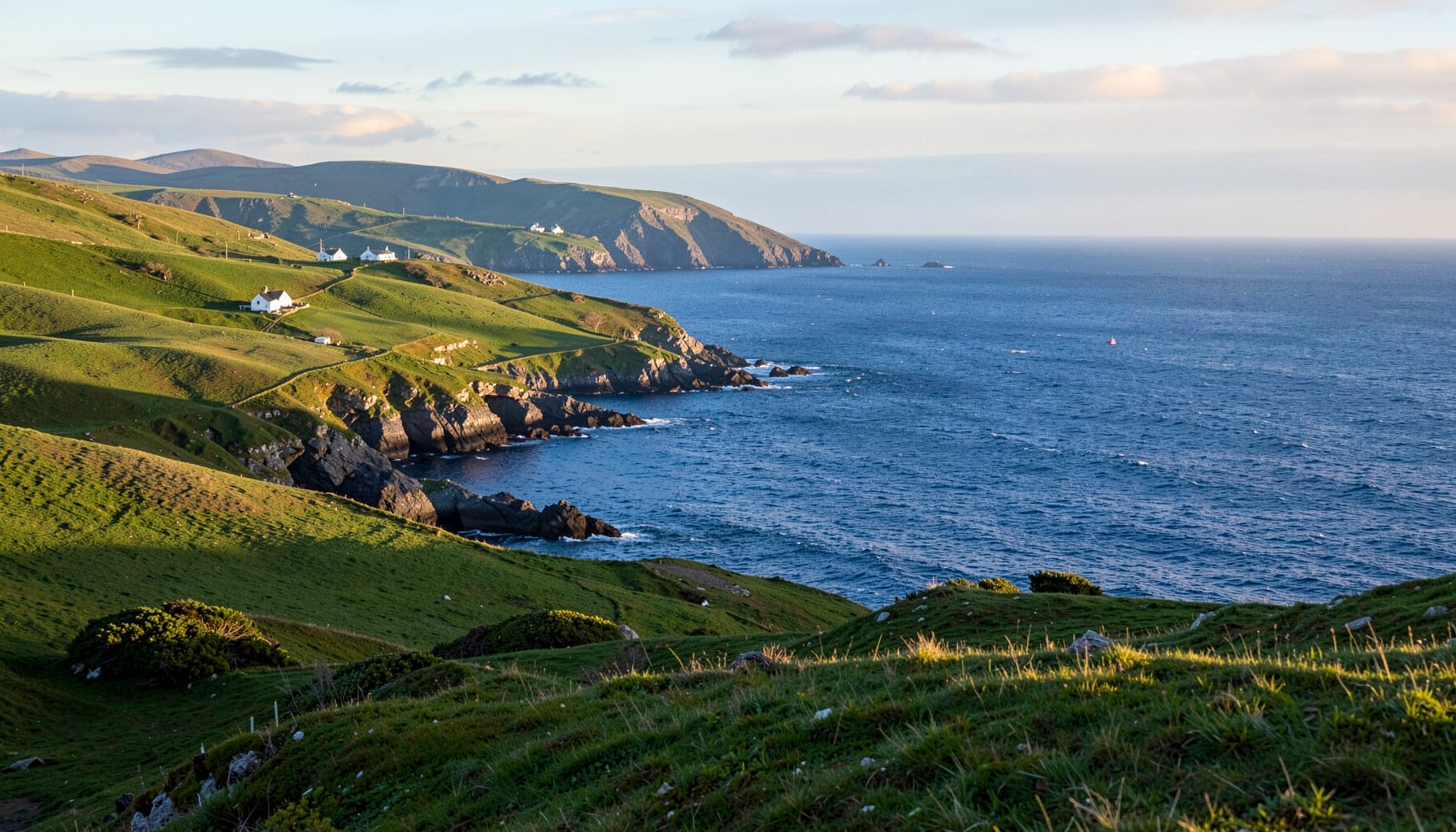
The summer arts scene also reflects the area’s strong connection with landscape. A gallery display might draw on the Atlantic coast, island life or archaeological sites, while a performance may take place in a restored hall, beside a harbour or in an open village space. For visitors arriving from Sydney or Melbourne, the scale can feel intimate: audiences and performers are often only a few steps apart.
Markets, Food And Working Landscapes
Community markets are a practical and enjoyable part of the seasonal calendar. Depending on the location, stalls may offer baking, preserves, vegetables, handmade soap, textiles, jewellery, photography and locally produced food. They are places to buy a useful gift, but they also show how small enterprises and community organisations support one another.
Local food is closely tied to the peninsula’s farms, fisheries and gardens. Look for seafood, farmhouse products, soda bread, jams and seasonal produce, while remembering that opening hours can be limited outside festival periods. Someone interested in the area’s land-based traditions may enjoy this local beekeeper story, which gives a personal perspective on working with nature in Iveragh.
Australian visitors may recognise the easy social rhythm of a weekend market, whether they are used to farmers’ markets in Brisbane, Melbourne laneways or community stalls in regional New South Wales. The difference is often the scale and setting: an Iveragh market might take place beside a church, harbour or village green, with the surrounding hills and Atlantic weather forming part of the experience.
Sea Days, Sport And Outdoor Events
The peninsula’s summer programme naturally extends outdoors. Regattas, rowing displays, angling competitions, sailing events, swimming activities, walking groups and Gaelic games can all feature in local celebrations. Valentia Island and other coastal communities have a particularly strong relationship with the sea, while inland villages use playing fields, trails and public spaces for sports days and family events.
Outdoor activities require flexibility. A bright morning can become wet and windy by afternoon, and sea conditions may affect boat trips or coastal programmes. Bring waterproof layers, sturdy footwear and sun protection rather than relying on a single forecast. The long daylight hours make it possible to combine a morning walk with an afternoon festival, although narrow roads and slow scenic routes require realistic travel times.
Many events welcome spectators without demanding specialist knowledge. A local match, rowing event or community walk can be a better way to understand village life than a formal attraction. Follow instructions from organisers, keep clear of working harbours and avoid blocking access for residents, emergency vehicles or farm traffic.
Heritage In And Around Festival Towns
Summer celebrations often provide a gateway to Iveragh’s history. Cahersiveen is associated with Daniel O’Connell and the nearby stone fort at Cahergall, while Valentia Island carries stories of transatlantic communication, geology and maritime travel. Ancient stone structures, ruined churches, ring forts and old roads appear across the peninsula, sometimes close to modern communities.
Skellig Michael remains the region’s most internationally recognised heritage site. The UNESCO World Heritage Site is famous for its early monastic settlement and its appearance in Star Wars films, but access is carefully controlled and dependent on sea conditions. Boat trips around the Skelligs can provide an alternative when landing places are unavailable. Visitors should never assume that a festival visit guarantees access to the island.
Respect for heritage is part of enjoying these places. Do not climb fragile walls, remove stones, fly drones near protected sites or leave food and rubbish behind. Ireland’s heritage protections and local access rules apply to visitors, and some locations are on private land. A community event is an invitation to participate, not permission to enter every field or archaeological site.
Making A Visit Work From Australia
Long-distance planning matters for Australians travelling from Perth, Adelaide, Canberra or other cities. Iveragh is not a compact resort zone, and public transport between smaller villages can be limited. A hire car offers flexibility, but drivers should allow for narrow roads, left-side traffic, walkers, cyclists and farm vehicles. The journey from Dublin or Cork takes time, so a night near the peninsula can be worthwhile before a busy festival weekend.
Everyday habits also differ slightly. Contactless payment and cards are widely accepted, though small events may prefer cash or have limited mobile reception. Australians accustomed to checking event updates during a coffee stop should download essential information in advance, particularly when travelling through remote areas. Festival food stalls may finish early, and dinner bookings are sensible in popular coastal towns.
When paying deposits for tours, tickets or accommodation, remember that Australian Consumer Law generally applies to purchases made in Australia, not automatically to services booked directly in Ireland. Read the supplier’s cancellation terms and check whether weather-related changes are covered. Travel insurance can be important for boat trips, outdoor activities and delayed connections.
Keeping Events Welcoming And Reliable
Community festivals depend on accurate information. Dates, venues, transport details and accessibility notes should be updated promptly, especially when a programme changes because of weather. Organisers working with volunteers can benefit from clear pages, consistent contact details and a straightforward way to verify information; a useful website checking method can support that practical task.
Visitors also help events run smoothly by following local guidance. Arrive early for popular performances, park only in designated areas, carry reusable water bottles and take rubbish with you. Ireland has a legal drinking age of 18, and normal licensing rules apply at festival bars. Families should check whether an event is all-ages, while anyone cycling or driving after drinking should make arrangements before the evening begins.
The best approach is respectful curiosity. Buy from local stalls, thank volunteers, support a community fundraiser and speak with residents without treating the village as a backdrop. A summer gathering may be modest compared with a large Australian city festival, yet its value lies in the relationships, skills and local stories it keeps visible.
Use the Skellig Coast community information to track dates, venues and seasonal updates, then leave room in your itinerary for an unexpected market, session or village event. Spend time in the communities between the major sights, support local organisers and experience Iveragh at the pace of the people who call it home.