The Life of a Local Beekeeper on the Iveragh Peninsula
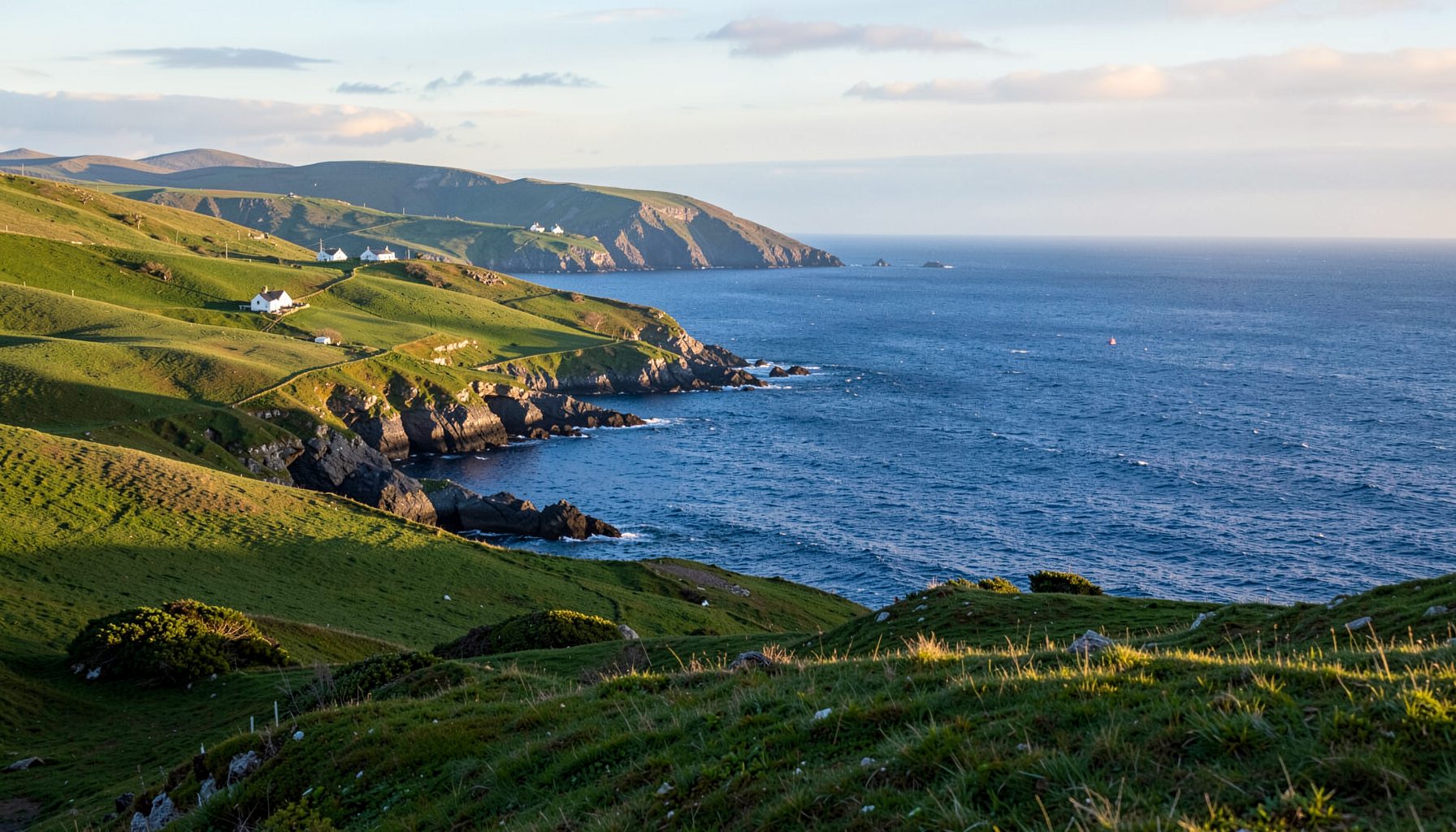
A beekeeper on the Iveragh Peninsula works with the seasons, the weather and the landscape. From sheltered gardens near Cahersiveen to upland ground around Waterville, honey bees follow a changing succession of flowers shaped by Atlantic rain, mild winters, stone walls, bogland and coastal pasture. The work is practical, patient and closely connected to local ecology.
Beekeeping here is rarely a simple matter of placing a hive in a field and collecting honey later. A colony needs regular attention throughout the year, while the beekeeper must understand bee behaviour, forage availability, disease risks and the effects of wind and wet weather. Each apiary has its own character, influenced by altitude, exposure and nearby flowering plants.
The result is a way of life that links food production with conservation and community knowledge. Local beekeepers contribute to pollination, maintain an old rural skill and offer a distinctive perspective on the natural heritage of the Skellig Coast.
A Year Shaped By Atlantic Weather
The beekeeping calendar begins in winter, even though the hives may appear quiet. Bees cluster together to conserve heat, feeding on stores gathered during the previous season. The beekeeper checks the apiary from outside, watching for storm damage, fallen branches, damp conditions or signs that a hive has been disturbed. On the exposed Iveragh coast, choosing a sheltered position is especially important.
As daylight lengthens, the queen gradually increases egg laying. Worker bees begin raising more young, and the colony’s food requirements rise. Early blossom from willow, blackthorn, gorse and garden plants can provide useful pollen and nectar. A beekeeper may inspect a hive on a calm, mild day, but opening it in cold rain or strong wind can chill the brood and unsettle the colony.
Spring brings rapid change. A small colony can become crowded within weeks, particularly when weather conditions allow bees to forage consistently. The beekeeper looks for healthy brood, adequate stores and enough space for the expanding population. Swarming is a natural method of colony reproduction, but it can reduce honey production and send a large group of bees away from the apiary.
Reading The Peninsula’s Forage
The Iveragh Peninsula offers a varied forage map. Bees may work dandelion, willow, bramble, clover, ivy and flowering hedgerows, while heather becomes particularly significant later in the summer. Bell heather and ling heather can grow across upland and moorland habitats, producing nectar during a period when other sources are beginning to fade.
The quality and quantity of forage change from one valley to the next. A hive close to a sheltered village may benefit from gardens, orchards and flowering margins. Another near open mountain land may depend more heavily on heather and scattered wild plants. A beekeeper learns to observe bloom times, follow weather patterns and identify gaps when colonies may need additional care.
Heather honey is valued for its strong flavour and distinctive texture, but harvesting it can be demanding. Heather nectar is not always easy to extract by conventional methods because the honey can be thixotropic, meaning it becomes more fluid when agitated. Some beekeepers use a special heather honey press, while others manage the crop with careful timing and equipment.
Inside The Apiary
A typical apiary contains several hives positioned on stands above the ground, often with entrances facing away from prevailing winds. A hedge, wall or line of trees can provide shelter, although excessive shade and dampness are undesirable. The site must also offer safe access for the beekeeper and enough distance from paths, houses and livestock.
Hive inspections are carried out methodically. The beekeeper uses a smoker to calm the bees, lifts frames one at a time and checks the brood pattern, food stores, queen cells and signs of disease. The aim is not to interfere unnecessarily. Every inspection takes energy from the colony and can disrupt its rhythm, so experienced beekeepers make each visit purposeful.
Protective clothing helps, but calm handling matters just as much. Bees respond to sudden movement, vibration and crushed insects. A quiet approach, gentle frame handling and an understanding of bee communication reduce stress for both colony and beekeeper. Over time, the sound and movement of a healthy hive become familiar indicators of its condition.
Seasonal Work And Honey Harvesting
Summer is the busiest period. The beekeeper may add supers, control swarming, replace damaged equipment and monitor the colony during the main nectar flow. On good days, the apiary becomes intensely active, with foraging bees returning heavily laden with pollen and nectar. On wet or windy days, activity can stop almost completely.
Honey is harvested only when the bees have enough stores for themselves and the combs are properly ripened. Sealed honey has a lower water content and is less likely to ferment. Frames are removed carefully, cleared of bees and taken to a clean processing area. The wax cappings are cut or scraped away before the honey is extracted, filtered and stored in jars.
A small local producer may sell honey directly through a farm shop, community market or local network. Labelling and food hygiene are important, particularly when honey is marketed as a regional product. The character of the honey can vary from light and floral to dark, rich and aromatic, depending on the dominant flowers visited by the bees.
| Part of the year | Main colony activity | Typical beekeeper priorities |
|---|---|---|
| Winter | Bees remain clustered and consume stored food | Protect hives from storms, damp and disturbance |
| Early spring | Brood rearing increases | Check stores, assess colony strength and prepare equipment |
| Late spring | Colonies expand quickly | Manage space, monitor queen cells and reduce swarming risk |
| Summer | Foraging and honey production peak | Add supers, inspect regularly and protect against pests |
| Late summer | Heather and late forage may support colonies | Assess honey stores and prepare for the end of the season |
| Autumn | Brood rearing declines | Harvest responsibly, treat for disease where appropriate and secure hives |
| Late autumn | Colonies settle for winter | Check entrances, roofs, stands and protection from weather |
Protecting Bee Health
Keeping bees involves constant attention to parasites and disease. Varroa destructor is a major concern because the mite weakens bees and can transmit viruses. Monitoring levels and using approved treatments at suitable times are important parts of responsible hive management. A beekeeper also watches for foulbrood, nosema and other signs of colony stress.
Biosecurity matters between apiaries. Tools, gloves, clothing and spare equipment can carry infection if they are not cleaned appropriately. Beekeepers should obtain colonies from reputable sources, avoid moving hives unnecessarily and seek advice when a colony appears abnormal. In Ireland, local associations and experienced mentors can provide practical guidance on inspection and disease recognition.
Healthy bees need more than medication. They benefit from varied forage, clean water, sound equipment and a manageable level of disturbance. Planting native and bee-friendly flowers, allowing some garden areas to bloom and maintaining hedgerows can support both managed honey bees and wild pollinators such as bumblebees and solitary bees.
A Skill Shared Through Community
Beekeeping is often learned through a combination of study, observation and practical experience. Books and courses explain bee biology, hive design and seasonal management, but a new beekeeper learns quickly that local conditions matter. Advice from someone who has worked hives through Iveragh’s wet springs and windy autumns can be invaluable.
Community groups, agricultural networks, schools and learning hubs can all help pass on this knowledge. A demonstration hive or pollinator project gives people a chance to see how a colony is organised without disturbing a working apiary. It can also open conversations about biodiversity, food systems and the importance of flowering habitats.
A beekeeper’s relationship with place extends beyond the hive. Walking the same lanes and fields throughout the year reveals which plants flower first, where shelter is strongest and how land management affects insects. Local knowledge accumulates slowly, through weather records, flowering observations and the successes and failures of each season.
Practical Ways To Support Local Pollinators
Residents and visitors can contribute to bee health without keeping hives themselves. Small changes in gardens, community spaces and roadside planting can create more continuous forage across the year. The most useful approach is to provide a range of flowers, avoid unnecessary pesticide use and leave some natural areas undisturbed.
- Plant flowering species that provide nectar and pollen from early spring through autumn.
- Keep hedgerows, dandelions, clover and ivy where they can grow safely.
- Avoid spraying insecticides on open flowers, especially during periods of bee activity.
- Provide a shallow source of clean water with stones or landing places for insects.
- Buy local honey responsibly and learn about the producer’s approach to bee welfare.
On the Skellig Coast, these actions fit naturally with wider efforts to care for the landscape. Pollinator-friendly planting can support gardens, school grounds, walking routes and community projects while adding colour and seasonal interest. It also helps create habitat for native insects, whose needs are different from those of managed honey bee colonies.
The local beekeeper stands at the centre of this seasonal story, but the wider community has a role too. Farmers, gardeners, landowners, residents and visitors all influence the quality of forage available across the peninsula. Protecting flowering margins and respecting working apiaries are simple ways to support the living landscape.
A visit to the Skellig Coast offers more than dramatic views and historic sites. Look closely at the hedgerows, gardens and open hills, and there is another story unfolding in the movement of pollinators between flowers. Explore Skellig Coast for local community information, heritage, outdoor programmes and the people who help keep the Iveragh Peninsula connected to its land and traditions.