The Story Of Derrynane Beach And Its Hidden Caves
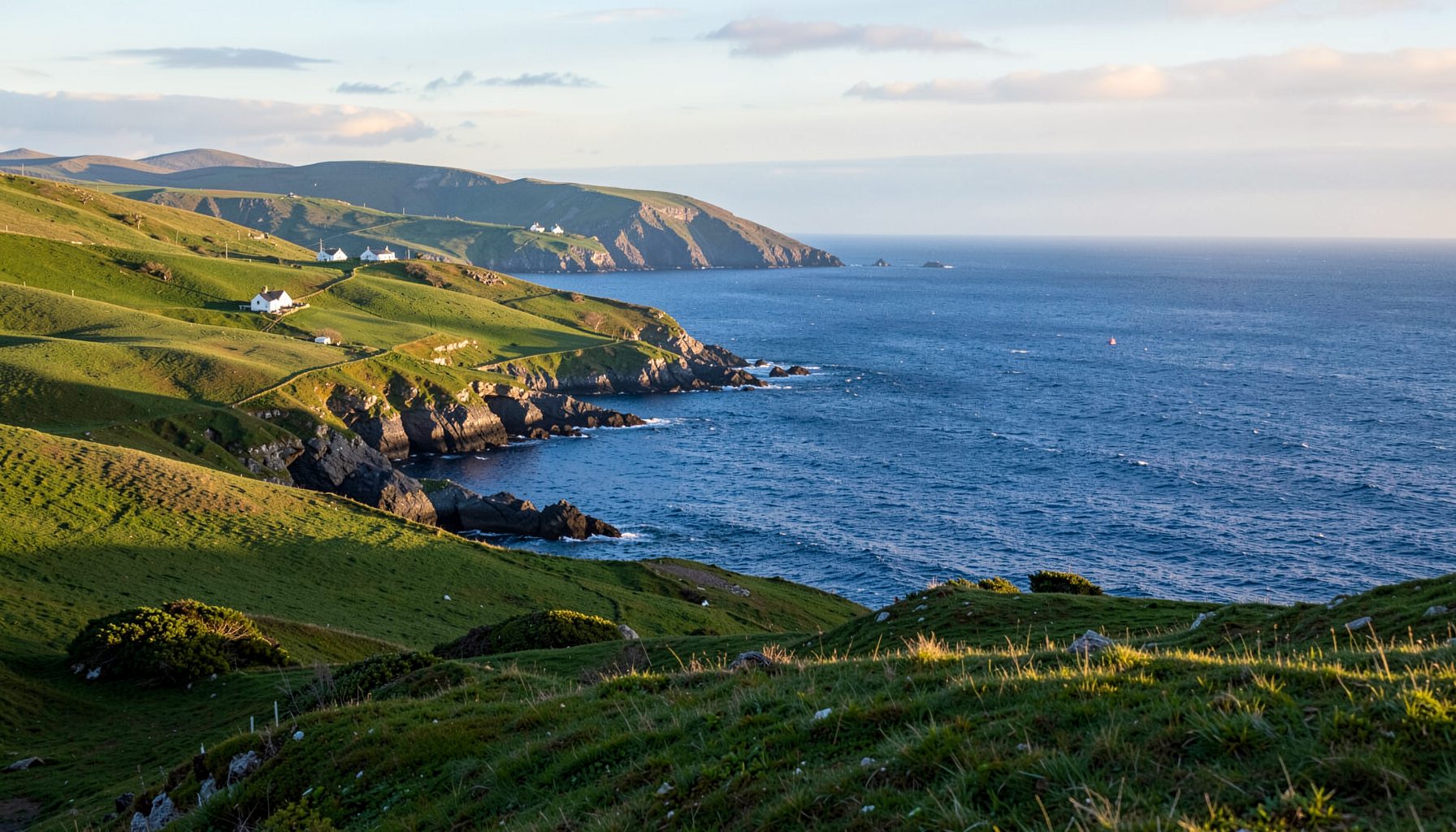
Derrynane Beach is one of the most memorable shores on the Iveragh Peninsula. Its pale sand, clear water and shelter from the open Atlantic create a calm first impression, yet the landscape holds layers of history. This is a place shaped by tides, storms, farming, seafaring and the long relationship between local communities and the sea.
The beach lies near Derrynane House, the former home of Daniel O’Connell, and forms part of a wider cultural landscape that includes Abbey Island, coastal paths and rocky headlands. At low water, the shoreline reveals details that are easy to miss from the main access point: sea-worn ledges, small inlets and dark openings where the rock has been worked by waves.
The caves around Derrynane are modest in scale compared with famous show caves, but their character comes from their setting. They are tidal spaces rather than visitor attractions with fixed opening hours. Their appearance changes with weather, daylight and the movement of the Atlantic, making careful observation more rewarding than hurried exploration.
A Shoreline Shaped By Stone And Sea
The geology around Derrynane is part of the rugged coastal structure of the Iveragh Peninsula. Hard rock resists the sea for centuries, while cracks, softer seams and natural joints allow waves to widen narrow passages. During storms, water is driven into these weaknesses with considerable force. Over time, a cleft may become a shallow recess, and a recess may develop into a small sea cave.
These formations are constantly changing. Pebbles and sand are carried into the hollows, then removed by the next strong tide. A cave that looks spacious in calm summer weather may be reached by breaking water after a period of Atlantic swell. The sound inside can also be deceptive: a quiet entrance does not mean that the water beyond it is safe.
The beach itself is part of this active system. Sand may build up across one section of the shore while exposed rock appears elsewhere. Seaweed lines mark recent high tides, and rounded stones show how material is moved along the coastline. Reading these signs helps visitors understand Derrynane as a living coastal environment rather than a fixed scenic backdrop.
The Caves In Local Memory
Small coastal caves often carry stories that are practical, personal and imaginative at the same time. For generations, shore caves could provide temporary shelter from rain, a place to wait out a rising shower, or a vantage point for watching boats. Their usefulness depended on the tide, and local knowledge was essential.
Derrynane’s wider history is closely linked to fishing, farming and the movement of people between beaches, coves and offshore islands. The sea supplied food and connected communities, but it also demanded respect. Accounts of coastal life tend to balance beauty with awareness of changing weather, difficult landings and the risks of working around rocks.
The caves also invite folklore. A shadowed opening, a pool of reflected light or the echo of waves can encourage stories that grow with each retelling. Such traditions should be understood as part of the cultural atmosphere of the coast, not treated as proof of every dramatic claim attached to a rock or cavern.
Abbey Island, O’Connell Country And Coastal Heritage
Derrynane Beach is closely associated with Derrynane House, the ancestral home of Daniel O’Connell, known as “The Liberator” for his political campaign for Catholic emancipation. The house and estate provide an important historical setting, linking the beach to the social and political story of nineteenth-century Ireland.
Abbey Island, reached by a causeway at suitable tidal conditions, adds another layer to the landscape. The old church ruins and burial ground make the island a place of quiet historical interest. Access can become unsafe as water returns across the causeway, so the tide is part of the visit rather than a minor detail.
The relationship between the historic estate, the beach and the island shows how heritage in this region is experienced across an entire landscape. A ruined building, a strand, a headland and an offshore rock can belong to the same story. Exploring Derrynane means moving between natural history and human memory rather than separating the two.
| Feature | What it reveals | What to notice |
|---|---|---|
| Derrynane Beach | Tidal movement and coastal geology | Sand levels, rounded stones and seaweed lines |
| Sea caves and rock recesses | Wave erosion and changing shore conditions | Dark entrances, wet rock and reflected light |
| Derrynane House | Political and family history | The estate setting and links with Daniel O’Connell |
| Abbey Island | Religious and burial heritage | Ruins, grave markers and the tidal causeway |
| Coastal paths | Wider views across Iveragh | Headlands, islands and changing weather |
Finding The Hidden Caves Safely
The most important rule is to explore the caves from the beach or nearby rocks only when conditions are clearly safe. Never enter a sea cave on a rising tide. Water can travel farther into an opening than expected, and a retreating wave can leave slippery rock, loose stones and sudden pools behind.
Check local tide information before setting out, then allow a generous margin rather than planning to arrive at the lowest possible water. A calm forecast does not remove risk, particularly if Atlantic swell is present. Wind direction can also make a sheltered-looking beach hazardous within a short time.
Footwear with firm grip is more useful than casual sandals, and a torch can help with visual inspection without encouraging deep exploration. Keep both hands free, avoid climbing unstable ledges and never squeeze through a narrow passage. Children should remain close to an adult, while dogs may struggle on wet rock or be startled by waves in confined spaces.
The safest way to appreciate a cave is often from its entrance. Look for patterns in the rock, barnacles above the waterline, smooth surfaces polished by sand and the changing colour of the water. These details tell the story of the cave without requiring visitors to put themselves inside a dangerous space.
Food, Fishing And The Working Coast
Derrynane’s coastal identity is also connected to the food gathered from nearby waters. Fishing traditions, shellfish gathering and seasonal knowledge have helped shape local life, even as modern regulations and conservation needs have changed how the shore is used. Visitors should follow current rules and avoid collecting wildlife from protected areas.
The movement from sea to table remains part of the region’s cultural story. Learning about mackerel along the coast offers useful context for understanding how fishing knowledge is passed between generations, from identifying suitable conditions to preparing a catch responsibly.
At Derrynane, the shore encourages attention to ordinary signs of work: small boats, nets, lobster pots, seaweed gathered above the tide line and conversations about the weather. These details connect the scenic beach with the people who have depended on the Atlantic, rather than presenting the coast as untouched wilderness.
A Slower Way To Read The Landscape
A visit becomes richer when it is paced around observation. Start at the open beach, then look toward the headlands and offshore islands before focusing on the rock pools and cave entrances. Notice how the same landscape changes when clouds pass over the water or the tide covers familiar stones.
Photography is best approached with care. Keep away from wet edges while composing a picture, and avoid standing with your back to the sea. Reflections inside the caves can be striking, especially in softer light, but a photograph should never take priority over stable footing or awareness of the water.
A simple shoreline walk can also reveal the connection between natural and cultural heritage. The beach shows the work of waves; the island shows centuries of worship and burial; Derrynane House reflects political history; and the paths between them show how people have moved through this coastal setting.
Ways To Explore Responsibly
- Check tide times, weather and swell before approaching any cave or tidal causeway.
- Stay on stable ground, keep clear of cliff edges and treat wet rock as hazardous.
- Leave shells, stones, seaweed and living creatures where they are unless local guidance permits collection.
- Carry out all litter, including fishing line and food packaging, and keep dogs under control near wildlife.
- Allow time for Derrynane House, Abbey Island and the wider coastal paths rather than rushing between viewpoints.
Derrynane Beach rewards curiosity, but it also asks for patience. Its hidden caves are most meaningful when viewed as part of a larger coastal story: rock shaped by water, history carried through families, and a community landscape where the Atlantic remains a powerful presence.
Visit with the tide in mind, take time to explore the visible heritage around the strand, and share the story of this remarkable corner of the Skellig Coast with care.