The Life of a Traditional Knitter and Aran Sweater Maker in the Gaeltacht
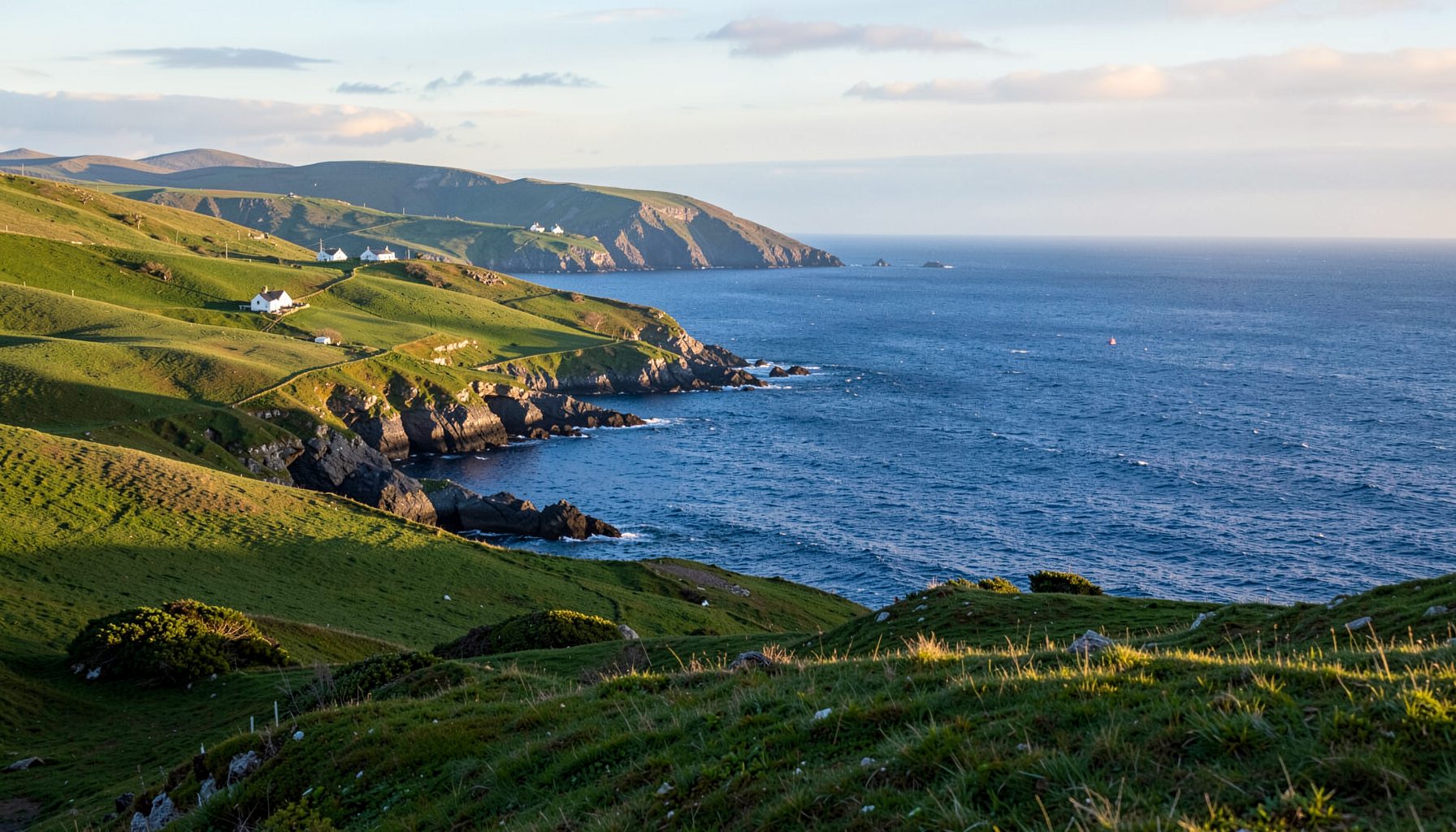
On Ireland’s Iveragh Peninsula, knitting is more than a pleasant pastime. In Gaeltacht communities along the Skellig Coast, it can be a livelihood, a family tradition, a way to preserve Irish words and patterns, and a practical response to the Atlantic climate. An Aran sweater made here carries the marks of place: heavy wool, weatherproof texture, careful handwork and knowledge passed between generations.
The work is often imagined as a quiet person knitting beside a peat fire, yet the reality is more varied. A traditional knitter may source yarn, design garments, answer visitors’ questions, photograph finished pieces, manage online orders and attend a local market before returning to the needles. For Australian readers, the craft offers a close look at how heritage, small enterprise and rural community life can sit within the same working day.
A Working Day On The Skellig Coast
A knitter’s morning might begin with sorting skeins by shade, checking measurements for a custom jumper or repairing a cable that has loosened during finishing. The rhythm changes with the seasons. Summer brings more visitors to villages, heritage sites and coastal attractions, while autumn and winter allow greater concentration on commissions, repairs and new designs.
In a Gaeltacht setting, Irish may be heard alongside English in the workshop, shop or community hall. Place names, local expressions and stories can influence a collection, giving a garment a stronger connection to its origin than a generic souvenir. Some makers work entirely alone, while others share equipment, display space or advice through craft groups and local enterprise networks.
The physical work requires patience. Aran knitting involves repeated patterns such as cables, honeycomb, moss stitch and diamond motifs. Each section must maintain an even tension, because a small variation can alter the final width of a sleeve or the balance of a yoke. Hand-finishing, washing and blocking are equally important; the jumper is shaped and checked before it reaches a customer.
Wool, Weather And Local Knowledge
Traditional Aran garments were valued because they offered warmth and durability in a damp, windy environment. The familiar cream colour is associated with natural wool, although contemporary makers use a broad palette, from sea-grey and moss green to russet, navy and soft gold. The best choice depends on fibre quality, yarn construction, intended use and the level of softness expected by the wearer.
A maker must understand how wool behaves. Untreated fibres can retain lanolin and provide a distinctive character, while spun and blended yarns may offer easier washing or a gentler feel against the skin. A dense fisherman-style jumper may be ideal for walking exposed headlands, but a lighter cardigan could suit everyday wear in a centrally heated home.
That distinction matters in Australia, where a traditional Irish jumper might be worn in Hobart, Canberra or the alpine parts of Victoria rather than in humid Darwin or a hot Sydney summer. Australian customers often ask about breathability, care instructions and whether a garment can be layered over a T-shirt. A skilled maker explains that wool can regulate temperature, yet a heavy cable-knit sweater remains a serious winter garment.
Care advice is part of the craft. Wool normally benefits from gentle hand washing, limited agitation, careful reshaping and flat drying. A knitter may include these instructions with the finished piece, especially when selling to customers accustomed to machine-washing everyday clothing. Clear guidance protects the garment and reduces avoidable returns.
From Home Workshop To Wider Market
The route from a Gaeltacht workshop to an Australian wardrobe involves several decisions. A local maker may sell directly, work through a gallery, supply a visitor centre or accept online orders. Each route changes the amount of time available for knitting, the price required to cover labour and the way the garment’s story is communicated.
Visitors often discover regional craft while exploring the peninsula’s history and landscape. A stop at the Skellig visitor centre can place local workmanship within a broader experience of maritime heritage, pilgrimage, island life and the cultural landscape surrounding Skellig Michael. A sweater purchased after that experience may function as a useful garment, a keepsake and a reminder of a particular coast.
The contrast between a small Irish craft enterprise and an Australian retail environment can be seen in the practical details below:
| Consideration | Gaeltacht Knitter | Australian Customer Or Retailer |
|---|---|---|
| Climate | Damp Atlantic weather, cool winds and changing conditions | Highly varied conditions, from cool southern winters to tropical heat |
| Customer priorities | Warmth, authenticity, local patterns and hand-finishing | Fibre feel, sizing, shipping, care instructions and seasonal usefulness |
| Selling channels | Workshops, craft fairs, galleries, visitor centres and direct orders | Farmers’ markets, online stores, independent boutiques and wool festivals |
| Wool culture | Aran tradition, Irish sheep farming and regional identity | Strong merino culture, knitting groups and interest in locally produced fibre |
| Consumer rules | Irish and European product, pricing and textile requirements | Australian Consumer Law, accurate descriptions and fair remedies for faulty goods |
| Practical challenge | Balancing tourism with a small rural production schedule | Managing freight, import requirements, GST and warm-weather demand |
Australian buyers are protected by the Australian Consumer Law, which means descriptions of fibre content, sizing and quality need to be accurate. A seller cannot simply describe a mass-produced acrylic garment as hand-knitted Irish wool. Depending on the transaction and business structure, GST, shipping terms and customs or biosecurity requirements may also affect the final price. These details are less romantic than a cable pattern, but they shape a sustainable craft business.
The Meaning Of An Aran Pattern
Aran stitches are often presented as a symbolic language. Cables may be linked with ropes or the sea, diamonds with fields or prosperity, and honeycomb with industry and abundance. Such interpretations are popular and can enrich the story of a garment, although their historical origins are more complex than a fixed dictionary of meanings. Patterns developed through practical knitting knowledge, regional variation and modern storytelling.
A responsible maker can honour that tradition without claiming that every stitch has one ancient, universally accepted meaning. The real heritage lies in the accumulated skill: reading a pattern, correcting a mistake, adapting proportions, selecting yarn and making a garment that will survive years of use. The knitter’s judgement is part of the design.
This is especially important when producing made-to-measure work. A tall customer in Melbourne may need longer sleeves and a broader shoulder, while someone in Perth may prefer a loose, lightweight shape for cool evenings. A garment can remain recognisably Aran while being adjusted for contemporary bodies and Australian wardrobes.
Some customers choose initials, a local motif or a colour connected with family history. Others want a plain jumper with no decorative explanation. Traditional making allows both approaches. Heritage is not preserved by freezing a design in the past; it stays meaningful when people can wear, repair and understand it in the present.
Skills Passed Through Community
The future of hand knitting depends on teaching. Older makers may show younger people how to hold several needles, maintain tension or unravel a damaged section without panic. Community workshops, adult learning programmes, libraries and craft circles give beginners a place to practise. In rural areas, these gatherings also provide social contact during darker months and create opportunities for informal mentoring.
A learning hub can support more than technical ability. Participants may discuss Irish vocabulary, local history, sustainable fibres, design software, pricing and photography. Someone who begins with a scarf could eventually sell hats, knit commissions or develop a small label. The movement from learner to maker is gradual, and encouragement can be as valuable as equipment.
Australian knitting communities offer comparable pathways. Groups in Melbourne and Sydney meet in cafés, libraries and yarn shops, while regional makers gather at wool shows, agricultural events and farmers’ markets. Everyday habits such as carrying a project on public transport, knitting during school pick-up or joining an online pattern group make the craft accessible even when a person lives far from Ireland.
For a small business, however, passion must be matched by realistic pricing. Hand knitting takes many hours, and a fair price should account for yarn, design, labour, packaging, transaction fees, transport, taxes and occasional remakes. A cheap imitation may look similar in a photograph, but it cannot represent the same investment of time or the same local knowledge.
What To Look For In A Hand-Knitted Garment
When choosing an Aran sweater or another traditional woollen item, buyers can look beyond the label and ask for useful information. The following checks help connect quality, authenticity and practical value:
- Check whether the garment is hand-knitted, machine-knitted or finished by hand.
- Confirm the fibre content, country of manufacture and recommended washing method.
- Compare the measurements with a favourite jumper rather than relying on small, medium or large.
- Look closely at stitch consistency, seams, cuffs, neck shaping and loose ends.
- Ask whether repairs or alterations are available after purchase.
- Consider the climate where the garment will be worn and choose weight accordingly.
- Keep invoices, care instructions and product descriptions for online or international orders.
A genuine maker will usually be willing to explain the yarn, construction and care of a garment. That conversation is part of the experience. It gives the customer a clearer sense of why a hand-knitted jumper costs more than a factory-made imitation and why small differences can be evidence of human work rather than defects.
The life of a traditional knitter in the Gaeltacht is therefore both rooted and adaptable. It belongs to a landscape of stone walls, wind, language and sea, while reaching customers in Australian cities, mountain towns and coastal communities. Every completed sweater joins those places through material, labour and memory.
Explore more stories from the Skellig Coast to discover the people, places and traditions behind this living regional culture, and support makers whose work keeps local knowledge in use.