The Daily Work of Preserving Ireland’s Native Breeds
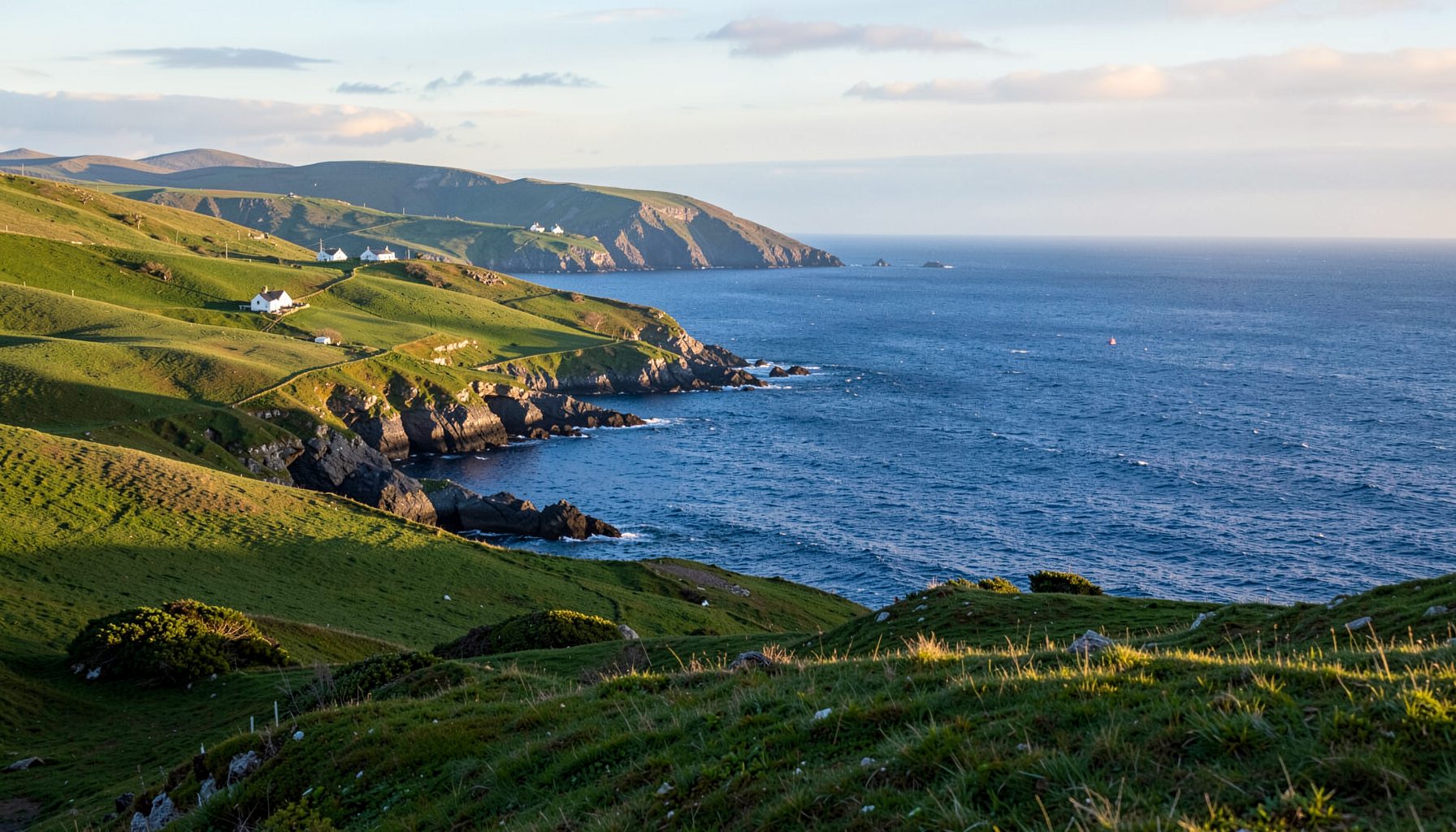
Along the Skellig Coast, farming is shaped by wind, rain, stone walls and a long memory of what survives here. From Kells to Castlecove, small holdings sit between mountain slopes, rough grazing and the Atlantic, where livestock must cope with weather that can turn quickly. For one local farmer, keeping native breeds is less a lifestyle statement than a practical responsibility passed down through generations.
The work combines animal husbandry, habitat care and cultural preservation. A Kerry cow or Irish Dexter carries useful traits developed in Ireland’s difficult conditions, while the farm itself protects old knowledge about grazing, calving, fencing and seasonal movement. These animals are part of the living landscape, alongside vernacular buildings, field boundaries and community traditions.
Australian readers may recognise the rhythm. A farmer in Gippsland, the New England tablelands or around the Atherton Tablelands also knows that good stock sense begins with observing country closely. The language may shift from “paddock” to “field” and from “ute” to “jeep”, but the principle is much the same: work with the land rather than forcing it to behave like somewhere else.
The farm as a living archive
A native breed is a record written in muscle, temperament and hardiness. Kerry cattle, among Ireland’s oldest breeds, are small-framed, dark-coated animals known for their ability to forage on modest ground. Irish Dexter cattle are also valued for their manageable size, efficiency and suitability to smaller farms. Their presence on the Skellig Coast links today’s holdings with a time when farms relied on animals that could thrive without intensive inputs.
The farmer’s role is therefore part curator, part stockperson and part land manager. Choosing which heifers to retain, recording pedigrees and watching how animals perform through a wet winter all contribute to conservation. The aim is not to freeze farming in the past, but to keep useful genetic diversity active in the present.
This distinction matters. A breed survives when it remains economically and ecologically relevant, not when it is treated as a museum exhibit. Native cattle can graze areas that are less suited to high-output systems, helping maintain open landscapes and supporting the patchwork of habitats that gives the Iveragh Peninsula its character.
Breeds suited to the Atlantic edge
The Skellig Coast is no easy environment for livestock. Salt-laden air, exposed hills, boggy ground and heavy rainfall test both animals and infrastructure. Native breeds often have qualities that match these conditions: efficient grazing, strong maternal instincts, longevity and the ability to maintain condition on forage rather than expensive feed.
That does not mean the animals need little care. The farmer still checks hooves, body condition, calving progress, parasite burdens and shelter. Native breeds may be robust, but they are not indestructible. Good husbandry involves knowing when an animal needs supplementary feed, veterinary treatment or removal from a difficult paddock.
The choice of breed also influences the whole holding. Smaller cattle can move through narrow gateways and graze rough corners without damaging the ground as heavily as larger animals. Their calmer temperament can make handling safer, which is particularly important on family farms where one person may be carrying out much of the daily work.
A working day shaped by weather
A typical morning begins before the wider village is fully awake. The farmer checks water, fences and animals, looking for small changes: a cow standing apart, a calf slow to rise, or a gate loosened by overnight wind. On the Atlantic coast, routine is essential because weather can close roads, delay feed deliveries and make a simple repair far more difficult.
Winter brings the greatest pressure. Rain can saturate ground, turning gateways into churned mud and increasing the risk of poaching. The farmer rotates access, uses hard-standing areas where possible and keeps emergency feed available. In summer, attention shifts towards haymaking, pasture management and preparing for the next calving season.
This is skilled work rather than romantic scenery. It involves early starts, wet clothing, machinery maintenance and decisions made with incomplete information. A farmer may spend an hour repairing a fence that fails again after the next storm. Still, each practical task protects the herd and keeps the farm’s long-term breeding plan on track.
Keeping genetics in the paddock
Preserving a native breed requires more than owning animals with the right appearance. The farmer needs reliable records covering parentage, fertility, calving ease, growth and temperament. Breeding choices must balance genetic diversity with the need to produce healthy animals suited to the farm’s land.
A narrow gene pool can create problems over time, so breeders work with registries, agricultural advisers and other keepers of the same breed. Selecting a bull or retaining a heifer involves looking beyond immediate size or sale value. An animal that calves easily, raises strong offspring and remains sound into old age may be more valuable than one that simply grows quickly.
The process also depends on markets. Customers may seek grass-fed beef, locally produced food or animals with a recognised heritage. Yet premium claims only have meaning when backed by clear records and honest handling. The farmer’s reputation, built through local relationships, can be as important as a formal label.
For Australians, the comparison with heritage cattle, Wiltshire Horn sheep or Gloucester Old Spot pigs is useful. Breed societies and rare-breed networks help keep genetic resources visible, while farmers’ markets and paddock-to-plate businesses create an outlet. At a country show in Bathurst or a regional field day near Ballarat, the conversation often comes back to the same question: can a traditional breed earn its keep?
What Australian readers will recognise
In Australia, people might call this sort of operation a small grazing property, a family place or simply “the farm”. The owner may arrive in a mud-covered ute, talk about “having a yarn” with a neighbour and measure success in practical terms: fewer problems at calving, a better season and stock that hold condition. Those everyday expressions reflect a farming culture grounded in observation and self-reliance.
The market also differs by region. A producer near Hobart may sell heritage beef through a farmers’ market or a restaurant network, while someone in regional New South Wales may rely on saleyards, direct orders and an annual agricultural show. Around Perth or Adelaide, consumers may be especially interested in provenance, regenerative agriculture and low-food-mile supply chains, but price still matters when household budgets are tight.
There are strong parallels with the Skellig Coast’s community scale. A local butcher, school programme, food co-operative or tourism initiative can help a small farm reach customers without becoming a large commercial enterprise. Events in villages such as Waterville or Caherdaniel can connect farming with craft, food, walking and local history, giving visitors a fuller understanding of how the landscape is maintained.
The same principle applies to traditional skills. A story about cattle may sit naturally beside accounts of fishing, stonework or currach building, because each shows how communities adapt local materials and knowledge to demanding surroundings.
Learning through community and story
The farmer rarely works in isolation. Advice may come from a neighbour who has managed cattle for decades, a vet familiar with local conditions, or a young person learning through a rural training programme. Informal knowledge remains important: which fields dry first, where stock shelter during a south-westerly gale, and when the grass is ready to graze.
Community learning hubs and local schools can turn breed conservation into a practical lesson. Children may learn how to identify cattle, read a field boundary or understand why genetic diversity matters. Such encounters make farming visible to people who might otherwise see only green fields from a passing road.
Tourism can support this exchange when it is handled respectfully. Visitors do not need a staged farm experience to understand the work. A short conversation at a local event, a heritage display or a guided walk near a working holding can show that food production and landscape protection are connected.
The story also broadens how people think about heritage. Skellig Michael is globally recognised for its monastic history and dramatic setting, yet everyday farms help sustain the wider cultural landscape. Native animals, old tracks and maintained fields form part of the living context in which regional history is understood.
Practical signs of a sound breeding programme
For anyone interested in native breeds, the most useful indicators are grounded in animal welfare and long-term management rather than novelty.
- Clear pedigree and health records
- Calm handling and safe facilities
- Regular assessment of body condition
- Grazing plans suited to the soil and season
A responsible farm also makes its claims easy to check. Buyers should be able to understand how animals were raised, what “grass-fed” means in that particular system and whether conservation goals are supported by actual breeding decisions.
- Transparent origin and production information
- Realistic claims about environmental benefits
- A viable outlet for offspring
- Cooperation with breed associations and local advisers
| Feature | Native breeds on the Skellig Coast | Heritage breeds in Australia |
|---|---|---|
| Main environmental pressure | Atlantic rain, wind, steep and wet ground | Drought, heat, variable rainfall and bushfire risk |
| Common management response | Hardy cattle, rotational grazing and shelter planning | Careful stocking rates, water security and pasture spelling |
| Market opportunity | Local beef, regional identity and farm-linked tourism | Farmers’ markets, direct sales, restaurants and breed societies |
| Conservation value | Maintains Irish genetic heritage and traditional landscapes | Protects rare genetics suited to Australian conditions |
| Key risk | Small-scale economics and limited infrastructure | Climate volatility, transport distances and feed costs |
Keeping the future connected to the land
The life of a local farmer preserving native breeds is made up of ordinary decisions with lasting consequences. A retained heifer, a repaired wall, a carefully timed grazing move or a conversation with a younger neighbour can influence whether a breed remains part of the region decades from now.
For visitors and readers, the best way to support that work is to pay attention to the people behind the landscape. Seek out local food, attend community events, follow regional heritage projects and share stories that give working farms their proper place. Explore the Skellig Coast through its villages, learning initiatives and living traditions, and help keep its native breeds visible, valued and viable.