The Art of the Currach Along the Skellig Coast
Along the Skellig Coast, the currach is more than a small traditional boat. It is a working craft shaped by Atlantic weather, local materials, inherited skill and a close understanding of the sea. For generations, people around the Iveragh Peninsula used currachs to fish, reach islands, set lobster pots and travel between coastal communities.
The familiar image is a light, narrow boat with a wooden frame covered in canvas or another flexible material. Its appearance can seem simple, yet every line has a purpose. The hull must be light enough to carry, strong enough to withstand surf and balanced enough to respond to a single oar or a pair of paddles.
Currachs still belong to the living culture of the region. They appear in regattas, heritage projects, demonstrations and community activities, while skilled boatbuilders continue to maintain the knowledge required to make and repair them. Their story connects the villages of the coast with older patterns of work, travel and celebration.
A Boat Shaped By Atlantic Water
The currach developed in response to the particular demands of Ireland’s western and southwestern seaboard. The open Atlantic, rocky landing places, changing tides and sudden weather required a boat that could be launched from a beach and brought ashore without heavy equipment. Its shallow draft made it useful in narrow inlets and close to rocky shorelines.
Different coastal areas developed their own forms, proportions and construction habits. A boat intended for sheltered water could differ from one designed for rougher conditions. On the Skellig Coast, local knowledge mattered as much as the materials themselves: builders understood where a boat would be used, how much gear it would carry and what kind of landing it would face.
The design also reflects a practical relationship with limited resources. A currach could be built with timber ribs, wooden frames, canvas or hide-like coverings, and protective coatings. Repairs were part of ordinary life rather than a sign that the craft had failed. Patching, repainting and replacing individual components allowed a boat to remain useful over many seasons.
Craftsmanship In Every Rib And Seam
Building a currach begins with the frame. The keel and gunwales establish the boat’s central shape, while ribs create the rounded structure of the hull. These parts must be shaped and fitted carefully, since small changes in curvature affect stability, carrying capacity and how the boat moves through waves.
Traditionally, the outer skin was secured over the frame and sealed to keep water out. Modern currachs often use treated canvas or synthetic materials, but the principles remain familiar. The covering needs to be tight without becoming brittle, and the coating must protect it from water, abrasion and repeated contact with the shore.
The finished boat is remarkably light compared with a conventional wooden vessel. That lightness is an advantage when launching from a strand or carrying a craft above the high-water mark. It also demands care: a currach can be damaged by careless dragging, sharp rocks, prolonged damp or poor storage.
A well-made boat carries the marks of its maker. The spacing of ribs, the curve of the bow, the finish around the seams and the arrangement of seats all reveal decisions made for a particular crew and stretch of coast. This is vernacular design at its most direct: beautiful because every detail serves a purpose.
Working Boats And Coastal Skill
For coastal families, a currach was part of an economic system. It could support fishing close to shore, transport equipment and provide access to grounds that were difficult to reach from land. The boat’s usefulness depended on the crew’s ability to read water, wind and tide as carefully as they handled nets, lines or oars.
Rowing a currach takes coordination. A narrow hull responds quickly to changes in weight and rhythm, so the crew must move together. The person at the stern keeps the boat on course while others maintain an even stroke. In rougher water, timing becomes essential, particularly when crossing a breaking wave or turning near a rocky landing.
The boat also carries memories of seasonal work. Fishing patterns, local landing places and weather signs were learned through observation and repeated practice. Much of this knowledge was passed on informally, through family and neighbours, rather than through written instruction. The currach therefore represents a form of maritime education as much as a mode of transport.
| Feature | Traditional Purpose | What It Reveals |
|---|---|---|
| Light frame | Easy launching and carrying | Adaptation to beaches and rocky shores |
| Shallow hull | Access to inshore water | Knowledge of tidal coastal landscapes |
| Flexible covering | Reduced weight and practical repair | Efficient use of available materials |
| Narrow shape | Speed and responsive handling | Importance of coordinated rowing |
| Raised bow and stern | Handling small waves and landings | Design shaped by Atlantic conditions |
From Everyday Tool To Living Heritage
The currach’s role has changed as engines, modern fishing boats and improved transport became more common. It is less likely to be the central working vessel for a household than it once was, yet it has not become merely a museum object. Communities continue to build, race, restore and use these boats in ways that keep the tradition active.
Regattas are especially important because they combine skill, competition and social life. A currach race requires physical strength, teamwork and an understanding of the boat’s movement. It also gives younger participants an opportunity to learn handling techniques in a setting where older knowledge remains visible and valued.
Heritage boats can also deepen visitors’ understanding of coastal places. Seeing a currach on the water communicates something that a static display cannot: how low it sits, how quickly it turns, how much effort goes into rowing and how exposed a crew would have been in difficult conditions. The experience connects material heritage with the landscape around it.
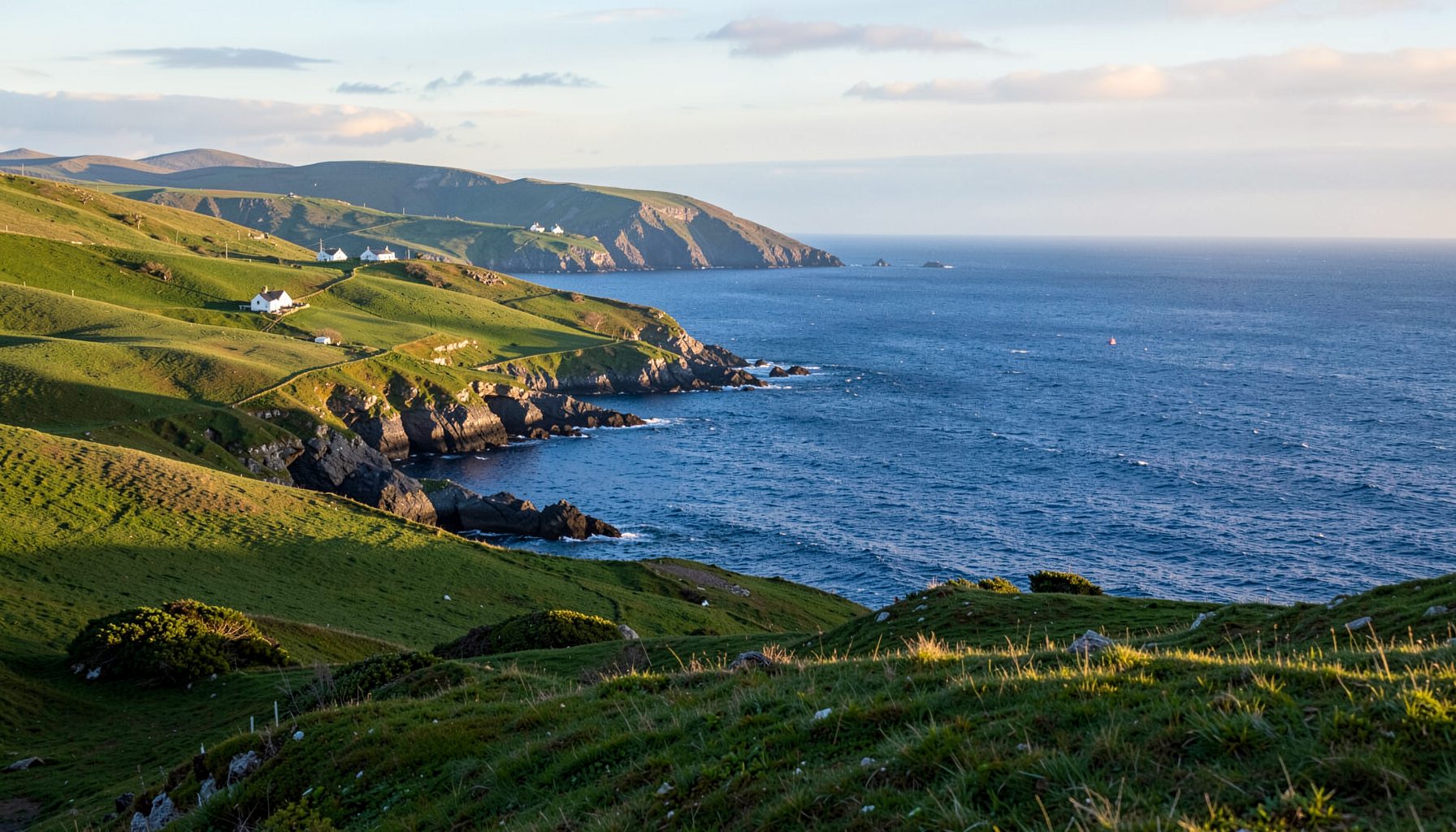
That connection matters along the Skellig Coast, where cliffs, islands, coves and beaches form part of the story. A currach is not an isolated artefact. It belongs to a network of shorelines, routes, work practices and community memories stretching from Kells towards Castlecove and beyond.
Learning Through Community And Celebration
The future of currach culture depends on opportunities to learn by doing. Boatbuilding workshops, youth programmes, rowing clubs and local heritage events can make traditional knowledge accessible without reducing it to a performance. Participants discover how materials behave, how tools are used and why certain shapes suit particular waters.
Community arts and cultural programmes provide another setting for these connections. Events such as Cahersiveen arts week can bring local history, making, storytelling and visual creativity into the same conversation. The currach fits naturally within that wider cultural landscape because it is both an object and a story carried by people.
Intergenerational learning is central. An experienced boatbuilder may teach a young person how to bend a rib or seal a seam, while a rowing session teaches balance and cooperation. These activities pass on confidence as well as technical knowledge. They also show that heritage is not fixed in the past; it is renewed whenever people practise it.
Schools, museums and community groups can support this work through oral-history projects, illustrated talks, archive recordings and hands-on demonstrations. Recording local terminology is valuable too. Names for parts of the boat, rowing commands, fishing methods and landing places preserve the language of maritime life alongside its physical craft.
Respecting The Boat And Its Water
A currach should be approached with the same respect as any traditional working craft. Its light construction does not mean it is fragile in every circumstance, but it does mean that careless handling can cause lasting damage. Visitors should follow local guidance before touching, launching or entering a boat used for demonstration or community activity.
The wider setting deserves equal care. Beaches, coves and harbour edges can be environmentally sensitive, while the sea may change quickly even on a calm-looking day. Heritage activities should avoid disturbing nesting areas, damaging dunes or leaving ropes, packaging and other material behind. Protecting the coastline protects the context that gives the currach its meaning.
Photography can be welcome, particularly during public events, but it should not interfere with crews preparing to launch or returning through surf. A boatbuilder’s work may involve sharp tools, wet surfaces and concentrated attention. Giving practitioners space is a simple way to show appreciation for the skill involved.
The most meaningful encounter is often one that combines observation with listening. A local explanation of how a boat is stored, why a certain timber is chosen or how a crew reads a wave can reveal more than a photograph. Currach heritage becomes richer when visitors treat community knowledge as something to receive respectfully rather than consume quickly.
Ways To Keep Currach Heritage Afloat
- Attend a local regatta, heritage demonstration or boatbuilding event and support the groups that organise it.
- Learn the difference between currach types, construction methods and modern adaptations through a museum, archive or community workshop.
- Choose guided activities led by local practitioners who can explain the boat’s history and the conditions in which it is used.
- Share photographs and stories responsibly, crediting the builders, rowers and organisations involved.
- Help protect beaches, harbours and coastal habitats by following access guidance and taking all waste home.
Currach traditions survive when they remain useful, visible and connected to local people. Funding for equipment, safe storage and training can make a practical difference, while attendance at events shows that this heritage has an audience. Even a conversation with a boatbuilder or a careful visit to a working harbour can help keep the knowledge in circulation.
The currach offers a distinctive way to understand the Skellig Coast. Its frame records the ingenuity of builders, its movement reflects the discipline of crews and its presence on the water recalls generations who depended on the sea. Visit a community event, seek out a local maritime story and support the people who continue to build, row and care for these remarkable boats.