Living from the Shore: A Skellig Coast Chef's Wild Food Life
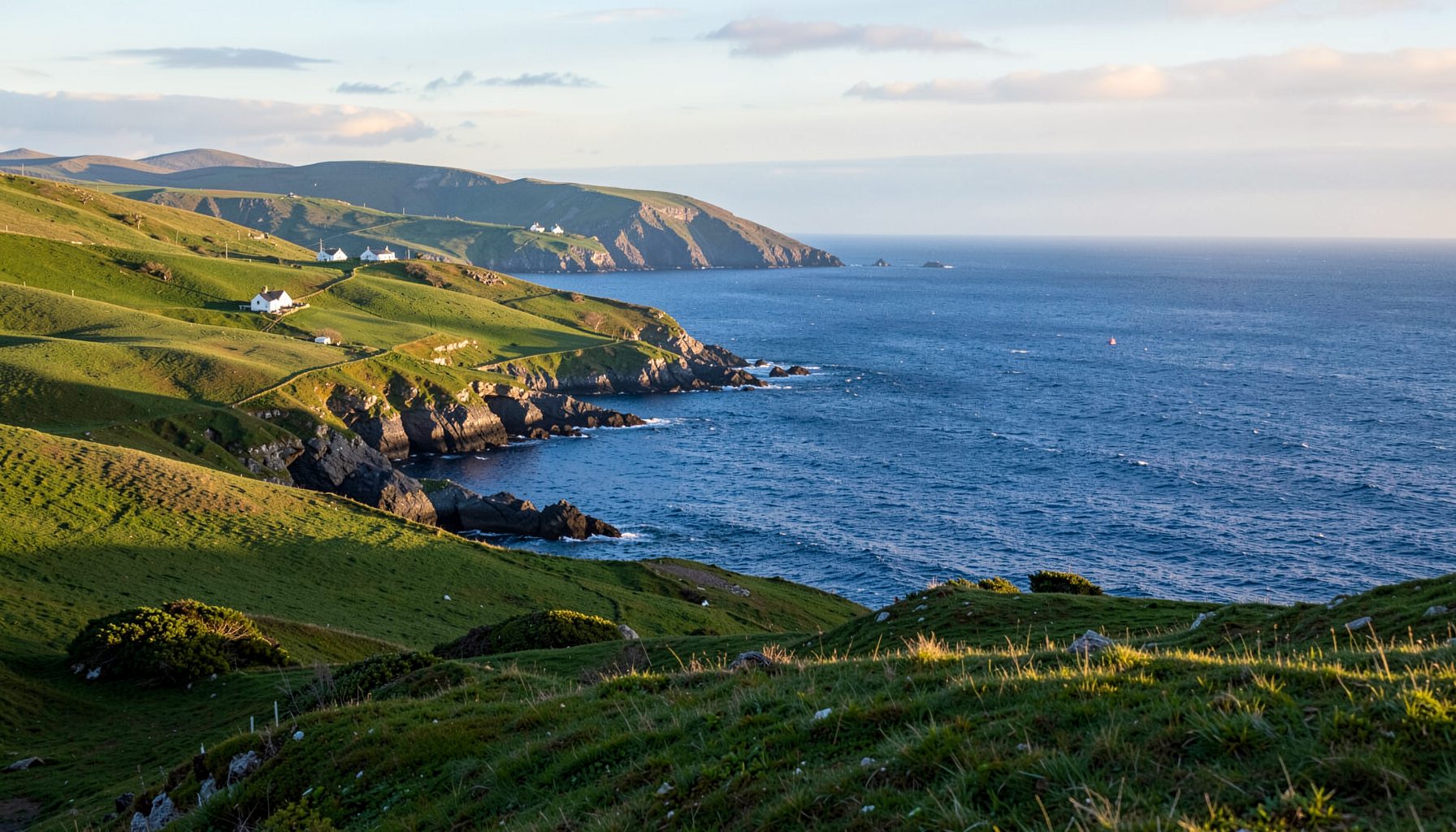
The first grey light over Portmagee arrives with the cry of gulls and the slow exhale of the Atlantic tide. Down along the strand, a figure in waterproofs crouches between rock pools, basket in hand, eyes trained on the dark green ribbon of sea lettuce washed up against bladderwrack. This is Niamh, a chef who has built her working life around what the Iveragh shore offers freely to those who know how to read it. She is not a forager by hobby or trend, but by necessity, geography and a deep affection for the coastline that has shaped her since childhood.
Wild food cookery has long flourished on Europe's Atlantic fringes, but it is also a quietly thriving scene in Australia, where chefs in Margaret River, Tasmania and along Sydney's rocky headlands have championed samphire, sea succulents and bush herbs for years. Niamh has cooked alongside some of those Australian cooks at slow-food gatherings and knows that the impulse to harvest close to home is shared across hemispheres. The Skellig Coast, however, has its own particular pantry, shaped by salt spray, gales and the soft drizzle of the Kerry climate.
What follows is a portrait of a day lived close to that pantry. It traces the rhythms of an early tide, the patience required to gather responsibly, the small kitchen in a whitewashed village house, and the way a plate of food can carry the story of a place. For readers curious about remote food traditions, or those planning a journey along the Ring of Kerry, it offers a glimpse behind the wooden door of a working coastal kitchen.
Waking before the tide
Niamh is at the door before five most mornings, even in summer when dusk lingers past ten. The tides around the Skellig Coast swing sharply, and the lowest of the day is often the only window for reaching the strands where samphire, sea kale and the fleshy leaves of sea purslane grow in cracks between granite and shale. She learned the calendar of these tides from her father, a fisherman who supplemented his catch with shore harvests in lean weeks. Today she passes that calendar on, explaining to visiting cooks that missing the tide by an hour can mean missing the harvest entirely.
There is a particular hush to the shore at that hour, before the tour boats stir in Portmagee harbour and the puffins return to the Skelligs. She moves slowly, never filling more than a third of her basket, and she always leaves the root systems intact so the plants can re-grow. This restraint is not a marketing gesture; it is a rule passed down through generations of shore people who understood that the sea, however generous, will not be plundered twice.
The salt-marsh pantry
The wild larder of the Iveragh Peninsula is rich and deceptively varied. Beyond the obvious samphire and seaweed, Niamh gathers alexanders, a celery-like coastal green that grows in the shelter of stone walls, and rock samphire with its crisp, almost saline bite. In late spring the cliffs above Waterville yield wild garlic in such abundance that she trades armfuls with neighbours for eggs and fresh bread. In autumn the hedgerows around Cahersiveen offer rosehips, elderberries and the occasional wild crab apple, all destined for vinegars and shrubs that brighten winter plates.
Australian readers might recognise parallels with the coastal herbs gathered around the Mornington Peninsula or the wild sea succulents Tasmania is rightly celebrated for. The two regions share a salty, wind-blasted temperament, though their species differ. Niamh has cooked with lemon myrtle and finger lime brought back from a trip to Brisbane, and she counts wattleseed among her pantry staples when she wants a nutty depth in a bread or a slow-cooked stew. The principles translate; the names change.
Knives, baskets and a borrowed jeep
The toolkit of a coastal chef is plain and reliable. A sharp knife with a curved blade, a pair of secateurs, waxed canvas bags that keep delicate leaves from being bruised, and a sturdy wicker basket borrowed from her mother. The basket rides in the back of a borrowed jeep that Niamh shares with three other families in her village, a sensible arrangement on a peninsula where owning a vehicle is expensive and parking is scarce. She drives south some mornings, north others, depending on the wind, the swell and which strand has been left alone by recent storms.
Practical knowledge underpins every trip. She knows which rocks harbour the sweetest limpets, which coves hold clumps of dulse that bleach beautifully in the sun, and which cliff paths are safe only at low water. These details are not written down; they live in conversation, in the slow accumulation of years spent walking the same coastline. Younger chefs who arrive from cities like Sydney or Melbourne, drawn by the romance of wild food, often underestimate how much of this work is weather lore and humility.
From rocky shore to restaurant plate
Back in the kitchen, the morning's harvest waits in shallow trays of seawater while Niamh brews tea and lays out the day's prep. Seaweeds are rinsed three times to release any grit, then either eaten raw, briefly wilted, or dried in a low oven for the cupboard. Alexanders are blanched and shocked so they keep their colour. Samphire is dressed with nothing more than cold-pressed rapeseed oil and a squeeze of lemon from a neighbour's polytunnel. Each ingredient reaches the plate with as little interference as possible, because the flavours are already shaped by salt, wind and stone.
Lunch service at her small village restaurant is quiet, a handful of covers served at a long wooden table. Diners eat what the tide and the season allow, and they leave having tasted the coastline more directly than any guidebook could describe. Some guests, especially those used to the polished fine-dining rooms of Melbourne or Sydney, are surprised by the modesty of the kitchen and the plainness of the plating. They tend, however, to leave converted. There is no performance in this food; there is only a careful, repeated attention to place.
Honouring older ways of eating
Niamh is firm that wild food cookery on the Skellig Coast did not begin with her. Long before farm-to-table became a phrase attached to brunch menus, shore gatherers fed their families from these strands, and their methods were recorded in folklore rather than cookbooks. She keeps a copy of an old parish recipe collection, full of entries for carrageen moss pudding, dulse soda bread and nettle soup. These recipes were born of poverty in some eras, but they carry a wisdom that modern chefs are still learning to value.
She has begun hosting short kitchen-table evenings for visitors where these older dishes are served alongside stories of the people who cooked them. Grandmothers from Sneem, Valentia Island and the scattered townlands of south Kerry are invited to share their recollections. The result feels closer to a community gathering than a cooking demonstration, and it gives the wild food a context that no single chef could invent. The food on the plate becomes a continuation of a conversation, not a novelty.
Sharing the wild table with travellers
The Skellig Coast has long drawn visitors for its scenery and the brooding presence of Skellig Michael, an ancient monastic outpost and a striking Star Wars filming location. Niamh works with several local guesthouses and walking guides who send guests her way, and she sees wild food as a way of deepening the experience beyond the obligatory photograph of the islands from the shore. Travellers who spend a morning foraging with her return home with a sharper sense of the place than those who merely drive the Ring of Kerry.
For those planning their own trip, a little preparation goes a long way. the best photography spots for the Skellig Islands are well documented and worth pairing with at least one slow afternoon on the coast to absorb the textures of light and tide. A good camera will capture the islands; a meal in Niamh's restaurant captures the same wild shoreline through taste. Combining the two offers the most complete memory of a visit.
Lessons a Skellig chef can teach a foraging nation
Australia's wild food movement has been bolder in some respects, drawing on Indigenous knowledge and a vast inventory of native species. Yet even experienced Australian foragers can learn from the patience of a Skellig Coast chef who has worked the same ten kilometres of shore for two decades. Restraint, seasonality and a willingness to leave abundance in the ground are habits that benefit every coastline, including the busy estuaries around Sydney Harbour and the quieter inlets of Western Australia's south.
Niamh often speaks of the shoreline as a teacher rather than a resource. She reads it, listens to it, and declines to take more than she needs. That ethic travels well. Wherever readers find themselves — whether on a windswept at home in Victoria, a Brisbane rooftop garden, or planning a trip to these Kerry strands — the principles of careful coastal gathering apply. Cook close to where you stand. Let the seasons dictate the menu. Treat the wild with the same respect a fisherman treats the sea.
The door to Niamh's kitchen is rarely locked. Visitors who arrive in Portmagee between April and October are welcome to ask about foraging mornings, supper clubs or a simple bowl of carrageen pudding served with brown bread. Bring waterproofs, leave the rush behind, and the Skellig Coast will feed you generously, the way it has always fed the people who have called it home.