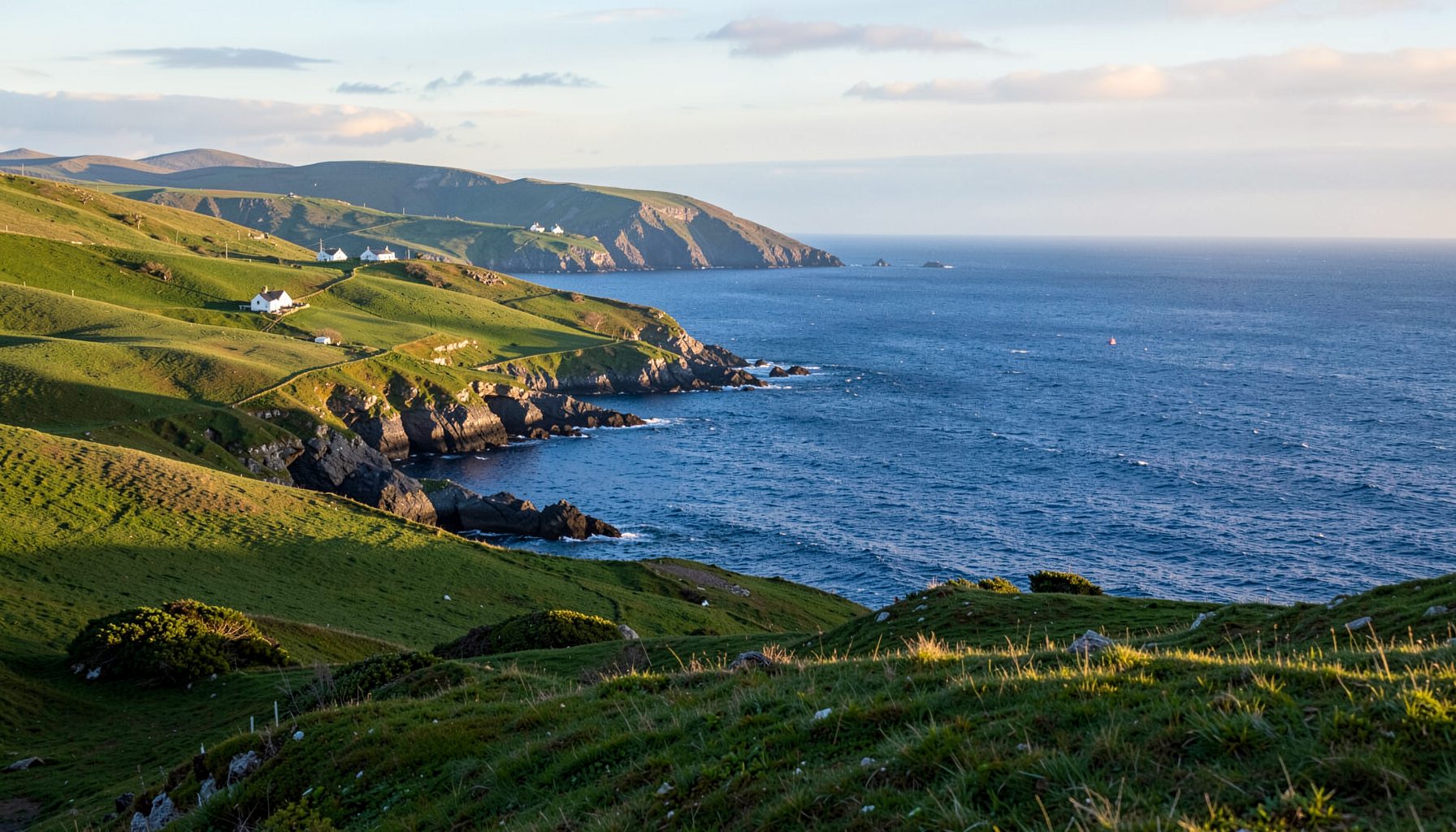
The History of Island Ferry Services Along the Skellig Coast
The islands off Ireland’s south-west coast have always depended on the sea. Before engines, timetables and licensed landing arrangements, local people crossed in small boats shaped by weather, tides and necessity. The same waters that carried fishermen, pilgrims and island families now bring visitors towards Skellig Michael, Beginish and the waters around Valentia Island.
Ferry history along the Skellig Coast is therefore more than a story of tourism. It reflects changing patterns of settlement, work, worship, schooling and trade. Some crossings were daily lifelines, while others were occasional journeys made for seasonal fishing, religious observance or contact with the mainland.
Modern boat trips can appear straightforward, but they follow routes and traditions developed over generations. Understanding that background gives greater meaning to a departure from Portmagee, a crossing from Reenard Point or a boat approaching the dramatic monastery of Skellig Michael.
Boats Before Regular Ferry Routes
For centuries, islanders used lightweight wooden boats, currachs and larger working craft to move between the coast and offshore communities. These vessels carried people, turf, fish, livestock, mail and household goods. A crossing was planned around wind and tide rather than a fixed schedule, and local knowledge was essential.
The waters around Valentia, Portmagee and the Skellig Islands are exposed to the Atlantic. Even a short trip could become dangerous when visibility fell or a westerly wind strengthened. Boatmen learned to read reefs, currents and landing places, while passengers accepted that a journey might be delayed or abandoned.
The distinction between a ferry and a private boat was once less clear than it is today. A fisherman might carry neighbours across the sound, take goods to an island or bring a priest to a remote community. Payment could be made in money, produce or reciprocal help. These informal services provided the practical foundation for later commercial crossings.
Valentia Sound And Everyday Island Life
Valentia Island was closely connected with the mainland through the passage between Reenard Point and Knightstown. Before modern road connections, boats were vital for residents travelling to markets, schools, churches, medical services and employment. The crossing was part of ordinary life rather than an excursion.
Small passenger boats and working vessels served the sound, with arrangements changing as demand, technology and public infrastructure developed. Motorisation made crossings faster and more predictable, although weather remained a determining factor. The ferry also supported the movement of vehicles and supplies, allowing the island to maintain a stronger relationship with the mainland.
The opening of the bridge linking Valentia with Portmagee in the twentieth century changed local transport patterns, but it did not remove the value of the Reenard–Knightstown route. The ferry continues to offer a direct crossing, particularly for visitors and for those travelling along the southern side of the island. Its survival shows that a ferry can remain useful even after a permanent road connection arrives.
From Island Lifeline To Heritage Journey
The Skellig Islands had no permanent modern ferry service in the same sense as Valentia. Skellig Michael was a monastic settlement, a place of pilgrimage and later a historic monument reached by sea. Visitors depended on boats that could approach the landing steps safely, and the journey was always subject to Atlantic conditions.
For local boatmen, trips to the Skelligs demanded intimate knowledge of currents, submerged rocks and changing swell. The landing itself was difficult, with steep steps leading from the water to the monastery. A boat could reach the island without conditions being suitable for passengers to disembark, so a voyage did not guarantee a landing.
In the twentieth century, organised boat excursions gradually developed from Portmagee and nearby coastal harbours. These trips combined sightseeing with the practical knowledge inherited from working seafarers. Today, licensed operators carry passengers towards Skellig Michael during the permitted season, while access to the island remains controlled to protect its archaeology, wildlife and fragile structures.
| Crossing or service | Main purpose | Historical character | What shaped its development |
|---|---|---|---|
| Reenard Point–Knightstown | Passenger and vehicle travel | Everyday island connection | Settlement, trade, road access and local demand |
| Portmagee–Skellig Michael waters | Landing trips and heritage visits | Specialist sea journey | Monastic history, tourism and conservation rules |
| Valentia and nearby coves | Informal transport and local work | Community-based boat service | Fishing, supplies, family connections and weather |
| Boats around Little Skelligs | Wildlife and coastal viewing | Non-landing excursion | Gannet colonies, navigation and environmental protection |
| Dunquin–Great Blasket area | Island access and heritage travel | Regional comparison | Former island settlement, tourism and sea conditions |
Portmagee And The Skellig Michael Route
Portmagee became strongly associated with journeys to the Skelligs because of its sheltered harbour, maritime tradition and position near the islands. In earlier times, the harbour served fishing and local transport. Later, it became the departure point for visitors interested in the monastery, seabirds and the wider marine landscape.
The growth of heritage tourism changed the nature of the voyage. A trip that once depended on a small number of local passengers became part of a regulated visitor experience. Boat operators had to balance demand with the limits of the landing site, conservation requirements and the unpredictability of the open sea.
The route also gained international attention after Skellig Michael appeared in the Star Wars films. Film tourism brought new interest, but the island’s importance is much older. Its UNESCO World Heritage status, early Christian remains and centuries of spiritual association remain central to the meaning of the crossing.
The Sea Route And Local Social Life
Ferry services influenced where people met and how news travelled. A boat arriving from an island could bring letters, provisions and stories from the mainland. Departures created practical social occasions, particularly when passengers had to wait for the tide or for a safer weather window.
Harbours became points of exchange between residents, fishermen, boatmen and visitors. They were places where arrangements were made, fares negotiated and local knowledge shared. The coastal economy around these crossings included boat repair, fuel, fishing gear, guiding and refreshments. Even small businesses benefited from the movement created by the sea route.
That social history is still visible in the communities around Portmagee, Valentia and the wider Iveragh Peninsula. The area’s traditional drinking places and gathering spots helped sustain conversation before and after a crossing. Accounts of the smallest pubs and shebeens offer useful context for understanding how travel, hospitality and community life were connected.
Safety, Conservation And Changing Access
Modern ferry operations are governed by safety standards that would have been unfamiliar to earlier generations. Vessels, life-saving equipment, passenger capacity, weather monitoring and crew training all shape the service. The decision to sail is still made with respect for the sea, but it now sits within a formal regulatory framework.
Skellig Michael presents additional restrictions. The landing is limited, the season is controlled and visitor numbers are managed. Rough conditions may prevent a landing even when a boat can safely travel near the island. These limits protect the monastic site and reduce pressure on narrow steps, nesting birds and vulnerable archaeological features.
Wildlife has also become an increasingly important part of the journey. Little Skellig is known for its large gannet colony, while the waters support seabirds, seals and other marine life. Boats that circle the islands without landing provide an alternative way to experience the coastline while keeping visitors away from sensitive habitats.
Keeping Ferry Heritage Visible
The history of local ferry services is preserved through more than dates and vessels. It survives in harbour names, family memories, boat-building skills, photographs, oral histories and the continued use of traditional routes. Local schools, museums, community groups and heritage projects can all help record this knowledge before it disappears.
A useful account should include the less visible passengers as well as tourists: island children travelling for school, residents collecting supplies, workers commuting and families visiting relatives. These journeys explain why ferries mattered long before the Skellig Coast became an internationally recognised destination.
The present-day crossing is both transport and interpretation. A boat trip can introduce visitors to monastic heritage, maritime culture and wildlife, while reminding local communities of the practical relationships that shaped the coast. The route is most meaningful when it is understood as part of a living regional history.
Ways To Experience The Maritime Story
- Visit Portmagee Harbour and consider its role as both a working fishing base and a departure point for Skellig trips.
- Cross between Reenard Point and Knightstown to experience the continuing connection between Valentia Island and the mainland.
- Learn about Skellig Michael before travelling, including its monastic history, conservation rules and landing limitations.
- Look towards Little Skellig during a wildlife cruise and recognise the island as a protected seabird habitat rather than a landing destination.
- Support local museums, archives and community heritage initiatives that preserve ferry stories and maritime memories.
The island ferry is a link between places, but it is also a record of how people adapted to the Atlantic. From informal currach crossings to carefully regulated heritage voyages, each stage reflects the needs and values of its time. Follow the harbours, bridges and sea routes of the Skellig Coast to discover how transport helped shape its communities and continues to carry their stories forward.