Small Pubs and Shebeens Along the Skellig Coast
Along the Skellig Coast, a pub can be much more than a place to order a drink. In a village with a small population and long distances between neighbours, the local bar may serve as a meeting point, music room, news exchange, visitor welcome and informal archive. Its size often helps create its character.
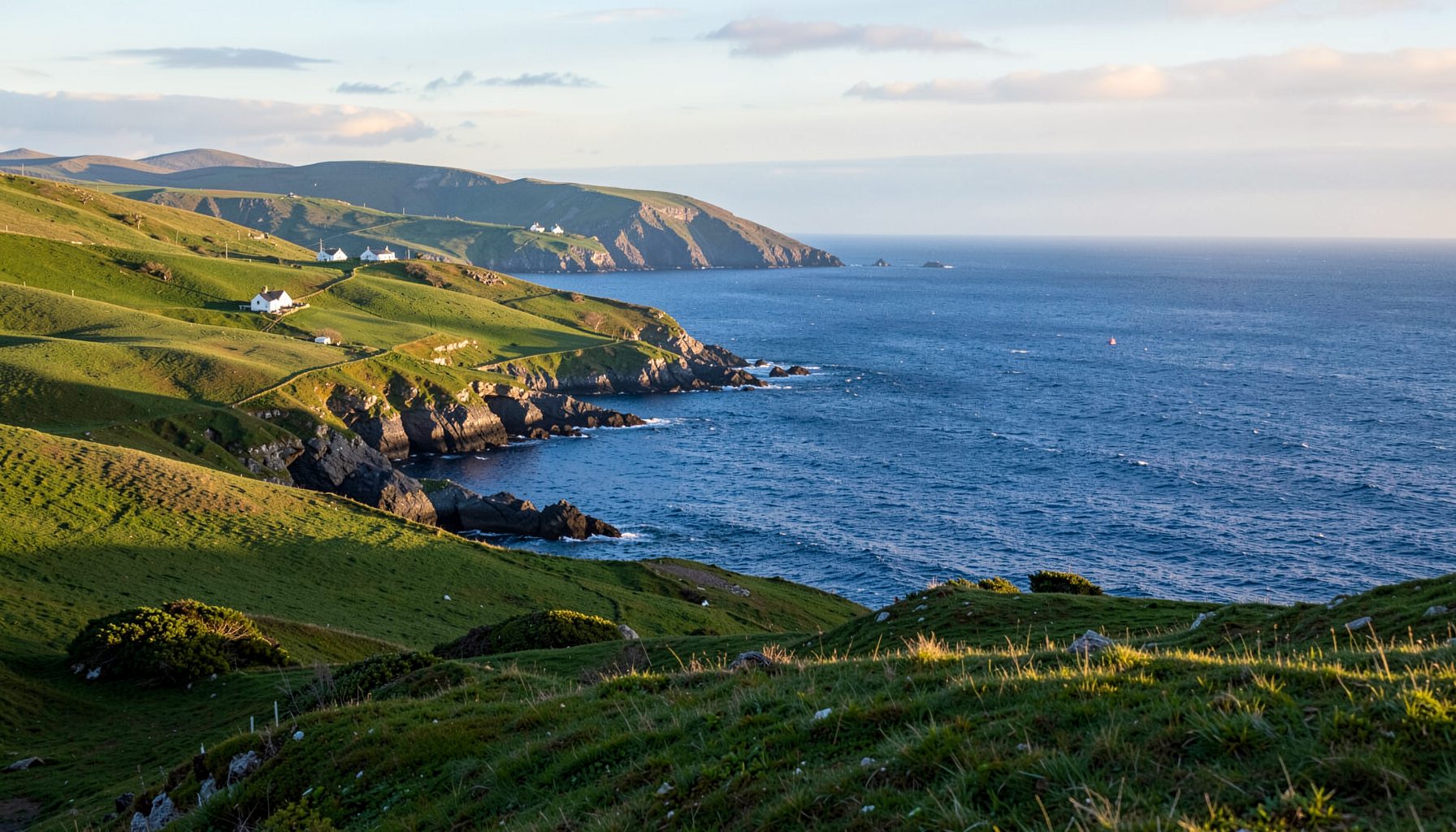
From Kells to Castlecove, the landscape is shaped by narrow roads, scattered homes, fishing heritage, farming communities and the Atlantic edge of the Iveragh Peninsula. Small pubs fit naturally into that setting. They occupy modest premises, often close to crossroads, harbours or village streets, yet their social importance can reach far beyond their walls.
The word “shebeen” also carries a particular history. It traditionally referred to an unlicensed place where alcohol was sold or served, often in a private house. Today, the term may be used affectionately or historically, but it should not be assumed that every tiny rural pub is a shebeen in the legal sense. The distinction matters when exploring the culture of hospitality on the Skellig Coast.
What Makes A Pub Small
A small pub is defined less by an official capacity than by its atmosphere and role. It may have a single snug, a compact counter, a few tables and little separation between the person serving and the people gathered inside. The close arrangement encourages conversation, and a newcomer can quickly sense the rhythm of the room.
Older premises may show their history through low ceilings, thick walls, worn timber, traditional shopfronts or rooms that have changed purpose over time. Some began as grocery shops, public houses, family businesses or roadside stopping places. Their architecture reflects practical local life rather than a standardised hospitality design.
Small scale also influences the pace of an evening. Service is personal, music may be informal, and conversations can move easily between local affairs, weather, fishing, sport and family connections. In a larger venue, these details might remain separate. In a tiny pub, they often overlap.
The Shebeen In Irish Social History
Shebeens belong to a wider story of Irish social history. In different periods, people gathered in private homes or discreet premises where drink was served outside official licensing arrangements. These places could be associated with celebration, resistance, necessity or simple neighbourly sociability, depending on their setting and time.
The history is not limited to alcohol. A shebeen could function as a place for music, storytelling, dancing and the exchange of local information. In isolated rural districts, the home or small business where people gathered might also become a point of connection during bad weather, harvest work or family occasions.
Modern visitors should treat the term with care. A licensed pub with a small, homely feel is not automatically a shebeen, and historical accounts may use the word differently from current Irish law. On the Skellig Coast, it is best understood as part of a vocabulary of rural hospitality and memory, rather than as a label to apply casually to individual premises.
Villages, Crossroads And Coastal Communities
The compact pub tradition makes sense within the geography of the region. Villages and townlands around the Iveragh Peninsula are connected by roads that follow the contours of the coast and mountains. A pub positioned near a crossroads, pier or village centre can be within walking distance for some residents while remaining a useful stopping point for people travelling from nearby townlands.
Kells, Cahersiveen, Waterville, Ballinskelligs, Portmagee and Castlecove each have distinct identities, shaped by their coastlines, landscapes and community histories. The pubs associated with these places should be seen within that wider context. A local bar may support a sports club, host a traditional music session, display notices for community events or provide a familiar meeting place during festivals.
For visitors, the most valuable experience often comes from observing local etiquette. A quiet greeting, patience at the counter and respect for regulars can make a difference. Small venues do not always operate like tourist attractions, and their primary purpose is to serve the local community. A warm welcome is more likely when visitors treat the room as a living social space rather than a themed backdrop.
| Feature | Small Rural Pub | Historic Shebeen Tradition | Community Meeting Place |
|---|---|---|---|
| Setting | Village street, crossroads, harbour or roadside | Private house or discreet premises | Pub, hall, clubroom or local venue |
| Main role | Hospitality and social connection | Informal gathering and shared drink | Events, notices, music and local support |
| Atmosphere | Intimate, familiar and conversational | Informal and often domestic | Open to a wider range of community activity |
| Historical status | Usually subject to modern licensing | Traditionally outside formal licensing | Depends on the venue and event |
| Visitor approach | Respect local pace and customs | Treat as heritage, not a guaranteed attraction | Check community notices and event details |
Music, Storytelling And Local Memory
Traditional music is closely linked with small pubs, although sessions vary widely. Some are scheduled and publicised, while others develop naturally when musicians meet. A fiddle, concertina, guitar or bodhrán can transform a quiet room without requiring a stage or sound system.
Storytelling has equal importance. Local knowledge may include accounts of fishing grounds, old roads, emigrant families, unusual weather, sporting achievements and places associated with folklore. Stories often change as they pass between generations, making the pub an informal learning hub as well as a social venue.
The connection with heritage is especially meaningful in a region known for Skellig Michael, the UNESCO World Heritage Site offshore, and for the wider cultural landscape of the Ring of Kerry. A pub conversation should never replace reliable historical research, but it can point towards community archives, local history groups, walking routes and cultural initiatives that deserve further attention.
Visiting With Respect And Curiosity
A small pub visit rewards awareness. Opening hours can be seasonal, and some venues may be busiest at particular times of day or during local events. Premises may also have limited seating, so a large group can change the atmosphere quickly. Checking current information before setting out is sensible, especially in quieter villages.
Photography should be handled discreetly. Ask before photographing people, musicians, family photographs or interior details. The same applies to recording music or conversations. A pub may look picturesque to a visitor, but it remains a private social environment for those who use it regularly.
Responsible travel also means planning transport. Rural roads can be narrow and dark, mobile coverage may vary, and alcohol should never be combined with driving. Visitors staying in the area can learn about local transport options, walking possibilities and community events through regional information sources. A considerate visit leaves the venue comfortable for its regular community after the visitor has gone.
A Living Part Of The Skellig Coast
The smallest pubs and shebeens of the Skellig Coast belong to a larger network of community life. They connect residents with music, news, memory and celebration, while offering visitors a glimpse of how rural hospitality is shaped by place. Their value cannot be measured by floor area or the number of taps behind the counter.
Some venues will have long documented histories; others will be remembered mainly through family stories and local knowledge. Both forms of heritage matter. Recording oral history, collecting photographs with permission and supporting community-led cultural projects can help preserve the character of these places without turning them into museum pieces.
For a deeper understanding of the region, explore village histories, local events, learning hubs and cultural initiatives across the Skellig Coast. Share reliable memories and heritage information with community organisations, support local businesses respectfully and make space for the people whose everyday lives give these small gathering places their meaning.