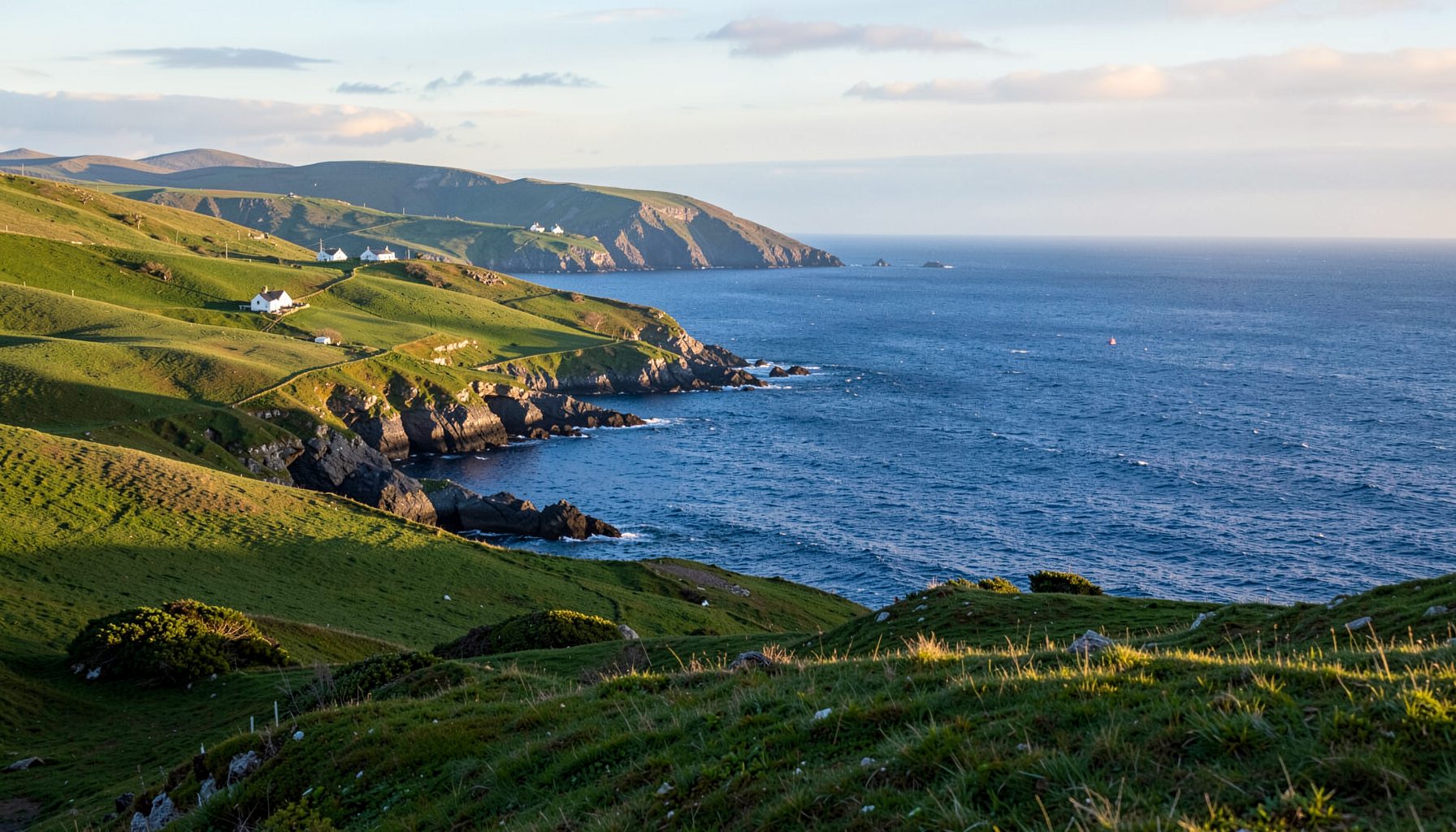
Sunrise and sunset photography on the Ring of Kerry
The Ring of Kerry is made for photographers who enjoy changing light, open horizons and landscapes with a strong sense of place. Along the Iveragh Peninsula, dawn can arrive over the Atlantic while evening colour settles across mountain lakes, stone walls, islands and quiet village harbours. The best viewpoint is often shaped by the season, the tide and the direction of the clouds rather than by a single famous landmark.
For visitors travelling from Australia, the experience rewards careful planning. A photographer flying from Sydney, Melbourne, Brisbane or Perth may arrive with jet lag, unfamiliar road conditions and a very different pattern of daylight. Give yourself time to adjust, check local forecasts before leaving, and treat each location as a working landscape where residents, farmers, walkers and wildlife share the space.
| Location | Best light | Photographic strengths | Practical note |
|---|---|---|---|
| Valentia Island | Sunset and blue hour | Atlantic horizon, Skelligs, cliffs and harbour views | Allow time for narrow roads and changing weather |
| Waterville and Ballinskelligs | Sunrise or sunset | Beaches, sea stacks, Skellig coast and reflections | Check tide, wind and access conditions |
| Rossbeigh Strand | Sunrise | Long beach, Dingle Bay and distant mountains | Arrive early for a clear foreground |
| Killarney National Park | Sunrise | Lakes, woodland, mist and mountain silhouettes | Use marked areas and respect park restrictions |
| Cahersiveen and the River Fertha | Sunset | Castle ruins, estuary light and inland hills | Excellent for layered compositions |
| Kenmare Bay and Sneem | Sunset | Islands, coves, colourful villages and calm water | Watch for private land and roadside parking |
Choosing the right coast for sunrise
The eastern side of the peninsula is generally more suitable for first light, particularly around Rossbeigh Strand, Killarney’s lakes and the approaches to Cahersiveen. At Rossbeigh, a wide sweep of sand gives you space to work with long shadows, ripples and reflections. On a clear morning, the rising sun can illuminate the mountains around Dingle Bay while the beach remains cool and subdued.
Killarney National Park offers a quieter, more sheltered alternative to the exposed coast. Muckross Lake, Lough Leane and the wooded roads near Torc can produce soft dawn scenes, especially when mist forms above the water. Arrive before the popular walking routes become busy, and keep tripods away from narrow paths or passing cyclists.
Sunrise photography here is less predictable than a simple weather app might suggest. Low cloud can block the sun but create rich pastel colour, while a completely clear sky may produce a less dramatic image. The Irish weather changes quickly, so carry waterproof protection for camera bags and allow extra time to find a safe viewpoint in the half-light.
Valentia Island and the Atlantic evening
Valentia Island is one of the strongest sunset locations on the Ring of Kerry because it combines accessible viewpoints with a vast western outlook. The coastline near Bray Head and the island’s western roads can frame the setting sun over the Atlantic, while elevated positions reveal Beginish Island, the Skelligs and the rugged coastline around Portmagee.
The island also gives photographers a way to connect landscape with local history. The transatlantic cable station at Knightstown and nearby heritage sites add human scale to a seascape that might otherwise become a simple horizon photograph. A transatlantic cable story can provide useful background before you visit and help shape a more meaningful visual narrative.
Stay after the sun has disappeared. Blue hour often brings the best balance between the remaining colour in the sky and the first warm lights in villages and harbours. Use a stable tripod, lower your ISO and make several exposures as the light changes. Be cautious on cliff edges, especially when wind and darkness arrive together.
Skellig Coast beaches and open horizons
Ballinskelligs, St Finan’s Bay and the coast near Portmagee offer different ways to photograph the Skellig Coast. Beaches are especially useful at low tide, when wet sand can reflect the sky and create leading lines towards Skellig Michael. Small rock pools, seaweed patterns and foam can add foreground detail without competing with the horizon.
For sunset, look for a composition that includes more than the sun itself. A ruined wall, a headland, a boat or a distant island can give the image depth. Skellig Michael may appear as a small silhouette rather than a dominant feature, and that restraint often reflects its actual position in the landscape.
Never assume that a beach is safe simply because it looks calm. Waves can run much further up the shore than expected, and the incoming tide can cut off access around rocky points. Check tide information, keep a route back to higher ground and avoid climbing unstable cliffs for a better angle.
Cahersiveen, Rossbeigh and inland layers
Cahersiveen is well suited to late-evening photography when the River Fertha catches reflected colour. The ruins of Ballycarbery Castle, the old barracks and the surrounding hills create opportunities for layered compositions. Rather than placing the sunset directly in the centre, try using a wall or track to guide the eye through the frame.
Rossbeigh Strand is particularly effective at dawn, but its long shoreline can also work during evening cloud. A wide-angle lens can show the scale of the beach, while a telephoto lens compresses the relationship between the mountains and moving figures. Keep people small and distant if you want to emphasise the landscape, or use a single walker to show scale.
The best images may require returning to the same location. A first visit can reveal where parking, access paths and tidal channels are positioned, while a second visit lets you respond to better cloud or wind. This approach is useful for Australian visitors working around a limited holiday itinerary: scout during the day, then return when the light is right.
Kenmare Bay, Sneem and the southern route
The road between Sneem and Kenmare brings a softer, more sheltered character to the Ring of Kerry. Kenmare Bay is dotted with islands and peninsulas, so sunset compositions can include several layers of water and land rather than one uninterrupted ocean view. Calm evenings may produce subtle reflections, especially from small piers and sheltered coves.
Sneem’s colourful buildings, stone bridges and river setting suit blue-hour photography. The fading daylight can balance the warm tones of shopfronts and homes with cooler tones in the sky. Be considerate in village centres: keep doorways, footpaths and parking spaces clear, and avoid using bright lights near homes.
For Australians used to broad highways around regional towns or the regular grid of Melbourne and Sydney, Kerry’s roads require a slower rhythm. Narrow lanes, stone walls, blind bends and tour buses can make a short distance take much longer than a map suggests. Do not stop on a bend or block a gateway while waiting for sunset colour.
Planning around seasons, tides and local conditions
Summer offers long evenings and relatively comfortable conditions, but popular viewpoints can be busy and sunset may occur later than visitors expect. Spring and autumn often provide more dramatic cloud and softer crowds. Winter brings short days, low sun and powerful Atlantic weather, although the combination can produce striking photographs for anyone prepared for cold and rain.
Australian visitors should check the time difference carefully when planning a first outing. A traveller accustomed to checking the Bureau of Meteorology app before a dawn walk should use a reliable Irish forecast alongside tide information and local warnings. Sunrise and sunset times can also feel unfamiliar after travelling from Australia, particularly during the long Irish summer evenings.
Pack layers, gloves, a waterproof shell, lens cloths and a head torch with a red-light setting. A thermos is practical, and the familiar Australian habit of grabbing an early coffee should be planned around opening hours because small villages may not have cafés operating before sunrise. Carry food and water rather than relying on finding services at the edge of the day.
Camera technique and responsible access
A graduated neutral-density filter can help balance a bright sky with a darker foreground, although bracketing several exposures is often more flexible. Use manual focus once the scene is set, protect the lens from sea spray and review the histogram rather than trusting the brightness of the rear screen. A shutter speed between a fraction of a second and several seconds can turn moving water into texture, while faster settings retain detail in crashing surf.
A tripod is valuable, but it should never obstruct a narrow path or create a hazard on a roadside. Avoid lighting wildlife, disturbing nesting birds or entering private fields for a better view. Skellig Michael and other heritage sites require particular care, as fragile structures and nesting seabirds can be damaged by careless access.
If you plan to fly a drone, check the current Irish and European aviation requirements before travelling. This differs from the Australian system overseen by CASA, where recreational drone operators must follow safety rules around people, airports and controlled airspace. Do not assume an Australian drone certificate or familiar practice automatically applies in Ireland, and always check whether a protected landscape or heritage site has additional restrictions.
Building a meaningful photography itinerary
A useful itinerary might begin with a dawn beach session at Rossbeigh, continue through Cahersiveen and Portmagee during daylight, and finish with sunset on Valentia Island. Another route could pair sunrise at Killarney’s lakes with a late afternoon drive towards Sneem or Kenmare Bay. Leave generous gaps between locations so the journey itself does not become a race.
Local markets and small shops are part of the experience, especially for visitors accustomed to Australia’s weekend farmers’ markets and readily available card payments. Some rural businesses have limited hours or may prefer smaller purchases, so carry a little euro cash while using cards where accepted. Prices are displayed in euros, not Australian dollars, and exchange-rate fees can make an apparently modest purchase cost more than expected.
Photography becomes stronger when it records the character of the place rather than treating the Ring of Kerry as a sequence of scenic backdrops. Include fishing boats, dry-stone walls, old piers, village lights and the people who maintain the landscape, while seeking permission before making identifiable portraits. Share location details responsibly when a viewpoint is fragile, crowded or situated on private land.
Plan each outing around a safe return, then let the light determine how long you stay. Browse the Skellig Coast community and heritage resources before setting out, choose one or two locations that fit the day’s conditions, and give yourself time to watch the landscape change from first light to evening colour.