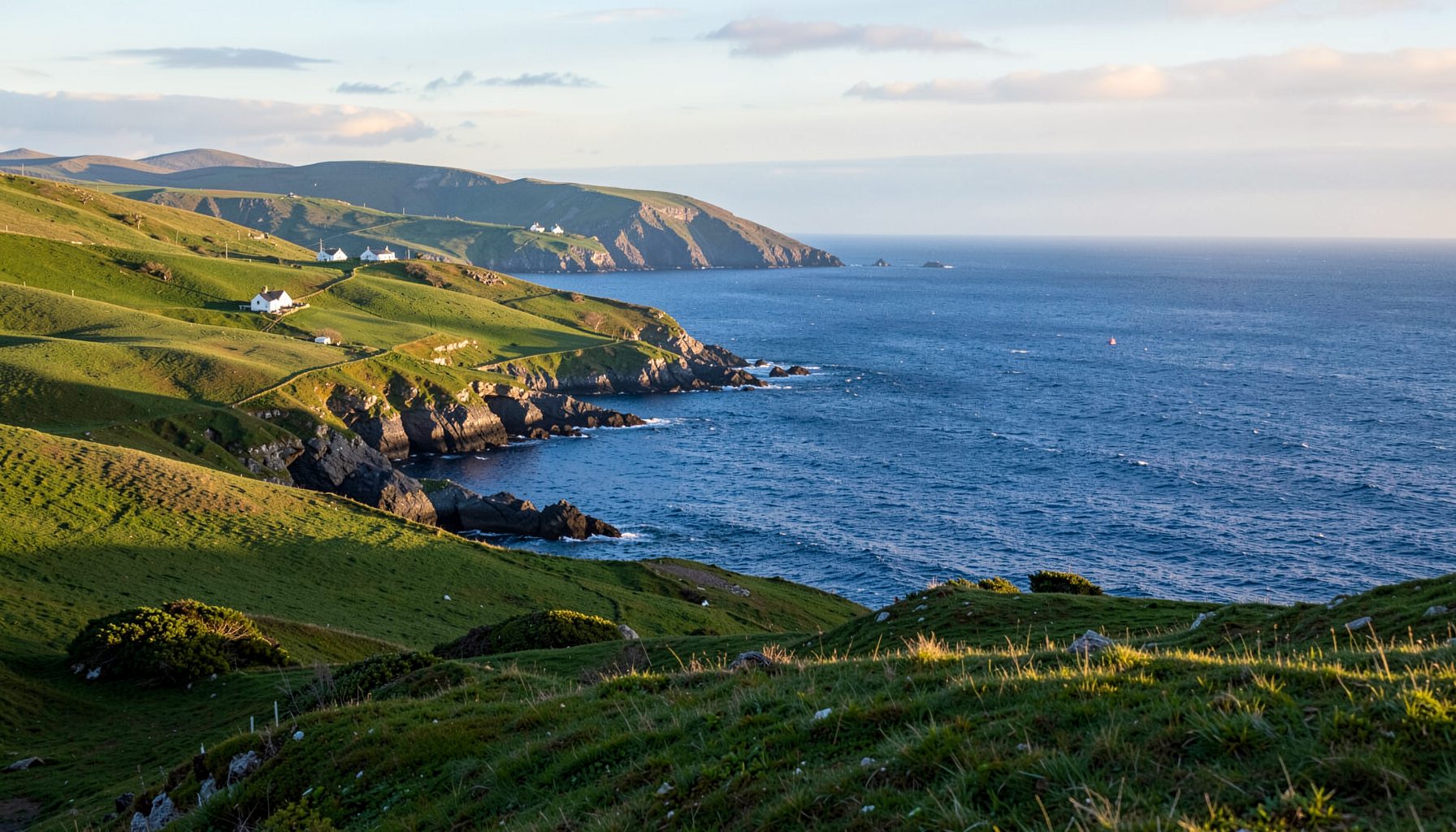
Where to spot seals along the Skellig Coast
The Skellig Coast offers some of Ireland’s most memorable wildlife encounters, and seals are among the easiest animals to look for. They may appear as dark heads rising between waves, pale bodies resting on rocks, or sleek shapes slipping through clear water near a harbour wall. Their presence adds a living dimension to the scenery around the Iveragh Peninsula.
Both harbour seals and grey seals occur around the south-west coast. Harbour seals are generally smaller, with rounded heads and a spotted coat, while grey seals have broader faces and a heavier build. At a distance, however, identification can be difficult, especially when an animal surfaces for only a few seconds.
The best viewing opportunities depend on tide, weather, light and patience. A quiet shoreline can be just as rewarding as a boat trip, particularly when visitors use binoculars and allow the animals to behave naturally. The following locations provide reliable starting points for a seal-watching day from Kells to Castlecove.
Valentia Harbour and the island shoreline
Valentia Harbour is one of the most accessible places to scan for marine life. The sheltered waters around Valentia Island, Reenard Point and the approaches to Knightstown can attract seals as they travel between feeding areas and resting rocks. Look across the water from quiet viewpoints rather than focusing only on the busy pier.
Early morning and late afternoon often provide softer light and calmer conditions for spotting movement. A seal may surface near a mooring, follow a tidal channel or rest on a low rock exposed by the falling tide. The harbour’s changing backdrop of boats, islands and mountain slopes makes even a brief sighting worthwhile.
Visitors should keep clear of narrow slipways and working harbour areas. A long lens or binoculars will reveal more detail than walking closer, and it is worth checking the water repeatedly because seals can disappear for several minutes before resurfacing.
Portmagee and the approaches to the Skellig Islands
Portmagee is a natural base for exploring the waters west of the mainland. Seals may be seen around reefs, small islands and tidal passages on the way towards the Skellig Islands, where exposed rocks provide resting places between dives. Sightings are never guaranteed, since animals move with food and tide, but the open-water journey gives visitors a broad area to observe.
Boat passengers should scan in every direction rather than watching only the islands ahead. Grey seals can be surprisingly difficult to notice among whitewater and dark rock, while harbour seals may show only a rounded head. The crew may also know traditional viewing areas, though responsible operators will avoid crowding wildlife or altering their route simply to create a close encounter.
A trip around the islands combines seal watching with views of dramatic cliffs, seabird colonies and historic monastic remains. Before setting out, it is useful to read about Skellig boat tours so that weather, timing, sea conditions and wildlife expectations are clear.
Ballinskelligs Bay and St Finan’s Bay
Ballinskelligs Bay provides several shore-based viewpoints, particularly around beaches, rocky edges and the coast near the old abbey. Seals sometimes pass through the bay while feeding, and distant animals can be easier to spot from elevated ground than from the water’s edge. The open sweep of the bay means that calm days offer the clearest views.
St Finan’s Bay, near the western side of the peninsula, is another place where a patient observer may see seals offshore. The coastline is exposed, so conditions can change quickly. On rough days, the safest and most productive approach is to watch from a firm viewpoint well back from the water rather than attempting to reach low rocks.
These bays are also valuable places to observe coastal habitats as a whole. Kelp beds, sand, reefs and tidal pools support fish and invertebrates that attract larger marine animals. A seal sighting is more likely when visitors spend time quietly reading the movement of the sea instead of moving rapidly from one viewpoint to the next.
| Location | Best viewing approach | What to expect |
|---|---|---|
| Valentia Harbour | Scan sheltered water from a quiet shoreline | Occasional harbour or grey seals near channels and rocks |
| Portmagee | Watch from a responsible boat operator or harbour viewpoint | Seals around reefs, islets and tidal passages |
| Ballinskelligs Bay | Use elevated shore viewpoints and beaches | Distant animals crossing open water |
| St Finan’s Bay | Observe from safe ground in settled weather | Brief sightings in a rugged, exposed setting |
| Derrynane and Castlecove | Check coves, headlands and offshore rocks | Possible seals, especially with calm water and good visibility |
Derrynane, Castlecove and the eastern coastline
The coast around Derrynane contains a mixture of sandy beaches, rocky points and sheltered coves. Seals may appear offshore or near small islands, particularly when the water is calm enough to distinguish a moving head from floating seaweed. Derrynane’s varied shoreline makes it suitable for a relaxed wildlife walk, though visitors should keep dogs under control and avoid disturbing resting animals.
Further west, Castlecove offers another chance to watch the water from the Ring of Kerry coastline. Headlands can provide a wider field of view, while coves may reveal animals closer to shore during a rising or falling tide. A seal could be present without making much noise, so slow observation is more effective than expecting an obvious splash.
The landscape also includes cliffs and uneven ground. Stay on marked paths where available, keep away from unstable edges and avoid climbing down to isolated rocks. Coastal wildlife is best enjoyed when people remain safe and leave the shore exactly as they found it.
How to identify and watch seals responsibly
A seal’s head may look like a smooth stone until it moves. Harbour seals often have a rounded profile and a smaller, more delicate appearance. Grey seals tend to show a longer muzzle, heavier neck and larger body, though young grey seals can look very different from adults. Colour varies considerably, so shape and behaviour are more dependable clues than coat shade.
Look for repeated surfacing in one area, ripples moving against the tide or a body lying lengthways on a rock. Avoid assuming that every dark shape is an animal; kelp, driftwood and wet stones can appear surprisingly lifelike through binoculars. Taking a photograph from a distance is preferable to approaching for a better image.
Good wildlife etiquette is simple:
- Keep well back from seals on beaches, rocks or ledges.
- Never surround, feed, touch or attempt to move a seal.
- Keep dogs close and prevent them from chasing animals.
- Avoid loud noise, drones and sudden movements near resting sites.
- Contact a local wildlife rescue organisation if a seal appears injured, rather than handling it.
A seal resting alone is not automatically abandoned. Mothers may leave pups while feeding, and young animals can spend time on shore as part of normal behaviour. Unnecessary intervention can create greater danger, so observations should be reported only when there are clear signs of injury or immediate risk.
Choosing the right time for a coastal wildlife walk
Tides influence how much shoreline is exposed and how seals move between feeding and resting areas. A falling tide may reveal animals on rocks, while a rising tide can bring them closer to bays and channels. Tide tables are useful, but conditions should always be considered alongside wind, swell and visibility.
Calm weather makes identification easier, although seals can be seen in many conditions by experienced observers. Low sun may create glare on the sea, while mist can conceal offshore rocks completely. Carry warm layers and waterproof clothing even during summer, because exposed headlands can feel much colder than inland villages.
Allow more time than a quick stop between attractions. Ten quiet minutes may produce nothing, followed by a sudden sighting that lasts only a few breaths. Combining seal watching with a visit to a beach, heritage site, learning hub or coastal walking route makes the day rewarding regardless of wildlife luck.
Make a respectful wildlife day of it
Plan around a safe viewpoint, check local conditions and bring binoculars if you have them. Whether you watch from Valentia Harbour, scan the bays near Ballinskelligs or travel by boat from Portmagee, the strongest encounters come from giving wildlife space and allowing the coast to set the pace.
Share sightings responsibly by describing the location without encouraging crowds to gather around a resting animal. Support local operators, community initiatives and conservation-minded visitor practices, then leave the shoreline quiet enough for the next seal to surface.