Boating tours around the Skellig Islands: what to know
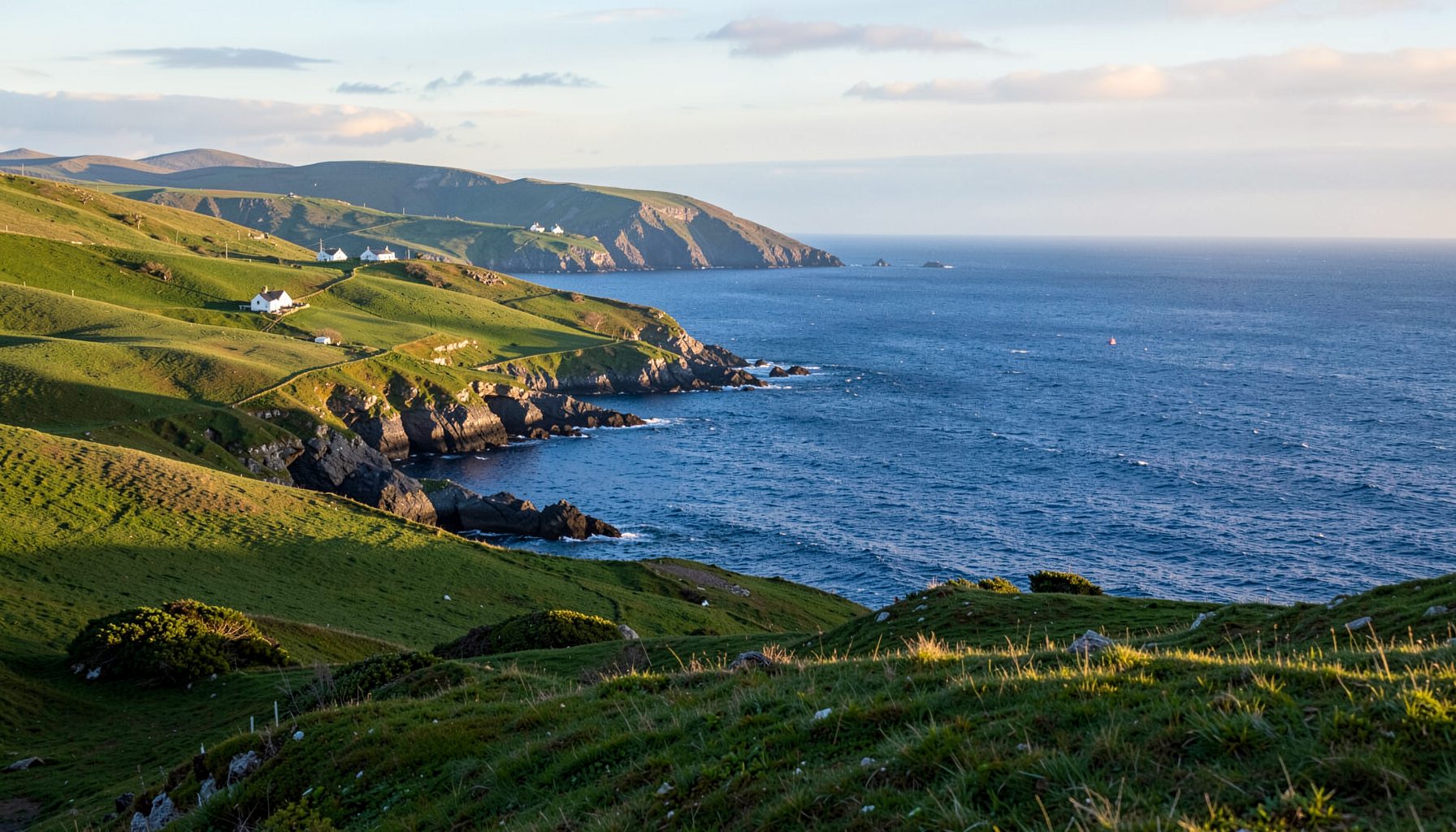
The Skellig Islands rise from the Atlantic Ocean off the Iveragh Peninsula, west of Valentia Island and the village of Portmagee. Their steep cliffs, monastic ruins and exposed location make a boat trip very different from a conventional sightseeing cruise. The journey is part of the experience, with open sea, changing light and views of the Kerry coastline shaping the day.
Most visitors choose between a sightseeing voyage around the islands and a landing trip to Skellig Michael, also known as Great Skellig. Both options offer remarkable scenery, yet they involve different schedules, weather limits and access arrangements. Understanding that distinction will help you choose a suitable excursion and plan your time around the Skellig Coast.
The islands are a protected cultural and natural site, as well as a UNESCO World Heritage Site and a filming location associated with the Star Wars series. Operators, heritage staff and local communities work within strict environmental and safety requirements, so a flexible attitude is essential.
Choosing between a landing and a sea safari
A landing tour includes a boat journey to Skellig Michael and time ashore near the early Christian monastery. Visitors climb hundreds of uneven stone steps towards the beehive cells, with no handrail on some exposed sections and little shelter from wind or rain. The landing is physically demanding and is not suitable for everyone.
A boat tour that circles the Skelligs does not land passengers. Instead, the vessel approaches the cliffs and sea stacks, allowing passengers to see the monastic site, lighthouse, caves and nesting ledges from the water. This option is often better for families with young children, people with limited mobility or anyone who prefers a shorter and less strenuous visit.
Some excursions focus on wildlife and coastal scenery rather than the islands alone. Depending on the season, passengers may see gannets, puffins, fulmars, guillemots, razorbills, dolphins or whales. Sightings are never guaranteed, because wildlife remains wild and sea conditions affect how long a boat can remain in one area.
Departure points and the route offshore
Portmagee is the best-known departure point for Skellig boat trips and is closely connected with Valentia Island by bridge. The harbour has a strong maritime identity, local cafés and visitor facilities, making it a practical base for an early departure. Some operators use nearby harbours or offer different routes, so the advertised meeting point should be checked carefully.
The crossing to the Skellig Islands takes place in exposed Atlantic waters. Boats usually pass along part of the coast before heading west, and the route may provide views towards Bray Head, Beginish Island, Valentia Island and the mainland cliffs. The exact sailing time depends on the vessel, sea state and whether the trip includes a landing or a wildlife circuit.
Arriving early is sensible, particularly during the busy summer period. Parking, harbour access and check-in arrangements vary between operators. A scheduled departure may be cancelled or delayed if the sea is unsafe, even when conditions appear calm in a sheltered village.
| Trip type | What it usually includes | Main considerations | Suitable for |
|---|---|---|---|
| Skellig Michael landing | Crossing, controlled landing and time to climb towards the monastery | Strict capacity, steep steps, weather-dependent landing and limited facilities | Fit visitors comfortable with heights and uneven ground |
| Island sightseeing cruise | Close views of Skellig Michael and Little Skellig without going ashore | Sea spray, photography from a moving boat and no landing access | Most visitors, including those seeking a less strenuous experience |
| Wildlife and coastal cruise | Search for seabirds, dolphins, whales and coastal scenery | Sightings vary by season and cannot be promised | Nature enthusiasts and families |
| Private or small-group charter | A more flexible route, subject to local rules and skipper judgement | Usually higher cost and still governed by weather and conservation limits | Groups wanting a tailored experience |
Weather, sea conditions and cancellations
The Atlantic weather around the Skellig Islands can change rapidly. Wind, swell, fog and rain may develop after a calm morning, while bright sunshine can make the sea look deceptively gentle from land. The skipper’s decision is final because the islands have no sheltered landing beach and the approach requires careful manoeuvring.
Landing trips are particularly sensitive to swell. A boat may sail offshore but be unable to put passengers ashore safely. In some cases, an operator will provide a sea tour instead; in others, the trip may be postponed or cancelled. Ask about the operator’s cancellation and refund policy before paying, and leave room in your itinerary for a replacement date.
Motion sickness is worth considering even for people who rarely feel unwell on ferries. Sit where the vessel moves least, look towards the horizon, avoid heavy meals before departure and follow medical advice about suitable remedies. Warm layers and waterproof clothing remain useful in summer because wind chill can be strong offshore.
What a Skellig Michael landing involves
The monastic settlement on Skellig Michael is reached by a narrow, historic path that climbs from the landing area. The ascent is rewarding but demanding, and visitors need steady footwear, balance and confidence on uneven steps. There are no shops, cafés or conventional visitor facilities on the island, so every passenger must arrive prepared.
Landing places are controlled through a permit system and daily visitor limits. A sightseeing boat cannot simply decide to let passengers ashore, and a landing ticket does not guarantee access if the sea becomes unsafe. Only authorised operators can provide the relevant arrangements, so visitors should confirm that a proposed trip is a genuine landing excursion rather than a scenic cruise.
The island’s archaeology is fragile. Touching the stone structures, leaving marked routes or removing natural and historic material can cause lasting damage. Follow instructions from the boat crew and heritage personnel, keep clear of restricted areas and take all personal waste back to the mainland.
The connection with Star Wars has brought additional attention to the site, but the monastery predates the films by many centuries. Treating Skellig Michael primarily as a living heritage landscape gives the visit greater context and respect.
Wildlife and conservation at sea
Little Skellig is one of Ireland’s most important seabird colonies, with dense nesting ledges that can appear white from a distance. Gannets are especially prominent, while other species use the cliffs and surrounding waters during the breeding season. Boats must keep to responsible viewing practices and avoid unnecessary disturbance.
The waters around the islands also attract dolphins, porpoises, basking sharks and occasional whales. Wildlife may surface beside the boat or remain unseen below it, so patience is more valuable than expecting a guaranteed encounter. A reputable crew will explain its approach to distance, speed and animal behaviour.
The islands are exposed to natural erosion, seabird pressures and visitor impact. Passengers can support conservation by following crew instructions, avoiding loud behaviour near nesting birds and carrying reusable water containers where practical. Binoculars can provide excellent views without encouraging boats to approach too closely.
A practical packing list for the crossing
The right equipment makes the journey more comfortable and helps visitors stay safe around the harbour, boat and island path.
- Wear layered clothing, including a warm mid-layer and a waterproof outer shell.
- Choose sturdy, closed-toe footwear with reliable grip; smooth fashion trainers are unsuitable for the landing steps.
- Bring water, a small snack, sunscreen, sunglasses and a hat secured against wind.
- Pack medication for seasickness if appropriate, along with any essential personal medication.
- Use a small waterproof bag or phone pouch for cameras, documents and other valuables.
Large luggage is inconvenient on a small vessel and may not be accepted. Keep belongings compact, secure loose straps and protect cameras from spray. A charged phone is useful, but mobile coverage may be limited offshore, so it should not be treated as the only emergency resource.
Visitors with mobility, balance, hearing or medical concerns should speak with the operator before booking. A landing trip can involve transferring between vessel and steps, climbing an exposed route and managing changing weather. A scenic cruise may provide a more comfortable way to experience the islands without compromising the views.
Planning a responsible day on the Skellig Coast
Use an authorised local operator with a clear safety briefing, stated departure location and transparent explanation of whether the trip includes a landing. Read the conditions carefully rather than assuming that every Skellig boat tour offers the same experience. The community information points around Portmagee, Valentia Island and the wider Skellig Coast can also help visitors understand local heritage and practical arrangements.
Allow time before and after the excursion instead of connecting it tightly to another booking. A delayed sailing, weather cancellation or slower return can affect road journeys across the peninsula. The route to the coast is scenic but includes narrow and winding roads, particularly away from the main villages.
Respect the harbour, coastline and communities that support access to the islands. Keep vehicles clear of working areas, follow parking instructions and spend time in local cafés, shops, museums or cultural initiatives where possible. A boating excursion becomes more meaningful when it forms part of a wider visit to the heritage and landscape of the Iveragh Peninsula.
Check current sailing schedules, landing availability, safety requirements and weather updates directly with authorised operators before travelling. Then set out with realistic expectations: the Skellig Islands offer extraordinary scenery, but the sea decides how much of that experience can safely be reached. Explore the Skellig Coast’s local history, villages and outdoor attractions to make the most of your time before or after the boat leaves Portmagee.