A Guide To The Wildflowers And Coastal Flora Of The Skellig Coast
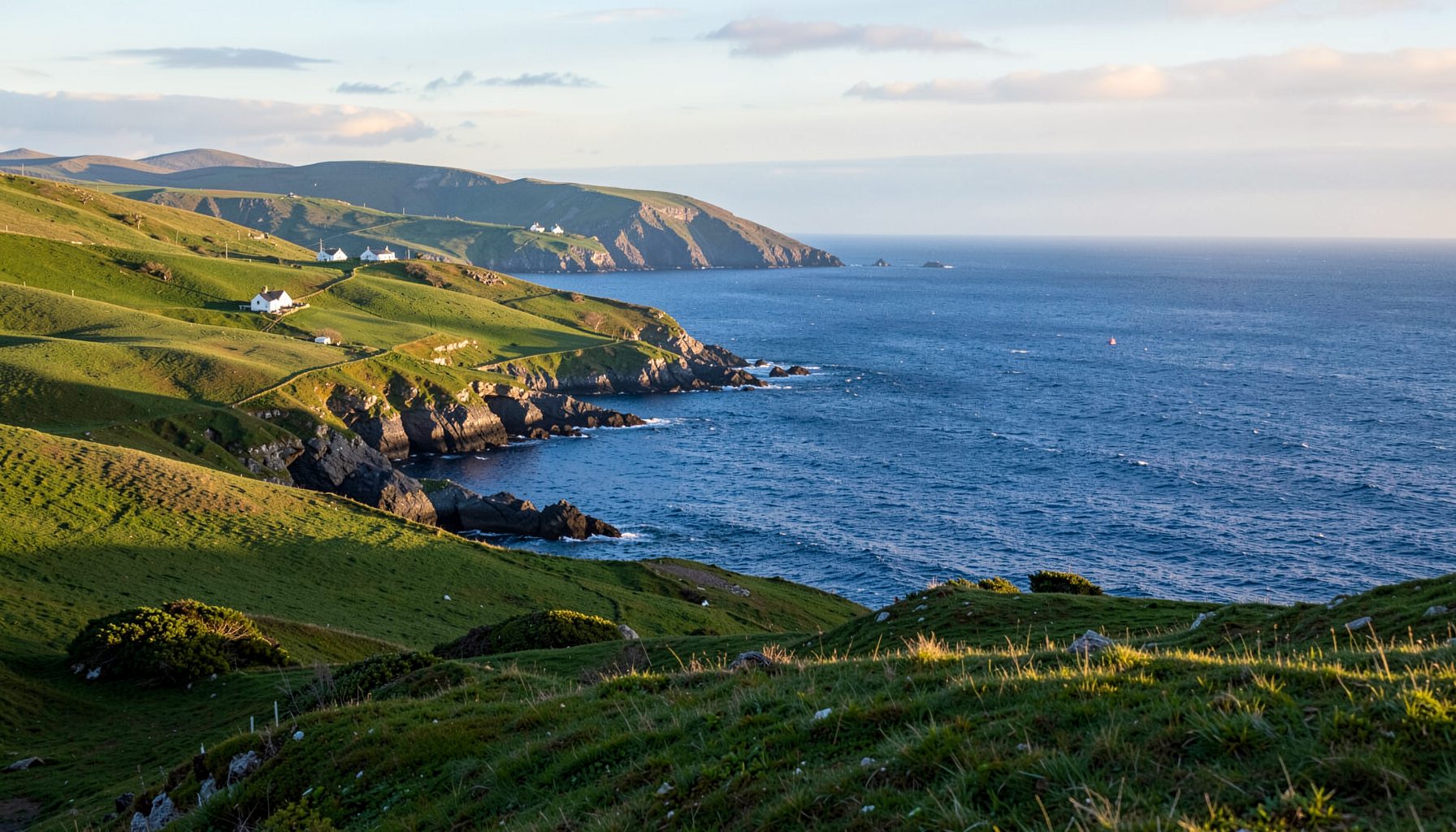
Along the Iveragh Peninsula, the landscape can change from salt-sprayed cliff to damp bog, sheltered lane and rough pasture within a short walk. The Skellig Coast, stretching from Kells towards Castlecove, is especially rich in plants shaped by Atlantic wind, rain, thin soils and centuries of grazing.
For visitors from Australia, the seasons may take a little recalibration. Ireland’s main wildflower displays arrive during the warmer months of April to August, while Australia is moving from autumn into winter and then spring. The best approach is to slow down, look closely and treat the coast as a living community rather than a collection of scenic backdrops.
Reading The Coastal Landscape
The flora of the Skellig Coast is easiest to understand as a series of overlapping habitats. Sea cliffs support plants that tolerate salt, exposure and very little soil. Inland hollows hold rushes, bog moss and heathers, while old roadsides and field margins offer primroses, foxgloves, cow parsley and bluebells.
Weather is part of the botanical experience. A bright morning can give way to mist, and rain can make colours appear unusually vivid. Atlantic cloud also softens the light, allowing the yellow of gorse, the purple of heather and the white heads of sea campion to stand out without the harsh contrast familiar on an Australian summer walk.
Many plants are small and close to the ground. Bring patience rather than expecting great banks of flowers at every turn. A hand lens, a phone identification app used carefully, and a simple notebook can reveal details that are easily missed from a moving car or busy viewpoint.
Plants Of The Sea Cliffs
Cliff edges and rocky shorelines are difficult places for plants, yet several species are well adapted to them. Thrift forms neat cushions of pink flowers, especially in short turf above the sea. Sea campion has pale, inflated flowers, while sea plantain and buckshorn plantain cope with wind and salt in exposed grassland.
Rock samphire may appear in cracks and ledges where moisture collects. Its fleshy leaves help it manage dry, salty conditions, and it has long been associated with rocky coasts. Sea beet, with its glossy leaves, is another useful plant to notice near the shore, although it is more commonly found in suitable sheltered coastal niches than on the most exposed cliff tops.
Look without stepping beyond fences or approaching unstable edges. The cliffs around the Skellig Coast are habitat for nesting seabirds as well as fragile plants. Even a small shortcut across cliff-top turf can damage slow-growing vegetation and loosen the soil beneath it.
Heaths Bogs And Headlands
The moorland behind the coast brings a different palette. Bell heather, ling heather and cross-leaved heath can create purple and rose tones across upland ground, while western gorse adds bright yellow flowers and a strong coconut-like scent on warm days. Gorse can bloom for much of the year, although its main displays vary with weather and location.
Bog cotton is recognisable by its soft white seed heads, particularly in wet ground. Sundews may be found in suitable bog habitats, where their glistening leaves trap tiny insects. Tormentil, with its small yellow flowers, is another modest but characteristic plant of acidic grassland and heath.
These places may look open and empty, but they are ecologically busy. Peatlands store water and carbon, provide habitat for specialist plants and influence the condition of streams flowing towards the coast. Keep to established paths where possible, especially after heavy rain when the surface is easily churned.
Meadows Lanes And Stone Walls
Sheltered fields and roadside verges often provide the most familiar wildflower encounters. Primrose and lesser celandine brighten damp banks early in the year, followed by bluebells, stitchwort, buttercups and cow parsley. Foxgloves rise above rough grass later in the season, often beside woodland edges or old walls.
The stone walls of the peninsula are more than picturesque boundaries. Their crevices offer pockets for mosses, lichens, ferns and small flowering plants, while the wall tops may support grasses and hardy herbs. Ash, hazel, holly and willow can create shaded lanes where the vegetation feels markedly cooler than the exposed headland.
This mix can remind Australian visitors of walking near the Great Ocean Road, the Otways or the Blue Mountains, but the plant communities are distinctly Atlantic. Irish bluebells and Australian bushland flowers should not be treated as interchangeable, and a local guidebook will help distinguish native species from garden escapes and introduced plants.
A Seasonal Field Guide
Flowering times shift with altitude, shelter and the arrival of cold or wet weather. The following guide gives a broad sense of what to look for rather than a fixed timetable.
| Period | Coastal and upland plants to notice | Typical habitats |
|---|---|---|
| March–April | Primrose, lesser celandine, gorse, early sorrel | Lanes, banks, rough pasture |
| May–June | Thrift, sea campion, bluebell, stitchwort, hawthorn | Clifftops, woodland edges, stone walls |
| June–July | Foxglove, tormentil, buttercup, heathers beginning to flower | Meadows, heath and bog margins |
| July–August | Ling heather, bell heather, bog cotton, yarrow | Moorland, peatland and open grass |
| September–October | Late gorse, yarrow, red campion and seed heads | Verges, fields and sheltered coast |
Spring and early summer generally offer the strongest variety, with May and June often rewarding visitors who want both coastal plants and woodland colour. By late summer, flowering may be less concentrated, but seed heads, grasses and changing bracken create texture that is excellent for close observation and photography.
For Australians planning around school holidays, the timing can be counterintuitive. July in Ireland is high summer and may coincide with longer daylight, while July in Melbourne, Hobart or Canberra is winter. A trip organised around European summer should include waterproof layers and flexible walking plans rather than relying on Australian beach-weather expectations.
Photographing Flowers And Coastal Flora
Soft, overcast light is often ideal for wildflower photography. It reduces glare on wet leaves and brings out subtle differences between pink thrift, pale sea campion and purple heather. A macro setting or close-focusing lens can capture texture, while a wider shot places the plant within its setting of cliff, sea, wall or bog.
The Skellig Coast also offers dramatic perspectives for landscape images. Those planning to photograph the islands can use this guide to find photography spots, then look beyond the famous view for the foreground details that make a place recognisable: wind-shaped grass, lichen-covered stone and flowers growing in the lee of a wall.
Avoid picking plants, moving stones or arranging stems for a photograph. Keep camera straps and tripods away from narrow paths, and never kneel on a patch of flowers when a bare section of ground is available. A few minutes spent observing from the path will produce a more honest record of the coast.
Walking With Care
Responsible flower watching is straightforward when the landscape is treated as shared habitat. Farm animals, nesting birds, insects and local residents all use the same routes. Gates should be left as they are found, dogs kept under control and private land respected, even when an especially attractive flower display lies beyond a wall.
Useful habits for a low-impact visit include:
- Stay on marked paths and firm ground, particularly across boggy or cliff-top areas.
- Photograph flowers in place rather than picking, transplanting or trampling them.
- Avoid disturbing nesting birds and keep well back from cliff edges.
- Carry water, waterproof clothing and a charged phone, since weather and signal can change quickly.
- Check local access information before setting out, especially for boat trips or protected sites.
The same courtesy applies at Skellig Michael and other heavily visited landmarks. The island’s cultural importance and wildlife value demand careful movement, quiet observation and attention to any seasonal restrictions. Wildflowers are part of the heritage of the coast, alongside monastic remains, field systems, fishing traditions and community knowledge.
Building A Flora-Focused Visit
A good outing does not need to cover a long distance. A short village walk, a coastal viewpoint near Castlecove or a lane around the Kells area can reveal several habitats in one morning. Local information hubs, heritage initiatives and community events may also provide context that a standard scenic drive cannot offer.
Visitors travelling from Australia should allow extra time for transport and weather. The region is not a theme-park circuit with every attraction operating to the same timetable; seasonal boat services, road conditions and local opening hours can influence the day. This is especially relevant for travellers connecting through Dublin, Cork or Kerry Airport before continuing west.
Pack binoculars for the seabirds, a small field guide, sturdy walking shoes and a rain jacket that is genuinely waterproof. “No worries” is a useful Australian attitude, but on the Skellig Coast it works best when paired with checking the forecast, respecting local advice and accepting that mist may become part of the experience.
Wildflowers make the Skellig Coast more than a scenic route. They connect the Atlantic shore to bog, farm, woodland and village, giving each walk a changing botanical character. Use the seasons as a guide, walk lightly and let the plants remain where they belong while you build your own record in photographs and memories. Explore the community stories and local information on Skellig Coast before setting out, and make the flora part of a thoughtful journey through one of Ireland’s most distinctive landscapes.