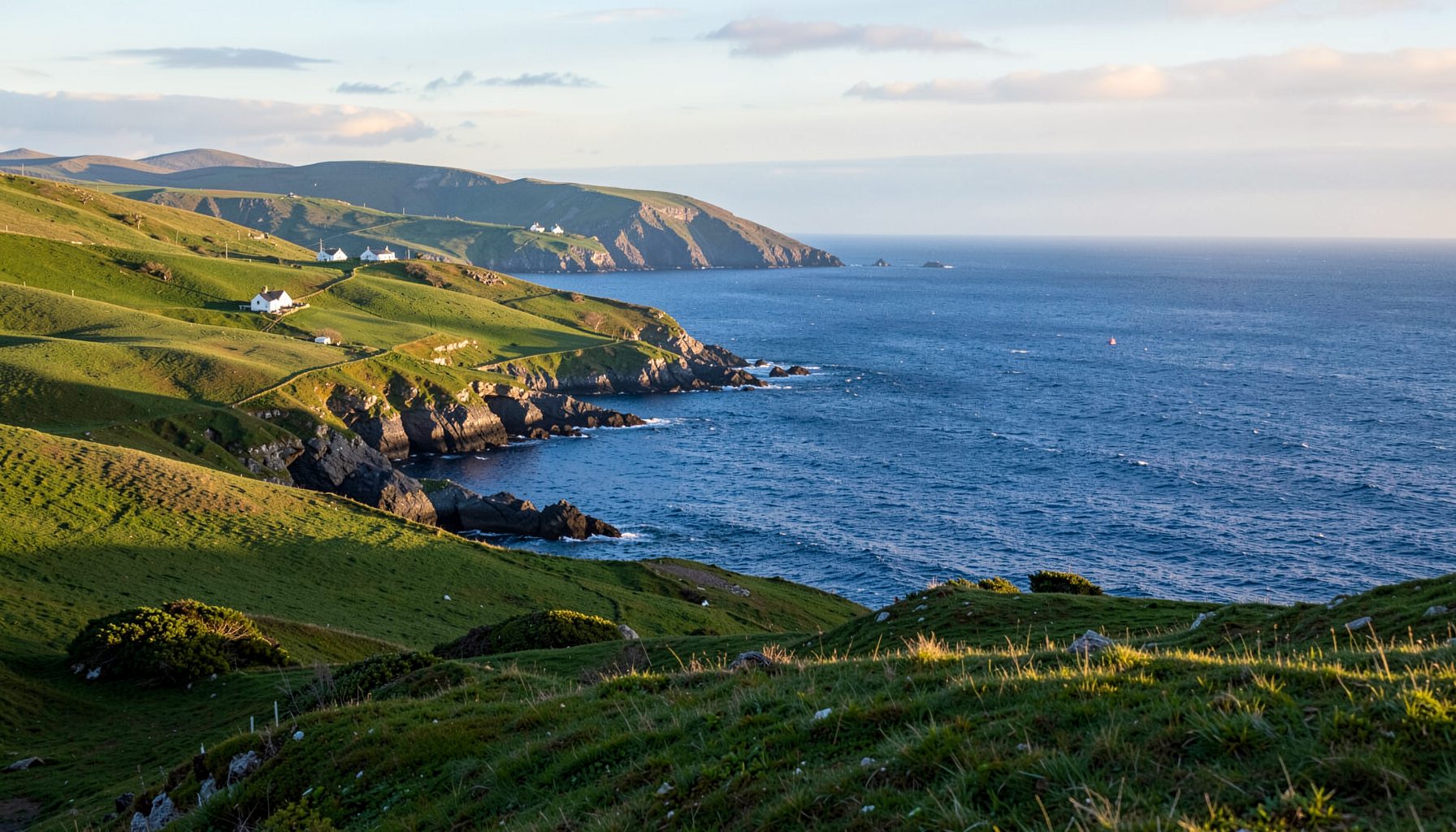
A Seafood Trail From Kells To Castlecove
Along the southern edge of the Iveragh Peninsula, seafood is closely tied to place. The Atlantic, sheltered bays, rocky inlets and working harbours all influence what appears on a plate, while local cafés, pubs and hotel dining rooms give the catch a distinctly West Kerry setting. A bowl of chowder here may be creamy and thick, or light enough to let smoked fish, mussels and herbs stand out.
For visitors from Australia, the experience is less like choosing between a large seafood market and a modern waterfront restaurant in Sydney or Melbourne, and more like following a coastal food trail through small communities. Menus change with landings, weather and opening hours, so the most rewarding approach is to allow time, ask what is fresh and treat each village as part of the story.
Local Waters Shape The Menu
The seafood of the Skellig Coast reflects the meeting of open Atlantic water with quieter coves. Cod, hake, pollock, mackerel and haddock may appear alongside mussels, crab, prawns and smoked fish. Local menus often use familiar ingredients in unfussy ways: grilled fillets with potatoes, fish served in a crisp coating, or shellfish added to a rich soup.
Chowder is especially suited to this landscape. It is warming after a windy walk, filling enough for lunch and flexible enough to use different catches across the year. Some kitchens build it around cream and potato, while others rely on stock, leeks, celery and herbs. A generous portion of brown bread is usually part of the experience, providing a useful contrast to the soup’s softness.
The coastal environment matters beyond the menu. The peninsula’s bogs store water, support distinctive habitats and influence how people understand the wider landscape; the coastal bog ecology is a useful companion topic when considering the relationship between land, sea and community.
Kells And Glenbeigh For A Gentle Start
Kells is a practical place to begin a seafood-focused drive. Its coastal setting and proximity to the wider Ring of Kerry make it suitable for a relaxed stop rather than a rushed meal between major attractions. Look for cafés, pubs and small restaurants that feature soup, fish cakes, smoked salmon, crab dishes or a daily catch board.
The character of dining here is often informal. A visitor may find a chowder at lunchtime, followed by tea and something sweet, while evening service can be more limited outside the busiest season. Calling ahead is sensible, particularly if travelling with children or arriving after a long walk. In small communities, the kitchen may close earlier than an Australian visitor expects.
Glenbeigh and the nearby coast can work well as part of the same day. Fish and chips, seafood sandwiches and simple grilled dishes suit travellers who want a quick meal before continuing along the peninsula. Australian visitors accustomed to late dining in Brisbane or Melbourne should plan around Irish meal times, with lunch commonly taken earlier and dinner service often beginning around 5.30 or 6 pm.
Cahersiveen Brings Harbour Character
Cahersiveen has the feel of a local service centre as well as a base for exploring the coast. That gives it a wider range of places to eat than a smaller village, including cafés for daytime chowder, traditional pubs and restaurants where seafood may appear as a starter or main course.
A good way to read a menu is to look for the source and preparation rather than simply choosing the most elaborate description. A dish mentioning local crab, smoked mackerel or mussels offers a clearer sense of the region than a generic “seafood medley”. Ask whether the fish is landed locally, what was delivered that morning and whether the chowder contains shellfish for anyone with allergies.
Cahersiveen is also a useful place to stock up on provisions for a scenic lunch. A bakery roll, fruit, cheese and a portion of prepared seafood can be practical for a picnic, provided food is kept cool and rubbish is carried out. Australian travellers may be used to grabbing supplies at a large Woolworths or Coles before a road trip; here, independent shops and smaller opening windows require a little more planning.
Waterville And The Atlantic View
Waterville is strongly associated with the ocean, long views and outdoor activity, making it a natural stop for seafood. Restaurants and pubs in the village commonly serve fish in familiar forms, while cafés can provide soup and sandwiches for visitors moving between walks, beaches and heritage sites. Views are part of the appeal, but the quality of the catch and the care taken in the kitchen matter just as much.
This is a place to compare styles of chowder. One bowl may contain visible pieces of white fish and potato in a creamy base; another may have smoked notes, herbs or a stronger stock. Neither is automatically more authentic. Irish chowder has room for regional variation, and the best version is usually the one made with fresh ingredients and served hot without overwhelming the seafood.
Weather can change quickly along the coast, even during the months when Australian visitors expect summer conditions. An Australian summer escape falls during Ireland’s colder, darker winter, when some seasonal businesses reduce hours. In July and August, longer daylight makes it easier to combine a late coastal walk with dinner, though popular places can still fill quickly.
Caherdaniel To Castlecove On The Southern Coast
Further south, Caherdaniel and Castlecove offer a quieter dining rhythm. The area is well suited to travellers who want to combine seafood with beaches, stone monuments, gardens and coastal scenery. Rather than expecting a dense restaurant strip, look for food at local pubs, cafés, guesthouse dining rooms and businesses serving visitors during the main season.
Seafood here is best approached with flexibility. A menu may change according to deliveries, and a promised fish special can disappear when weather prevents boats from going out. That is part of the coastal reality, not a service failure. If fresh fish is unavailable, a well-made chowder, smoked seafood plate or vegetarian dish can still provide a strong sense of place.
Cove and beach environments also call for care. Do not collect living shellfish, disturb rock pools or leave food packaging behind. The area’s appeal depends on healthy shorelines, clean water and communities that can manage visitor pressure. A meal should be part of responsible exploration, alongside staying on marked paths and respecting private land.
How To Choose A Memorable Bowl
When ordering chowder, check the portion size and ingredients if you are planning another meal later in the day. A bowl can be substantial, particularly with bread, and may be enough for lunch after a coastal walk. Some restaurants offer seafood soup as a starter, which is useful when the main course is grilled fish or a shared plate.
Texture is a helpful guide. Potato should provide body without turning the soup into mash, while fish should remain recognisable rather than disappearing into the broth. Mussels, prawns or crab can add sweetness, and smoked fish can bring depth. A little pepper, parsley or chive often provides balance without masking the Atlantic flavours.
For Australian diners, the closest comparison may be a generous seafood bisque crossed with a hearty winter soup, but Irish chowder is generally more rustic. It is not designed to imitate a Sydney harbour seafood platter or the polished presentation found at Melbourne’s Queen Victoria Market. The appeal lies in warmth, freshness and the connection between the bowl and the weather outside.
Planning A Seafood-Focused Day
A little preparation makes the route more enjoyable, particularly outside July and August. Keep these practical points in mind:
- Check opening days, kitchen hours and seasonal closures before setting out.
- Carry a light layer and rainproof jacket, even on a bright morning.
- Ask about allergens, especially shellfish, dairy and gluten in bread or thickened soup.
- Keep a small amount of cash available, while remembering that card payment is common.
Build the day around the communities rather than trying to collect every stop. A considered route might look like this:
- Start with a morning walk near Kells before a substantial lunch.
- Use Cahersiveen for provisions, a café stop or an early dinner.
- Continue towards Waterville, Caherdaniel or Castlecove for scenery and a slower evening meal.
Australian visitors should also account for distances that look short on a map but take time on narrow, winding roads. Driving is on the left, as in Australia, yet rural lanes can be much tighter than roads around Adelaide, Perth or Canberra. Allow space for cyclists, farm vehicles and photo stops, and avoid planning a tightly timed seafood reservation after a long scenic drive.
The local market is smaller and more seasonal than the seafood halls many Australians know from Sydney Fish Market or Melbourne’s Queen Victoria Market. That makes the food trail feel personal, but it also means a restaurant may have only a few seafood choices on a given day. The reward is a menu shaped by the coast rather than by year-round uniformity.
Use the Skellig Coast as a guide to the villages, heritage places and community activities that surround these meals. Check local updates before travelling, choose independent businesses where possible and leave enough time to enjoy the coast between one bowl of chowder and the next.