Ghost Stories And Folklore Along The Skellig Coast
From Kells to Castlecove, the Skellig Coast carries stories shaped by cliffs, islands, bogs, storm seas and generations of conversation. Some are supernatural tales involving spirits, fairies and enchanted places; others are local memories that have gathered a mysterious atmosphere over time. The distinction between history and folklore is often deliberately blurred, because a good coastal story is valued for the feeling it creates as much as for its factual accuracy.
For visitors from Australia, the tradition may feel familiar. A yarn told beside a campfire, a family warning attached to a particular creek, or a ghost story connected with an old pub can all turn ordinary landscapes into places with personality. Irish storytelling has its own language and customs, yet it shares that Australian pleasure in a well-told tale, especially when the weather turns wild and the nearest road seems a long way away.
Why The Landscape Creates Legends
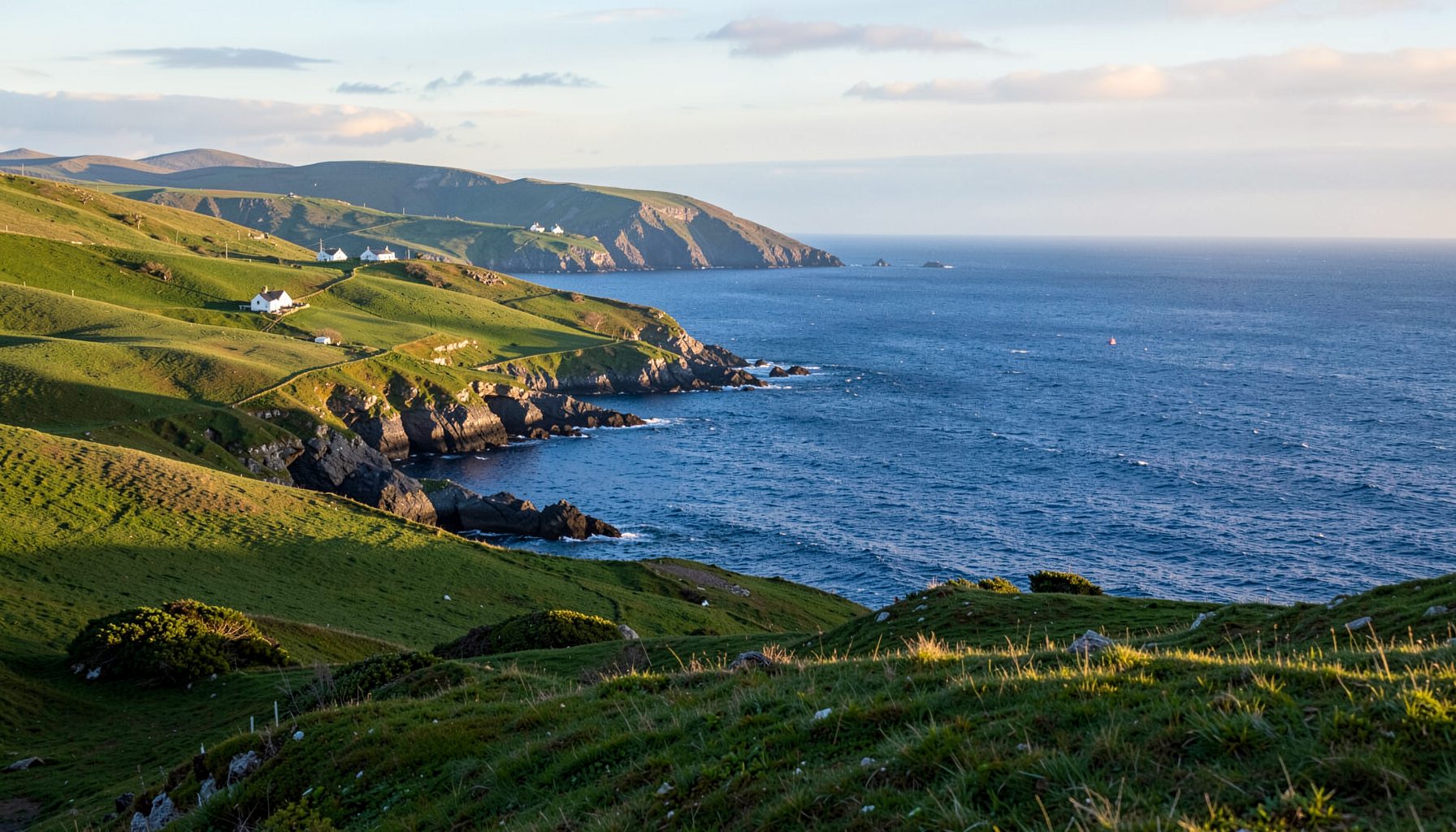
The Iveragh Peninsula is an ideal setting for folklore. Headlands disappear into mist, narrow roads pass stone walls and abandoned cottages, and the Atlantic can change from calm to dangerous within hours. At night, distant lights on the water may be fishing boats, ferries or reflections, but traditional stories give them other possibilities: phantom vessels, wandering souls or signals from an unseen shore.
The Skellig Islands add another layer of mystery. Skellig Michael’s early Christian monastery, steep stone steps and exposed position have encouraged stories about monks, pilgrims, miracles and supernatural protection. Its UNESCO World Heritage status records the importance of the site, while local storytelling preserves the emotional response people have to reaching such a remote place.
Folklore also grows around boundaries. A shoreline is where land meets sea, dusk is where day meets night, and a ruined building sits between human use and wilderness. These thresholds appear repeatedly in tales from Ballinskelligs, Portmagee, Valentia Island and the smaller settlements along the coast.
Fairies, Spirits And The Otherworld
Fairy folklore in Ireland is more complex than the cheerful figures found in children’s books. The sí or daoine maithe, often described as the “Good People”, are powerful inhabitants of an unseen world. Fairy forts, lone hawthorn trees, ring-shaped earthworks and unusual mounds may be treated with respect because disturbing them is believed to bring bad luck.
The banshee is another familiar figure in Irish supernatural tradition. Usually associated with a keening cry or mournful wail, she is often understood as a messenger connected with death rather than a creature that causes it. Stories differ between families and districts, and the account told in one village may be gentler or more unsettling than the version heard elsewhere.
The púca, or pooka, appears in many forms and can be mischievous, frightening or strangely helpful. It may be linked with a dark horse, a shape-shifting animal or a presence encountered on a lonely road. Such tales helped explain unexpected sounds, strange behaviour and the hazards of travelling after dark, particularly before modern lighting and reliable transport.
Sea Lore And Island Mysteries
Coastal communities have always needed stories to make sense of the sea’s risks. Fishermen, islanders and boat crews passed on warnings about sudden currents, hidden rocks, storms and dangerous passages. A tale about a ghostly light could preserve a practical memory of a wreck or a boat seen in bad weather, even when later listeners focused on the haunting.
Merrows, or merfolk, belong to a broad family of Irish sea legends. In some accounts they are beautiful and inviting; in others they are powerful beings whose world is unsafe for humans. These stories reflect both attraction to the ocean and a deep understanding of its danger. The sea offers food, work and travel, but it can also remove people without leaving an explanation.
| Folklore Theme | Common Setting | Recurring Meaning | Sensible Way To Hear It |
|---|---|---|---|
| Fairy forts and sacred trees | Fields, lanes and old farms | Respect for boundaries and inherited places | Treat sites carefully and avoid disturbing them |
| Banshee stories | Homes, villages and family traditions | Grief, warning and remembrance | Hear them as oral tradition rather than prediction |
| Phantom lights and boats | Headlands, beaches and harbours | The uncertainty of weather and navigation | Look for historical or natural explanations too |
| Púca encounters | Roads, bridges and isolated paths | Risk, mischief and travelling after dark | Stay safe and do not wander onto private land |
| Monastic legends | Skellig Michael and island ruins | Faith, endurance and the unknown | Follow heritage rules and local guidance |
The waters around Valentia, Portmagee and the Skelligs also carry stories of shipwrecks and lost sailors. A wreck may become a family memory, a local historical record and a ghost story at the same time. For an Australian audience, it may recall tales from Bass Strait, the NSW coast or the old shipping routes around Tasmania, where maritime folklore also grows from real danger.
Boglands, Ruins And Living Memory
The inland landscapes behind the coast are just as important as the ocean. Boglands can seem empty at first glance, yet they preserve archaeological traces, unusual plants, old paths and evidence of earlier ways of life. Their silence encourages imaginative stories, while their ecology gives a practical reason to move carefully and avoid treating every wet or remote place as a fictional wilderness. A useful companion is this guide to the bogland ecology, which places these landscapes in a living environmental context.
Ruined cottages, abandoned schoolhouses and old graveyards often attract ghost stories because they hold visible signs of change. A dark window or fallen roof can suggest a haunting, but it can also prompt questions about emigration, famine, economic hardship and the families who once lived there. The strongest local accounts usually retain both elements: atmosphere and memory.
When listening to stories about ruins, it is worth remembering that many places are privately owned, structurally unsafe or culturally sensitive. Folklore does not give permission to climb walls, enter buildings or remove stones. Respect for the physical location is part of respecting the story itself.
How Stories Travel Through Communities
Folklore is rarely fixed. One storyteller may place a púca near a bridge, while another remembers it on a hill road. A tale can move from a grandmother’s kitchen to a school project, a pub conversation, a community festival or a guided walk, gaining details as it travels. Variation does not necessarily weaken the story; it shows that the community is actively keeping it alive.
Irish storytelling also depends on tone. A pause, a lowered voice or a glance towards the dark window may matter as much as the words. Humour often sits beside fear, and a narrator may finish a frightening account with a practical comment about bad weather, too much drink or someone taking a shortcut where they should not have gone.
Visitors from Australia will recognise this social setting. Stories shared at a regional market, a community hall or a family gathering can create a local map that does not appear on road signs. Sydney’s historic Rocks district has its ghost tours, Melbourne has its laneway legends, and country towns across Australia preserve yarns about haunted hotels, phantom travellers and unexplained lights. The Skellig Coast’s difference lies in the particular blend of Gaelic tradition, Catholic memory, Atlantic weather and rural place-names.
Listening Respectfully Along The Coast
A respectful listener should approach folklore as cultural knowledge, creative storytelling and historical evidence in varying proportions. Some accounts may be clearly presented as legends, while others are connected to family history or community grief. Avoid dismissing a story as foolish, but also avoid presenting an unverified claim as established fact.
Visitors should be especially careful with sites associated with burial, religious practice or vulnerable heritage. Skellig Michael requires planning, appropriate clothing and compliance with access arrangements, while cliffs, bogs and isolated shorelines demand the same practical caution as remote coastal areas in Australia. Weather can change rapidly, and a dramatic story is no substitute for checking conditions.
Ways To Explore The Stories Thoughtfully
- Ask local guides, historians and community groups about the origin of a tale before repeating it.
- Learn the correct pronunciation of Irish place-names where possible, since names often preserve older meanings.
- Keep to public paths and respect gates, walls, farm animals, graves and archaeological features.
- Treat fairy trees, ringforts and monastic remains as heritage places rather than props for photographs.
- Compare supernatural explanations with natural causes such as fog, tide, wildlife, reflections and unusual acoustics.
- Record oral histories only with permission, especially when stories involve identifiable families or recent loss.
Markets and community events can be particularly good places to encounter living folklore, provided visitors listen rather than demand a performance. A stallholder selling crafts, a local musician or an older resident may share a story that is absent from formal tourism material. Buying locally made food or crafts also supports the people who help maintain the social fabric behind the stories, much as visitors to Australian farmers’ markets support regional producers.
Turning A Walk Into A Story
A folklore walk does not need staged scares. Begin in daylight and notice how the landscape changes around old roads, shorelines, bridges and settlements. Read about the place before arriving, then allow room for local interpretation. The aim is to understand why a story belongs there, not simply to collect the most frightening version.
At dusk, familiar details can become ambiguous: a curlew’s call may sound human, sea mist can hide a headland, and a distant boat light may appear to hover. This is part of the experience, but safety comes first. Carry a charged phone, tell someone your route, use a torch and avoid cliff edges or unmarked bog paths.
The finest ghost stories of the Skellig Coast remain connected to real people and real landscapes. They speak of grief, faith, work, weather, migration, danger and the need to explain what cannot easily be explained. Explore them through local heritage information, community events and responsible visits, and let the coast’s own voices guide the journey. Start with a village, a shoreline or a heritage site, then listen closely to the stories that still give that place its character.