A Guide to Food and Drink Festivals on the Skellig Coast
Food and drink festivals offer a lively way to experience the Skellig Coast beyond its dramatic scenery and famous heritage sites. From Kells to Castlecove, local gatherings connect visitors with farmers, fishers, bakers, cooks, craft producers, musicians and community groups across the Iveragh Peninsula.
These events are often rooted in place. A market may feature ingredients from nearby fields and waters, while a village celebration can bring together recipes, stories and customs that have been shared for generations. The atmosphere is usually informal, welcoming and closely tied to the rhythm of the seasons.
There is no single festival calendar that captures every food-related event in the region. Dates, venues and programmes can change from year to year, so use local community websites, social media pages, visitor information points and event notices to confirm details before travelling.
What Makes Local Food Celebrations Special
A Skellig Coast food festival is rarely limited to eating and drinking. Demonstrations, talks, tastings, craft displays, music and family activities frequently sit alongside the main programme. These additions help explain where local ingredients come from and why certain products matter to the community.
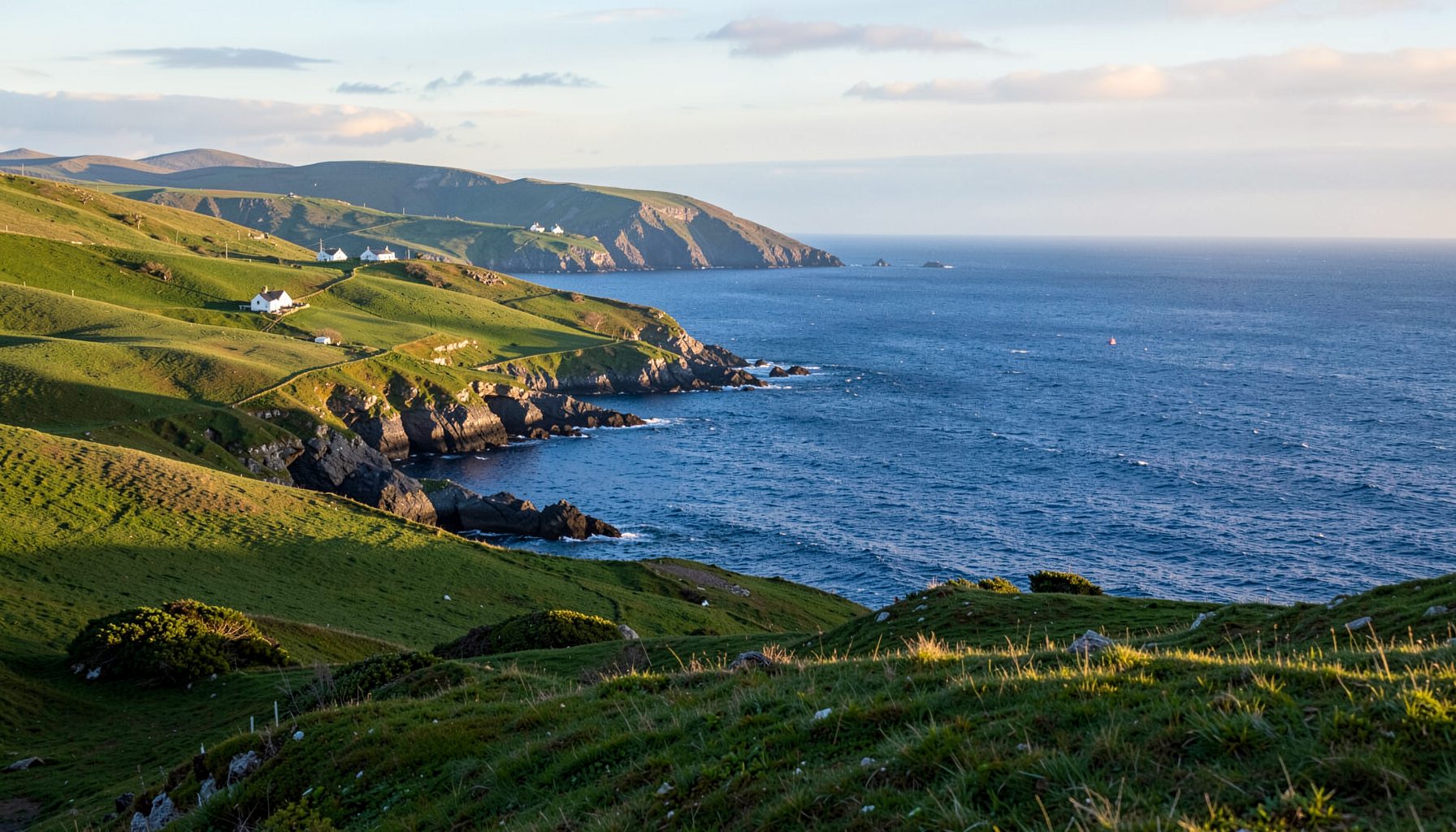
The landscape shapes the food culture. The Atlantic coast provides seafood and seaweed, while small farms and gardens contribute vegetables, herbs, eggs, dairy products and meat. The peninsula’s rugged terrain and scattered settlements also encourage small-scale production, where personal knowledge and careful preparation are central to the finished product.
Community events can provide a direct connection between producer and visitor. A conversation with a baker or cheesemaker may reveal more about regional food than a formal brochure, especially when the producer can describe a family method, a local ingredient or the challenges of working in a remote coastal area.
Seasonal Flavours Across The Peninsula
Spring events often focus on renewal, local growing and the return of outdoor markets. You may find young plants, preserves, fresh baking, seasonal vegetables and workshops on gardening or traditional skills. These occasions are useful for visitors who want to understand the relationship between food production and the peninsula’s changing weather.
Summer brings the busiest programme, with village festivals, harbour events, agricultural shows and outdoor gatherings. Longer days make it easier to combine a market or tasting with a coastal walk, a visit to a heritage site or an evening of traditional music. Popular events can become busy, so arriving early is sensible if you want the widest choice of products.
Autumn is associated with harvest ingredients, baking, apples, berries, mushrooms and hearty home cooking. It is also a natural time for food education, as communities celebrate the work involved in bringing crops, livestock and locally made goods through the year. Winter gatherings tend to be smaller and more intimate, with craft fairs, fundraising suppers and seasonal produce playing a prominent role.
Festivals And Producers Worth Seeking Out
Food and drink programmes on the Skellig Coast may include farmers’ markets, pop-up tastings, cookery demonstrations, seafood events, agricultural gatherings and celebrations attached to larger cultural festivals. Cahersiveen, Waterville, Sneem, Valentia Island and neighbouring villages can each offer a different character, depending on the venue and the organisers involved.
Look for events that showcase several producers rather than a single product. A well-rounded gathering might include sourdough, confectionery, preserves, fish, locally reared meat, handmade cheese, herbal products and drinks made by independent producers. Such variety makes the event suitable for families, curious visitors and anyone seeking edible gifts to take home.
Specialist makers can be a highlight. The story of Skellig chocolate makers illustrates how a small regional business can combine craft, enterprise and a strong sense of place. Chocolate, baked goods and other artisan products are particularly useful for visitors who need portable souvenirs, although temperature-sensitive items may require careful storage.
A tasting is also a chance to learn about provenance. Ask whether ingredients are locally grown, sourced elsewhere in Ireland or imported, and find out how the product is made. Producers generally appreciate genuine interest, and respectful questions can turn a brief purchase into a memorable exchange.
Choosing An Event That Fits Your Day
Different gatherings suit different travel styles. A market may work well during a short stop, while a full village festival deserves several hours. Before setting out, check whether the event is indoors or outdoors, whether parking is limited, and whether tastings require tickets or advance booking.
The following guide can help match an event format with your interests and available time:
| Event style | What you may find | Best suited to | Practical note |
|---|---|---|---|
| Farmers’ market | Fresh produce, bread, preserves and handmade goods | Visitors seeking ingredients or gifts | Bring reusable bags and arrive early |
| Food demonstration | Cooking, baking or preservation techniques | Curious cooks and families | Seating may be limited |
| Seafood gathering | Fish, shellfish, seaweed and coastal recipes | Visitors interested in maritime culture | Menus can depend on weather and supply |
| Craft drinks tasting | Small-batch beverages and producer stories | Adults exploring regional flavours | Check age requirements and transport options |
| Harvest or agricultural event | Farm produce, baking, livestock and rural skills | Families and heritage enthusiasts | Outdoor clothing is often essential |
A responsible visitor should also consider how they will travel between villages. Public transport may be limited in rural areas, especially in the evening. If an event includes alcohol, arrange a designated driver, use a taxi where available or stay within walking distance of your accommodation. Never drink and drive on the peninsula’s narrow and winding roads.
Eating Well And Supporting Local Enterprise
Buying directly from a producer keeps more of the value within the region. Even a modest purchase can support a family business, community fundraiser or seasonal stallholder. Choose products that you can use or share, and carry them carefully so that delicate baking, jars and handmade goods reach their destination in good condition.
Many local food events also provide an opportunity to reduce waste. Bring a refillable bottle, reusable shopping bags and a container where organisers permit them. Follow instructions about recycling and composting, and avoid taking more samples than you can reasonably eat. Small decisions matter when a busy event may serve hundreds of people in a village with limited waste facilities.
Dietary needs should be discussed directly with vendors. Vegetarian, vegan, gluten-free and allergen-aware options may be available, but small producers cannot always guarantee an entirely separate preparation area. Ask about ingredients before tasting, and explain any serious allergy clearly.
Respect for local customs is equally important. Some events are fundraisers or community projects rather than commercial attractions. Pay the suggested entry fee, follow photography rules and give volunteers space to work. A friendly, patient approach helps preserve the welcoming character that makes these gatherings possible.
Combining Food With Heritage And Landscape
A food festival can become the centre of a wider day on the Ring of Kerry. Depending on the location, you might pair a market with a visit to a local museum, a walk along the coast, a heritage trail or an exploration of village architecture. Allow enough time to enjoy the event rather than treating it as a quick stop between attractions.
The Skellig Coast is also home to internationally recognised heritage, including Skellig Michael, a UNESCO World Heritage Site and a filming location associated with Star Wars. Boat trips and landing visits are weather-dependent and require advance planning, so they should not be treated as guaranteed additions to a festival day. If conditions prevent a sea journey, local exhibitions, viewpoints and mainland heritage sites can still provide meaningful alternatives.
Food helps interpret this landscape. A cup of tea in a village café, a loaf bought from a local baker or a product made with coastal inspiration can create a tangible link to the places visited. The experience becomes richer when visitors pay attention to the stories behind the food rather than simply collecting destinations.
Plan A Thoughtful Festival Visit
- Check the current date, venue, ticket information and cancellation policy before travelling.
- Carry reusable bags, suitable outdoor clothing and a method of payment accepted by small vendors.
- Ask producers about ingredients, provenance, allergens and storage requirements.
- Plan safe transport in advance if the event includes alcohol tastings.
- Leave time to explore the host village and support nearby shops, cafés and community facilities.
Making The Most Of Markets And Tastings
Arriving with a simple plan can improve the experience. Decide whether you are looking for a meal, ingredients, gifts or an educational activity, then give yourself room to browse. Smaller events may sell out of popular goods, while larger gatherings can become crowded around demonstrations and tasting counters.
Take notes if you are visiting several producers. Record the name of a bakery, farm, chocolate maker or drinks producer whose work you enjoyed, along with storage advice and opening information. This makes it easier to buy again later and helps turn a one-day visit into an ongoing connection with the region.
Food festivals are also good places to discover events beyond the main programme. Organisers, stallholders and volunteers may know about upcoming workshops, music sessions, heritage talks, walking groups and seasonal markets in nearby communities. Local knowledge can reveal opportunities that do not appear in national tourism listings.
Most importantly, treat the festival as a community occasion. Spend time listening, shop thoughtfully and recognise the effort involved in producing food in a remote coastal region. Check the latest local listings before your journey, then follow the flavours, stories and welcoming gatherings that make the Skellig Coast distinctive.