The Story Of Skellig Chocolate Craft Producers
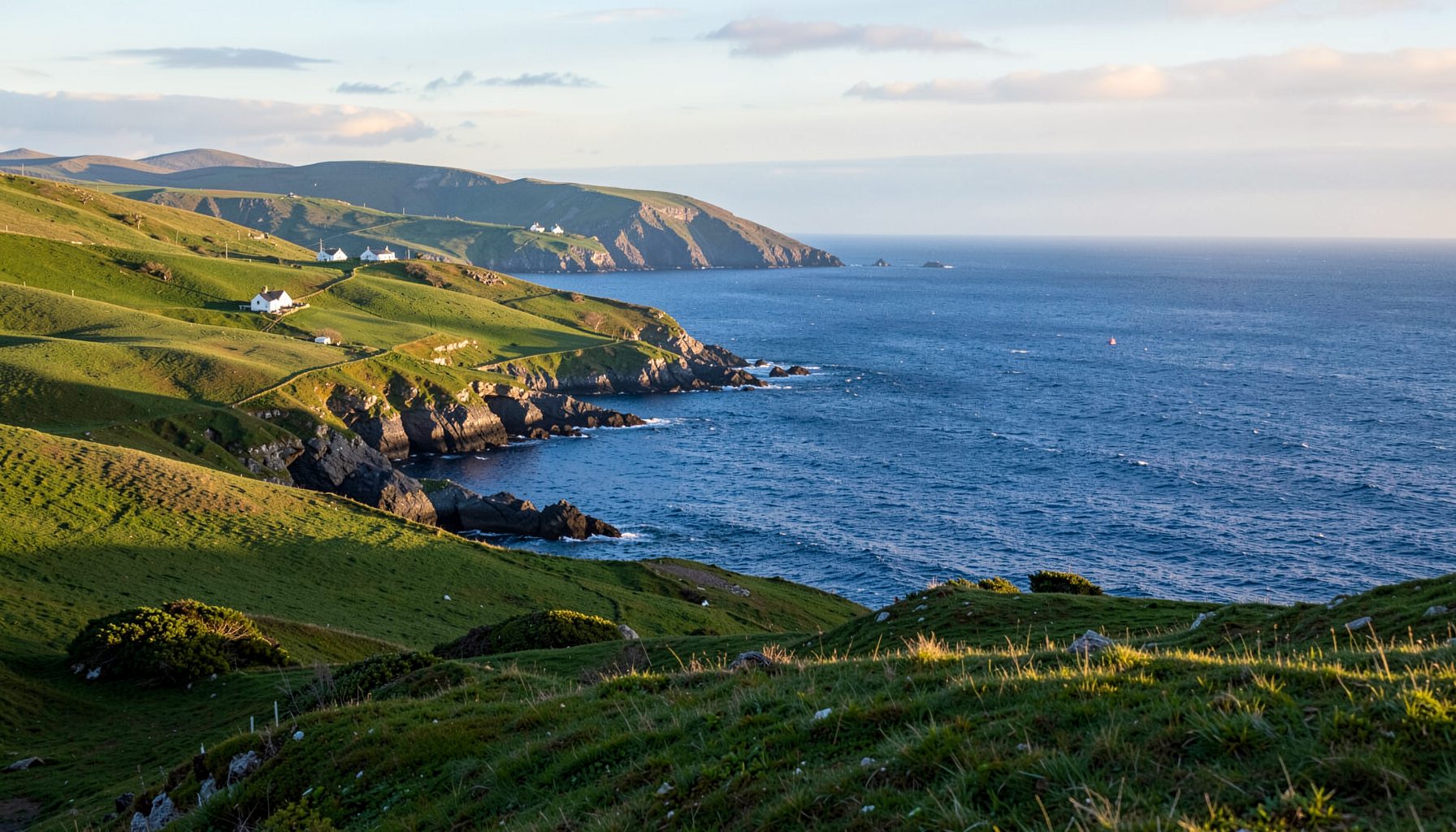
On the western edge of the Iveragh Peninsula, where Atlantic weather shapes daily life, chocolate has become an unexpected part of the local story. Skelligs Chocolate began as a small, family-led enterprise in Ballinskelligs and grew into one of the best-known artisan food producers on the Skellig Coast.
Its work connects several strands of place: farming and food culture, hospitality, craft production, tourism, and community enterprise. Visitors may arrive for the dramatic coastline or the view towards the Skellig Islands, then discover a working chocolate kitchen where familiar ingredients are turned into carefully finished confectionery.
The business is often described through its products, from truffles and bars to seasonal gifts. Yet the deeper story lies in how a remote rural location became an advantage. Distance from major commercial centres encouraged a distinctive identity, while the landscape gave the brand a strong sense of origin.
From Local Enterprise To Recognised Maker
Skelligs Chocolate was established in 1996 by Colm and Julia Healy, who developed the business in Ballinskelligs as a family-run chocolate company. The decision to make chocolate on the coast was ambitious. A small producer in a rural area had to build its reputation through consistency, personal service, and a clear connection with its surroundings.
The early operation grew from hands-on production rather than industrial scale. This approach allowed the makers to pay close attention to recipes, textures, fillings, and presentation. Over time, the company developed a broad range of chocolates while retaining the character of an independent craft producer.
The name itself draws attention to the Skelligs, the remarkable offshore islands visible from parts of the coast. That association gives the products a strong regional identity, while the location in Ballinskelligs places the factory within a landscape known for beaches, stone ruins, sea cliffs, and monastic heritage.
Chocolate Shaped By Place
The Skellig Coast is an important part of the company’s visual and cultural identity. Ballinskelligs is a coastal village with a long history of settlement, religious connections, fishing, farming, and seasonal visitors. Chocolate production sits within that wider story rather than replacing it.
The nearby sea and mountains also influence how visitors experience the business. A factory visit can form part of a day exploring the coast, perhaps alongside Ballinskelligs Beach, McCarthy’s Castle, St Finan’s Bay, or the route towards Portmagee and the Skellig Islands. The setting helps transform a food purchase into a memory of place.
This connection is especially useful for a regional producer. A chocolate bar bought in a supermarket may be judged mainly on taste and price. A chocolate bar purchased beside the Atlantic, after seeing the Skellig landscape, carries an additional sense of locality. Packaging, naming, and presentation can preserve that association long after the journey is over.
The business also belongs to a broader network of people who keep the region active through enterprise, education, culture, and voluntary work. Its story sits naturally alongside the local people and projects that give the Skellig Coast its character throughout the year.
A Craft Process With Industrial Precision
Artisan chocolate making combines sensory judgement with careful technical control. Chocolate must be melted and cooled within precise temperature ranges so that it sets with a smooth finish, a clean break, and a glossy surface. Small changes in temperature, humidity, ingredient balance, or handling can affect the final result.
At Skelligs Chocolate, production involves a sequence of skilled stages. Ingredients are prepared, chocolate is tempered, moulds are filled, shells are created for filled chocolates, and centres are added before each piece is sealed. Finished items are then checked, decorated, wrapped, and packed for sale.
The word “craft” does not mean that every task is improvised. Reliable equipment, food safety procedures, storage controls, and repeatable recipes are essential in a professional confectionery kitchen. Craft lies in the judgement applied within that system: choosing combinations, refining texture, managing appearance, and ensuring that a handmade product remains consistent.
This balance helps explain the company’s appeal. Customers receive chocolates that look polished and dependable, while the range still reflects the creativity and attention associated with a small specialist producer.
What Makes The Range Distinctive
The product line includes chocolate bars, boxes, truffles, seasonal collections, and gift selections. Some pieces focus on the character of the chocolate itself, while others use fillings, nuts, fruit, caramel, or other flavour combinations to create contrast.
A useful way to understand the range is to consider the different occasions it serves:
| Product style | What it offers | Typical occasion |
|---|---|---|
| Chocolate bars | A straightforward taste of the maker’s chocolate | Everyday treat or small gift |
| Filled chocolates | Layers of texture and flavour | Sharing or special occasions |
| Truffles | A softer, richer confectionery experience | Celebrations and thoughtful gifts |
| Seasonal pieces | Festive shapes and limited-time designs | Christmas, Easter, and holidays |
| Gift boxes | A varied selection with presentation value | Visitors, family, and corporate gifting |
The variety also makes the products accessible to different visitors. Someone looking for a small souvenir can choose a bar, while a returning customer may select a larger box or a seasonal assortment. This range supports the visitor experience without turning the company into a generic souvenir outlet.
Packaging is part of that experience. A well-presented box can communicate the coastal setting, the independent nature of the producer, and the care involved in the work. It gives the customer a physical reminder of Ballinskelligs and the wider Kerry landscape.
Meeting Visitors At The Factory
The factory shop and visitor experience make the production process visible. Rather than encountering chocolate only as a finished retail product, visitors can learn about ingredients, equipment, tempering, moulding, and the practical demands of working with confectionery.
For families, the experience can make food education enjoyable. Children often respond to the visual side of chocolate making: flowing chocolate, decorated pieces, unusual moulds, and the smell of a working kitchen. Adults may be more interested in the history of the business, sourcing, recipes, or the technical detail behind a smooth finish.
The café and visitor facilities add another layer to the experience, giving people a reason to pause rather than simply collect a purchase. In a rural area, this kind of attraction can support the wider visitor economy by encouraging people to spend more time in the village and combine several local stops.
The factory also demonstrates how a small business can welcome tourists without losing its production focus. The visitor experience grows out of the working chocolate operation, so the story remains grounded in the daily activity of making and packing confectionery.
A Family Business In A Rural Community
Family ownership has shaped the tone of Skelligs Chocolate. It has allowed the business to develop gradually, make decisions with a long-term view, and preserve a close relationship between the makers, the premises, and the products. That continuity matters in a rural community where enterprises often contribute far beyond their direct employment.
A local food company can create work, attract visitors, purchase services, and strengthen the reputation of an area. It can also provide a practical example of how a business rooted in a small village can reach customers across Ireland and beyond. The success of such a producer depends on local commitment as well as external demand.
The company’s identity is connected to the wider food culture of County Kerry, where farms, cheesemakers, bakers, restaurants, markets, and producers contribute to a growing appreciation of regional quality. Chocolate may be a modern addition to that tradition, yet it follows an established pattern: use skill, story, and place to create something visitors want to remember.
Its role is also cultural. The business helps present Ballinskelligs as a living community rather than simply a scenic stop. When people visit the factory, they encounter a working enterprise shaped by local history and contemporary creativity.
Visiting With Respect For The Coast
A visit to Skelligs Chocolate works best as part of a broader exploration of the Skellig Coast. The area rewards slow travel, with time for beaches, heritage sites, walking routes, small villages, and viewpoints. Checking opening times in advance is sensible, particularly outside the main summer season or during holidays.
Visitors should also remember that the landscape is environmentally sensitive. The Skellig Islands, coastal habitats, and archaeological sites need care, especially during busy periods. Supporting local businesses, following access guidance, and leaving natural and historic places undisturbed all help protect the character that makes the region special.
A few simple ways to make the most of the experience include:
- Allow time to learn about the production process rather than treating the factory as a quick retail stop.
- Combine the visit with nearby beaches, heritage sites, or a coastal walk.
- Buy suitable products for the journey, since warmth and direct sunlight can affect chocolate.
- Ask staff about seasonal ranges, ingredients, and gift options.
- Support other local cafés, attractions, and community enterprises during the same outing.
A Sweet Part Of The Skellig Coast Story
The story of Skellig chocolate craft producers is ultimately a story about rooted enterprise. A family business took shape in Ballinskelligs, developed specialist skills, welcomed visitors, and built a recognisable name around the landscape of the Iveragh Peninsula.
Its chocolates represent the visible result, but the wider achievement is just as significant: a rural company has created employment, strengthened the visitor economy, and added a contemporary food tradition to a coast already rich in history. The result is a business that belongs to its setting while reaching well beyond it.
When exploring the Skellig Coast, include a visit to Skelligs Chocolate in a day devoted to the region’s scenery, heritage, and local makers. Taste the finished work, discover how it is produced, and carry a small piece of Ballinskelligs with you as the journey continues.