How St Finian’s Bay Found Its Surfing Rhythm
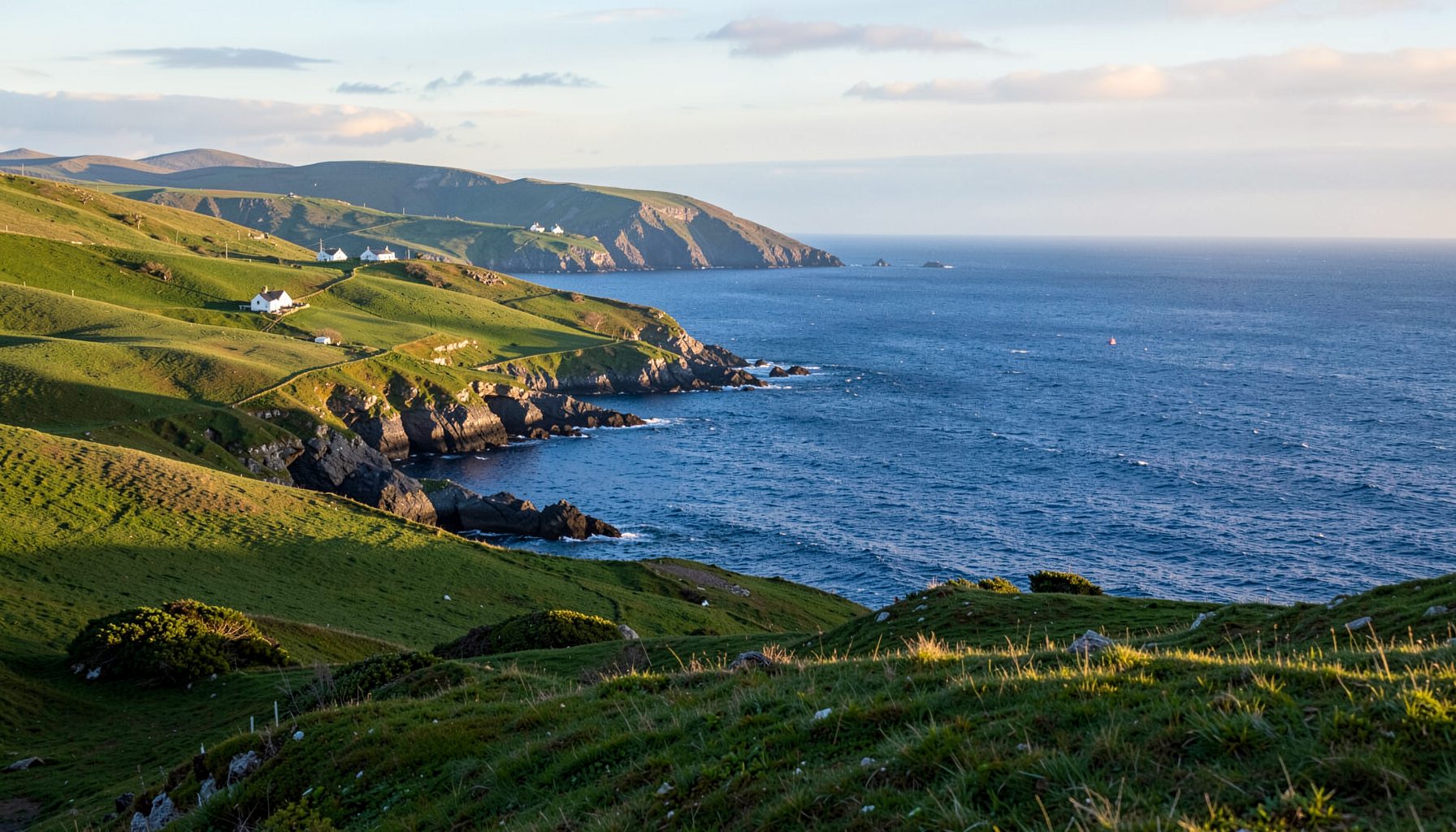
St Finian’s Bay sits on the Atlantic edge of the Iveragh Peninsula, where the road narrows, the hills open towards the sea, and the Skellig coast feels wonderfully remote. It is a place of changing weather and shifting water, with a beach that rewards patience more than prediction. The bay’s surfing identity has grown from that relationship with the elements.
The story of the St. Finian’s Bay surfing scene is also a story about access. Surfers arrive for the quality of a wave, but they stay attentive to the road, the tide, the wind, the farming landscape and the communities that make the coast their home. There is no sense of a manufactured resort here. The appeal lies in the natural setting and the quiet, practical culture around it.
That culture belongs to a wider coastal landscape shaped by pilgrimage, fishing, farming, tourism and outdoor recreation. A session at St Finian’s Bay can sit naturally beside a walk, a visit to a local heritage site or a journey through the villages around the Skellig Ring. Surfing is one strand in a much older coastal story.
A beach shaped by Atlantic weather
St Finian’s Bay is exposed to the Atlantic, and that exposure gives it character. Swell can travel into the bay from open water, while wind direction and tide alter the shape, speed and consistency of the waves. A clean morning may become messy by afternoon, or a quiet-looking sea may begin to organise as the tide moves across the beach.
For surfers, this makes observation part of the experience. Checking the water from the approach, watching the wind on the surface and allowing time for several sets can reveal more than a quick glance from the car park. The bay is not a machine that produces identical waves every day; it is a living coastal environment responding to weather far beyond the headlands.
The surrounding cliffs and hills add to the sense of scale. Looking out from the beach, it is easy to understand why this stretch of Kerry attracts people seeking space and strong natural scenery. The same openness that creates memorable surf also demands respect, especially when conditions become powerful or visibility changes quickly.
From individual sessions to a local scene
Surf communities often begin informally. A few regulars recognise the best tides, share observations, help one another with equipment and gradually create a familiar rhythm. At St Finian’s Bay, the scene has developed through this kind of repeated contact with the beach rather than through a single grand opening or formal launch.
That informality matters. Local knowledge can include details that a forecast cannot express: where water drains across the sand, how a particular wind affects the paddle out, which access points should remain clear and how quickly conditions can deteriorate. Experienced surfers also understand that a remote break is shared with walkers, swimmers, families, wildlife and residents moving through their daily routines.
The result is a scene with a strong sense of self-reliance. Surfers need to bring suitable equipment, read the conditions and take responsibility for their own decisions. The reward is a more direct connection with the coast, where each session feels shaped by the particular weather and tide of that day.
Learning the break and its rhythms
For someone new to the bay, the most useful lesson is that surfing here begins before entering the water. Watching several wave cycles helps reveal channels, peaks and areas where waves close out. It also gives a clearer picture of whether the conditions match a surfer’s ability, board and comfort in open Atlantic water.
Beginners should treat the beach as a place to build judgement gradually. A smaller, more manageable day can teach timing and positioning without demanding the same commitment as a large swell. More experienced surfers still need to avoid assuming that familiarity with another beach automatically transfers to St Finian’s Bay. Every break has its own pattern, and that pattern can change within hours.
The bay also encourages a broader understanding of surfing. A good session is not measured only by the number of waves ridden. It can involve reading a forecast accurately, sharing the peak fairly, helping someone on the beach or choosing to stay out of the water when conditions exceed a group’s ability. Those habits are central to a healthy surf culture.
How the bay compares with nearby coastal water
The Iveragh Peninsula offers several different kinds of shoreline, from exposed Atlantic beaches to more sheltered coves and inlets. Surfers and other water users can therefore experience significant changes in wind, swell and water movement within a relatively short journey. Local geography matters as much as distance.
The broad comparison below is a guide to coastal character rather than a daily forecast. Conditions at any beach can shift with season, tide and weather systems, and no beach should be judged solely by its reputation.
| Coastal setting | Typical character | What it can teach surfers | Main consideration |
|---|---|---|---|
| St Finian’s Bay | Atlantic-facing and changeable | Reading swell, wind and tide | Remote setting and variable conditions |
| Ballinskelligs area | A mix of open beach and more sheltered water | Choosing conditions to suit ability | Busy periods and shared beach use |
| Derrynane coast | Varied coves, beaches and headlands | Adapting to different exposure levels | Local currents and changing access |
| Small rocky inlets | Often sheltered from some winds | Understanding water movement near shore | Hazards hidden by tide or swell |
The variety of nearby places gives the regional surf community room to develop. A surfer may choose St Finian’s Bay for an Atlantic swell, then look elsewhere when the wind turns or when a less exposed setting is more appropriate. This flexibility reduces pressure on any one beach and helps people appreciate the coast as a connected landscape.
It also places surfing within the wider identity of the Skellig Coast. The same road network leads towards historic villages, walking routes and sites that tell stories of settlement and survival. A coastal outing can include time in the water and time on land, with each making the other more meaningful.
Heritage beside the break
St Finian’s Bay is named within a landscape rich in early Christian associations and long-established place names. The coast around it carries traces of farming, pilgrimage, maritime travel and everyday work. Surfing does not replace those histories; it adds a contemporary layer to a place that has always been connected to movement and the sea.
That connection is visible across the wider peninsula. A visit to the coast might be followed by a journey towards Cahersiveen, where the landscape opens into another set of historical stories, including the Ballycarbery Castle ruins. Moving between beach and heritage site helps place the surf scene in context: it belongs to a region with many overlapping ways of understanding the shoreline.
The cultural setting also explains why respectful behaviour matters. Access routes may pass through working countryside, while the beach itself is part of a fragile environment. Parking considerately, keeping gateways clear, taking rubbish home and avoiding unnecessary disturbance are small actions that support continued access and goodwill.
Safety, sharing and stewardship
Atlantic surfing requires a conservative approach to safety. Conditions can change quickly, and a remote beach may offer limited immediate assistance. Surfers should check a reliable forecast, tell someone where they are going, carry appropriate equipment and avoid entering alone when the conditions are beyond their experience.
The basics remain important: assess the swell before paddling out, identify safe entry and exit points, keep a clear line of communication with others and understand how to respond if separated from a board or group. Cold water adds another consideration, making suitable exposure protection essential even when the air feels mild.
Stewardship is equally practical. The beach should be left as it was found, with no litter, damaged dunes or blocked access. Surfers can contribute to the atmosphere of the scene by welcoming newcomers without encouraging reckless behaviour, respecting other water users and recognising that local residents may experience the coast as home rather than recreation.
What keeps the scene connected
The future of St Finian’s Bay’s surf culture will depend on simple, consistent habits. A remote break does not need heavy development to thrive. It needs people who understand its limits, share accurate knowledge and value the qualities that made the place attractive in the first instance.
Useful principles for visiting and participating include:
- Check swell, wind, tide and daylight before setting out.
- Watch the break for several minutes before choosing where to enter.
- Match the conditions to your experience, fitness and equipment.
- Keep access roads, gateways and beach approaches clear.
- Take all litter home and respect wildlife, residents and other beach users.
These practices help preserve the difference between a living local scene and a destination reduced to a photograph or forecast rating. They also make the beach more welcoming for the next generation of surfers, swimmers, walkers and coastal visitors.
The story of the St. Finian’s Bay surfing scene continues each time someone reads the water carefully, shares the line-up respectfully and leaves the shore in good condition. Explore the villages, heritage and outdoor life of the Skellig Coast to see how this Atlantic beach fits into the wider character of Iveragh.