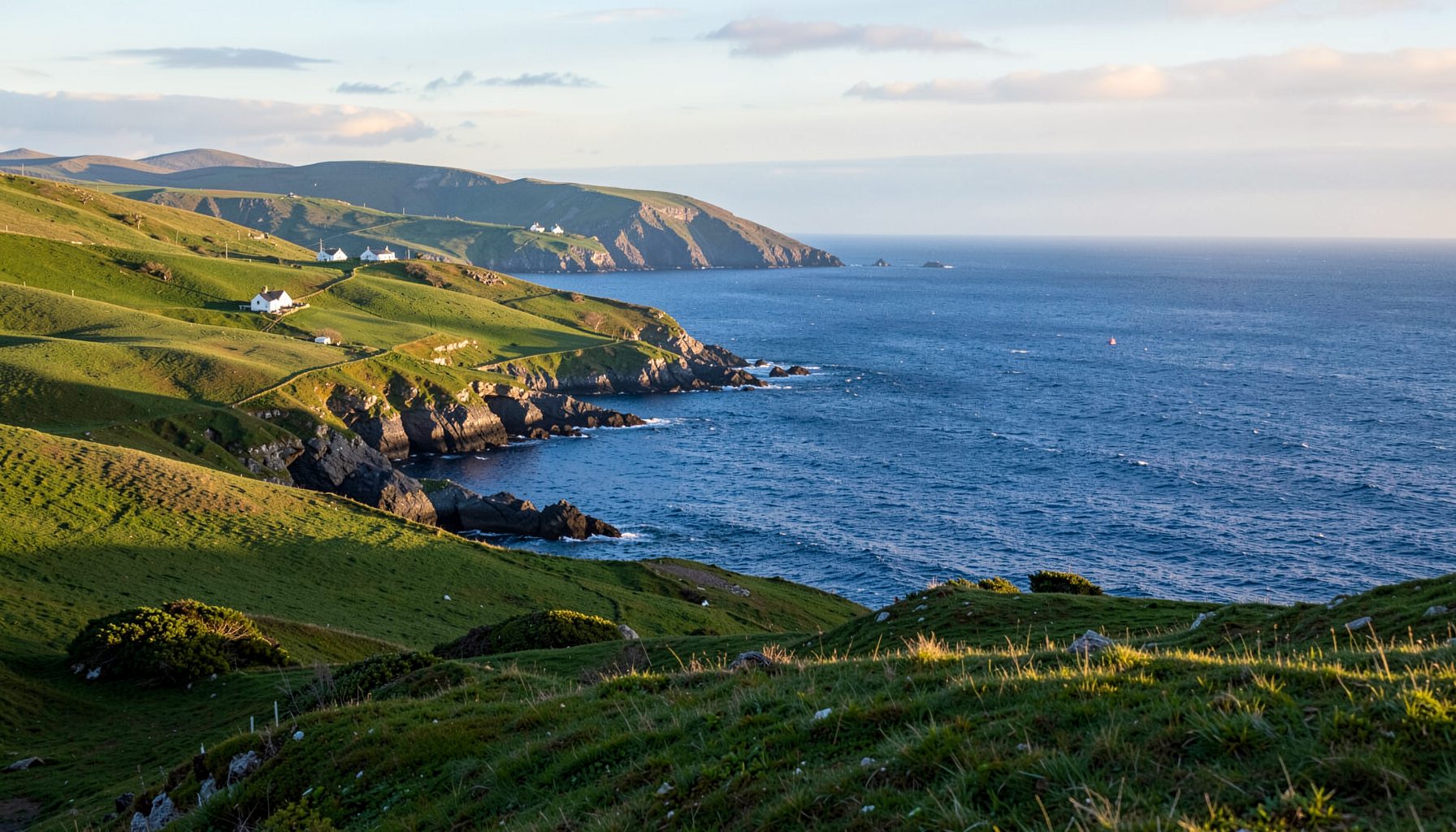
A guide to local art galleries and studios on the Skellig Coast
The Skellig Coast is best known for dramatic Atlantic scenery, ancient monuments and island heritage, but its creative life is equally connected to the landscape. Across the Iveragh Peninsula, artists work with paint, clay, wool, wood, glass, photography and found materials to interpret cliffs, beaches, boglands, island communities and everyday local life.
A visit to a gallery or studio offers a different way to experience the region. Instead of simply viewing the coastline, you can see how it has shaped colour, subject, craft traditions and personal stories. Some venues are formal exhibition spaces, while others are working studios, cooperative shops, community arts hubs or temporary displays in village buildings.
Opening hours and exhibitions can change with the season, especially in smaller coastal communities. Treat this guide as a way to understand what to look for and how to plan a creative trail from Kells through Cahersiveen, Portmagee, Ballinskelligs, Waterville, Caherdaniel and Castlecove.
Finding art along the coast
The most useful starting point is to identify the communities you will already be visiting. Cahersiveen has a strong connection with local history and civic culture, while Portmagee and Valentia Island provide settings where maritime life, island traditions and the wider Skellig landscape frequently influence creative work. Ballinskelligs and Waterville are also natural places to look for exhibitions, craft displays and artists working close to the shore.
In smaller villages, an art venue may not look like a conventional gallery. It could be a room attached to a craft workshop, a seasonal exhibition in a community centre, a converted outbuilding or a display within a local enterprise. Look for exhibition posters, notices in cafés, information from community groups and updates from regional cultural organisations. Asking locally can be more productive than relying on a fixed online directory.
What you may discover
Landscape painting is a natural part of the artistic character of the peninsula, yet the subject is interpreted in many ways. Artists may focus on Skellig Michael, Valentia’s cliffs, the Kerry mountains, sea weather or the changing light over the Atlantic. Others use abstract forms, layered surfaces and unusual colour combinations to suggest the atmosphere of a place rather than reproduce its appearance.
Craft is just as important as fine art. Ceramics, textile work, basketry, wood turning, jewellery and printmaking can reveal skills passed through families or adapted by contemporary makers. Some pieces draw on older patterns and materials, while others respond to environmental concerns, migration, rural life or the changing role of coastal communities. A studio visit often explains those connections more clearly than a label in a display space.
The region’s heritage also provides a rich source of artistic material. Historic stone structures, monastic sites, vernacular buildings, local music and agricultural practices all appear in creative work. Even traditional activities such as bog walking traditions can deepen an understanding of the colours, textures and seasonal rhythms that inform artists across Iveragh.
Galleries, studios and creative spaces
A gallery usually presents selected work in a curated setting. It may represent several artists, host a changing programme or focus on a particular medium such as painting, photography or sculpture. Galleries are useful when you want to compare different interpretations of the same coastline or learn about the wider contemporary art scene in Kerry.
A studio provides a more direct encounter with the maker. You might see unfinished canvases, tools, test pieces and materials that would never appear in a finished exhibition. The opportunity to speak with an artist can add context to a purchase and help you understand how a work was made. Studios vary in how public they are, so check whether visits are drop-in, appointment-based or limited to advertised open days.
| Creative setting | What you may find | Best approach |
|---|---|---|
| Public gallery | Curated exhibitions, regional artists and temporary shows | Check the current programme and opening times |
| Working studio | Finished work, tools, materials and informal conversation | Confirm whether visitors are welcome |
| Craft shop or cooperative | Items from several local makers across different mediums | Ask about the maker and where the work was produced |
| Community arts venue | Workshops, group exhibitions and cultural events | Look for seasonal notices and event listings |
| Pop-up exhibition | Short-term displays in village or heritage spaces | Visit during the advertised dates rather than relying on regular hours |
These settings often overlap. A ceramicist may sell work through a cooperative, teach in a community space and open a studio during a local festival. A painter may exhibit in a café or heritage building rather than maintain a permanent gallery. Flexibility helps you find the creative activity that is actually taking place during your visit.
How to make a meaningful visit
Take time to read labels and ask about the connection between the work and the place. A landscape image may depict a recognisable viewpoint, but it may also reflect a personal memory, a family history or a response to weather and light. Questions about materials, techniques and inspiration are usually welcomed, particularly in small studios where conversation is part of the experience.
Respect the working environment. Do not touch artwork unless invited, and ask before photographing pieces or equipment. In a studio, the maker may be balancing visitors with production, commissions or teaching. A quiet, attentive visit is more rewarding than trying to rush through several venues.
Purchasing directly from an artist or local cooperative can support the creative economy of the peninsula. If an original work is beyond your budget, consider a print, small ceramic piece, postcard, textile item or locally produced craft object. Ask about packaging and transport, since many makers can arrange safe delivery for larger or fragile purchases.
Planning a creative route
A gallery visit works well when combined with heritage, walking and community activities. For example, a day around Cahersiveen can include local history, food and an exhibition, while a route through Portmagee and Valentia can connect maritime stories with island views and contemporary craft. Ballinskelligs, Waterville, Caherdaniel and Castlecove offer further opportunities to combine coastal scenery with cultural stops.
Avoid planning too many fixed appointments in one day. Roads can be slow, weather can change quickly and a studio conversation may take longer than expected. Allow time for viewpoints, village events, short walks and unplanned discoveries. The creative character of the Skellig Coast is tied to its pace, and hurried travel can miss the details that make the work meaningful.
Before setting out, check current information from venues, artists and community organisations. Confirm accessibility, payment options, parking and whether a space is open outside the main summer period. Some locations may have limited mobile coverage, so save essential details before travelling.
A practical visiting checklist
A little preparation makes it easier to support artists and enjoy smaller creative spaces without placing pressure on local communities.
- Check opening dates, seasonal hours and appointment requirements before travelling.
- Carry a payment method that suits small businesses, while recognising that some makers may accept only certain forms of payment.
- Ask whether an item is locally made, designed locally or sourced from elsewhere.
- Bring suitable packaging or request delivery when buying ceramics, glass, large artwork or delicate textiles.
- Leave enough time for conversation, workshops and community events rather than treating every stop as a quick photograph.
The most valuable discoveries may be modest: a hand-thrown cup in a village shop, a small exhibition in a community hall, or a conversation with a maker who has lived beside the Atlantic for decades. These encounters broaden the meaning of local art beyond a single building or official exhibition programme.
Connecting art with place
The strongest creative experiences on the Skellig Coast come from making connections. A painting of a headland may feel different after you have walked beneath it. A woven piece may become more understandable after learning about local weather, farming or fishing. A carved object may echo the shapes of dry-stone walls, boats or archaeological remains found throughout the peninsula.
This is why local galleries and studios belong within the wider cultural landscape. They complement visits to Skellig Michael, historic sites, islands, beaches and walking routes by showing how residents and contemporary artists interpret the same environment. The result is a richer understanding of Iveragh as a living place rather than a collection of scenic viewpoints.
Use Skellig Coast to follow local events, cultural initiatives and community information as you plan your route. Build time into your visit for a gallery, studio or craft space, and take home a piece that carries a genuine connection to the people and landscape of the Skellig Coast.