Bog Walking and Turf Cutting Traditions on the Iveragh Peninsula
Across the Iveragh Peninsula, bogland is both a landscape to explore and a record of how people lived. The open, russet-coloured uplands around Kerry have supplied fuel, grazing, shelter for wildlife and a setting for work passed between generations. Their quiet appearance can conceal a demanding history of cutting, carrying and drying turf.
Walking through a bog offers a different view of the peninsula from the coastal roads and mountain summits. A raised track, a line of peat stacks or the dark edge of a cutaway bank can reveal how communities used the land. These places also require care: peatlands are fragile, weather can change quickly, and many areas remain connected to local rights and working practices.
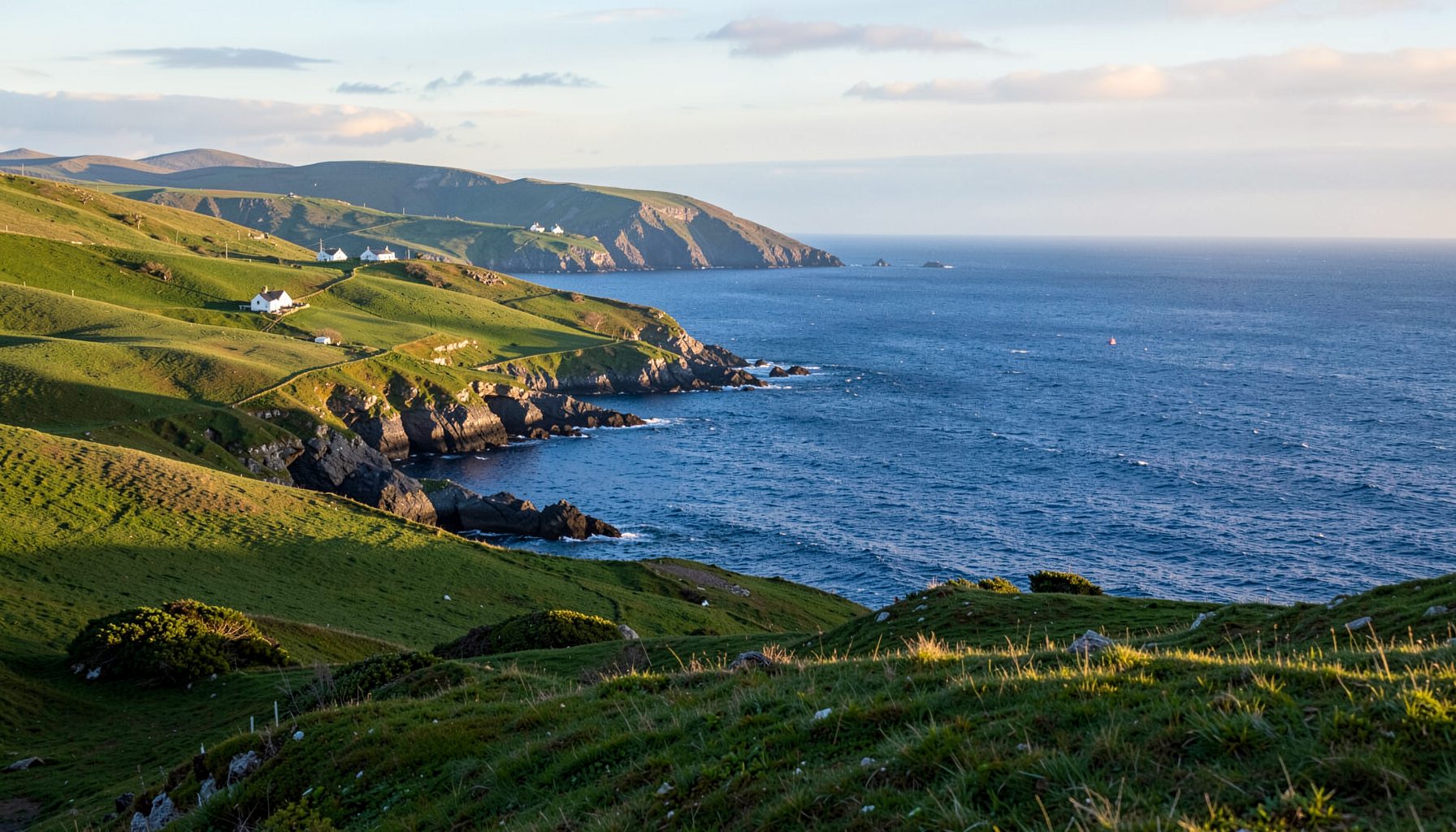
On the Skellig Coast, from Kells towards Castlecove and across the wider Iveragh landscape, bog walking is best approached as a cultural experience as much as an outdoor activity. Understanding the traditions behind the ground makes a visit more respectful and rewarding.
A Landscape Shaped By Water And Time
Much of Ireland’s western upland scenery is associated with blanket bog, a type of peatland formed where heavy rainfall and poor drainage slow the decomposition of plants. Over centuries, layers of partially preserved vegetation build into peat. Mosses, sedges, heathers and rushes thrive in conditions that are too wet and acidic for many trees.
The surface may look uniform from a distance, yet a bog is a living mosaic. Pools, flushes, hummocks and channels support specialised plants and insects. Birds such as meadow pipits and skylarks may use open ground, while snipe and other wetland species depend on wetter pockets. The bog also stores carbon and holds water, helping to regulate the flow of streams after periods of rain.
Peatland scenery is therefore more than a scenic background. It reflects geology, climate and centuries of land use. A narrow bog road or old footpath can mark a route that once linked a settlement with commonage, turf banks or upland grazing.
The Work Of Cutting Turf
Turf was traditionally cut for household fuel, especially in areas where timber was scarce. A specialised spade called a sleán was used to slice the peat bank. The shape of the tool and the skill of the cutter determined the size of each sod. Cutting demanded strength, balance and a good understanding of the bank, since a poorly judged stroke could damage the face or produce sods that were difficult to dry.
The work usually began in spring or early summer, when longer days offered a chance to dry the turf. Freshly cut sods were laid out in rows or small groups, then turned and built into larger formations to help air circulate. Families often returned several times during the season to check the fuel, protect it from rain and eventually carry it home.
A turf bank could be a place of shared labour and conversation. Neighbours helped one another, younger people learned by watching experienced cutters, and practical knowledge was tied to particular stretches of bog. The work was physically demanding, but it also formed part of the annual rhythm of rural life.
Traditions varied between townlands and families. Some people cut by hand for domestic use, while others used mechanical equipment where permitted. The familiar image of turf cutting should not hide the fact that access, ownership and cutting rights are local matters.
From Turf Bank To Household Hearth
For generations, dried turf was a dependable source of heat. It could be carried in creels, loaded onto carts or transported along bog roads. In remote parts of the peninsula, the journey from the cutting ground to the home might be as challenging as the cutting itself. The fuel was stored carefully and brought indoors as needed.
The scent of burning turf became part of everyday memory, associated with kitchens, schoolhouses and community gatherings. Stories of bog work often include details that are easy to overlook: the sound of the sleán striking the bank, the feel of wet ground underfoot, or the careful arrangement of sods before a spell of rain.
Modern heating has reduced household reliance on peat, and environmental awareness has changed how the practice is viewed. Peatlands are important carbon stores, and damaged bogs can release carbon while losing their ability to retain water. This has led to restoration projects, changes in land management and renewed discussion about how cultural heritage can be respected alongside ecological protection.
The result is a landscape where old and new priorities meet. Turf cutting remains an important part of local heritage, while many people now recognise the value of leaving intact bog undisturbed.
| Feature | What It Reveals | What Visitors Should Bear In Mind |
|---|---|---|
| Turf bank | Traditional hand-cutting and household fuel use | Do not climb, cut or remove peat |
| Bog road | Access for people, animals and fuel transport | Follow signed routes and watch for uneven surfaces |
| Peat stacks | Drying methods and seasonal labour | Observe from a distance and avoid moving sods |
| Pools and wet hollows | Bog hydrology and specialist habitats | Keep to firm ground and marked paths |
| Restored peatland | Current conservation and carbon-storage work | Respect barriers, signs and restricted areas |
Walking Through An Open Bog
Bog walking can range from a short outing along a firm access road to a demanding upland journey. Some marked ways and local paths cross peatland, while other routes follow old tracks between villages, valleys and mountain passes. On the Iveragh Peninsula, sections of the Kerry Way and other walking routes provide opportunities to encounter open moorland, although conditions vary greatly with weather and maintenance.
A path that seems clear in dry weather may become soft after prolonged rain. Water can collect beneath vegetation, and a dark patch may indicate a hidden pool rather than solid ground. Narrow ridges between wet areas can be unstable, while streams may rise quickly during Atlantic storms. Appropriate footwear, a map and spare layers are essential even for a relatively modest walk.
Bog walking is most enjoyable at a measured pace. The details become more visible when visitors pause: cotton grass moving in the wind, the geometric face of a cut bank, a distant line of stone or the changing colour of heather. Clear days can reveal the coast, Skelligs and surrounding mountains, but mist and cloud are equally characteristic of the region.
Local information matters. Before setting out, check current route conditions, weather forecasts and access notices. Some paths cross private land or working areas, and a nearby public road should not automatically be treated as permission to enter adjoining bogland.
Heritage And Conservation In The Same Landscape
The future of Iveragh’s peatlands involves more than preserving an old method of fuel production. Healthy bogs support biodiversity, store carbon and slow the movement of rainwater. Drains, repeated vehicle use, uncontrolled burning and excessive cutting can alter their hydrology and reduce their ecological value.
Restoration may involve blocking drains, reducing erosion and encouraging the water table to rise. Such work can change the appearance of a familiar place, but the aim is to allow peat-forming vegetation to recover. In some locations, signs or barriers mark areas where machinery and foot traffic could cause damage.
Cultural heritage remains part of this discussion. Oral history, photographs, tools and demonstrations help explain turf cutting without requiring active damage to an intact bog. Community groups, heritage projects and learning hubs can provide useful context, particularly where visitors want to understand local practice rather than simply photograph it.
Responsible interpretation recognises both truths: turf cutting supported rural households, and functioning peatlands have significance far beyond their use as fuel. Treating either side as the whole story misses the complexity of the Iveragh landscape.
Practical Etiquette For A Bog Visit
A respectful walk begins with choosing an appropriate route. Use established paths, bog roads and public rights of way, and ask locally when access is unclear. Close gates, keep dogs under control and never assume that a quiet area is unused. Turf may be drying nearby, livestock may be present, or restoration work may be under way.
Avoid walking across soft vegetation to reach a viewpoint or photograph. Repeated footsteps can widen a path and damage plants that take years to recover. Do not remove peat, disturb stacks, handle tools or enter a working turf bank. If a bank is freshly cut, keep well back from the edge, which may be unstable.
Weather deserves particular attention on the peninsula. Waterproof clothing, food, water, navigation equipment and a charged phone are sensible basics. Mobile coverage can be limited in remote valleys, so a route plan should be left with someone at home. Visitors should also allow extra time, since wet ground makes progress slower than a map may suggest.
A quiet approach benefits wildlife and local residents alike. Leave no litter, avoid loud music and take photographs without blocking tracks or interfering with work. A short conversation with a local person can add meaning to a walk, but permission should be sought before photographing people, homes or active cutting.
Carrying The Story Forward
The vocabulary of turf cutting is part of the peninsula’s cultural inheritance. Words such as sleán, bank, sod, rick and bog road describe tools, places and processes that once shaped household routines. Local memories add personal detail: who cut where, how turf was stacked, how long it took to dry and which routes were used to bring it home.
Schools, community organisations, museums and heritage initiatives can help keep this knowledge accessible. A demonstration, recorded story or guided walk may explain the work more clearly than a sign alone. These activities also create space to discuss peatland restoration, energy use and changing rural economies.
For visitors, the most meaningful engagement may be simple. Learn the name of the landscape, read local interpretation, support community events and share photographs responsibly. A bog is not an empty wilderness waiting to be crossed; it is a place shaped by water, work, memory and ongoing care.
Make Your Visit Part Of The Story
Explore the bog roads, upland paths and heritage landscapes of the Skellig Coast with preparation and respect. Check local access information before travelling, stay on suitable routes, and take time to learn how turf cutting shaped life on the Iveragh Peninsula. By walking lightly and valuing both living peatlands and community memory, visitors help ensure that these remarkable places remain understood and cared for.