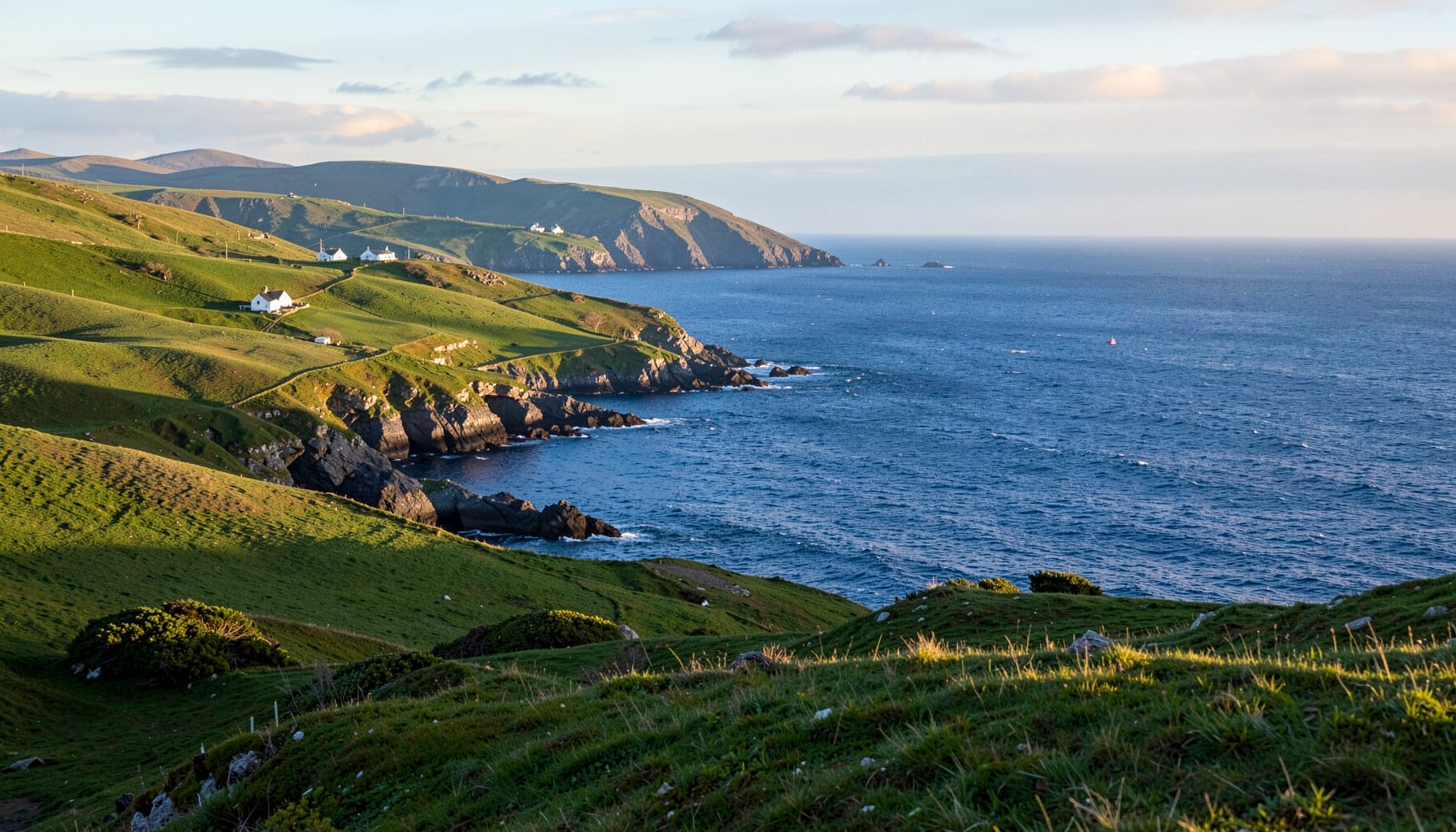
The life of a local tour guide specialising in folklore and legends
At first light in Cahersiveen, a guide may check a rain radar, the ferry outlook and the trails around the Iveragh Peninsula before deciding where to meet a walking group. The day’s story is already taking shape: the weather, the tide and the needs of visitors travelling from Kells, Portmagee, Waterville or Castlecove matter as much as any old tale.
Guiding folklore is not the same as presenting legends as settled fact. It means holding an oral tradition beside archaeological evidence, local memory and the documented history of a place. The guide can explain why a story matters, where it comes from and what remains uncertain, turning a walk into a more thoughtful encounter with the Skellig Coast.
For Australian travellers, some reference points feel familiar. Sydney and Melbourne are shaped by neighbourhood markets, local sporting identities and street-level stories, while reusable coffee cups, bring-your-own drink bottles and checking an app before a weekend drive are everyday habits. Australian farmers’ markets, filled with regional produce and handmade goods, offer a useful parallel to the small shops and craft businesses that sustain peninsula communities.
A guide within the community
The role sits between welcome-making and careful interpretation. A folklore guide connects stories to the visible landscape while explaining where a visitor is standing, what can be seen from a viewpoint and which paths or sites should be respected.
| Role | Main emphasis | Core skill | What a visitor gains |
|---|---|---|---|
| Folklore guide | Oral traditions and their relationship to place | Listening and storytelling | A layered account that acknowledges uncertainty |
| Historian | Evidence, chronology and interpretation | Research and source comparison | Clear context for dates, people and events |
| Visitor-centre staff | Practical orientation and community information | Accurate local guidance | Current details on opening times, transport and events |
These roles overlap, especially around heritage sites such as Skellig Michael, but they serve different purposes. A guide leading a folklore walk may draw on a resident’s memory of a festival, a place-name legend and the physical evidence of old settlement without treating them as equivalent forms of truth.
Skellig Coast guides also work beyond headline attractions. They may support learning hubs, cultural initiatives, school visits, outdoor programmes and community events from Kells to Castlecove. The aim is participation and understanding: helping guests notice local detail while ensuring that residents, traditions and the fragile coastal environment are not reduced to scenery.
A day shaped by local realities
A typical working day starts with logistics. A guide checks Met Éireann forecasts, path conditions, transport disruption, opening hours and group needs. If the weather turns, the route may change from exposed clifftop paths to a village heritage walk, a museum stop or an indoor storytelling session.
A practical rhythm often looks like this:
- Check the forecast, tide and local transport notices.
- Meet the group at an accessible, clearly identified place.
- Pause where a story connects with a visible landscape feature.
- Finish with time for questions and recommendations.
Conversation changes with the audience. Families may respond to creatures and transformations in local folklore, while visitors with an archaeological interest may want evidence for early settlement and monastic life. One walk can hold both threads if the guide listens for questions rather than delivers a rehearsed monologue.
Skellig Michael adds a special layer because the UNESCO World Heritage Site is both a monastic landscape and a familiar feature of popular culture through Star Wars filming. A responsible guide can enjoy that recognition while still distinguishing the island’s centuries of religious history from its modern screen fame.
Rhythms of weather and season
Demand rises around summer weekends, school holidays and festival periods, but coastal weather sets the real tempo. Wind, rain and poor visibility can alter plans quickly, even when the forecast looks promising. Guides who live locally build flexibility into their work rather than treating every tour as an independent day.
Quieter months have their own value. Shorter daylight encourages smaller groups, deeper conversation and indoor programmes, while local residents may have more time to share histories. Community events can create natural opportunities to meet craftspeople, musicians, storytellers and volunteers whose knowledge enriches the wider heritage story.
Trust, safety and responsible practice
Trust is built through preparation. Guides should know first-aid procedures, child-safeguarding expectations, photography rules, emergency contacts and the limits of their role. They also need clear alternatives for exposed paths, ferry disruptions and tired participants. Local knowledge works best when paired with official weather, marine and park information.
Australian visitors may compare these practices with expectations at home. Occupational health and safety duties, public liability cover and screening people who work with children differ between Australian states and territories, while Irish rules govern a visit to the Iveragh Peninsula. Asking who is qualified, insured and responsible is sensible wherever the guide operates.
The same diligence is useful when a community programme expands beyond the walk. A practical parallel is choosing child instructors: check credentials, safety procedures, communication and suitability for young participants. Sea-cliff guiding is plainly different from pool instruction, but both depend on preparation, clear boundaries and adults who will act quickly when conditions or behaviour change.
Basic professional checks include:
- Current first-aid and emergency-response training.
- Appropriate insurance and clear limits of responsibility.
- A written safety plan for weather and access changes.
- Child-safeguarding and photography procedures.
None of this makes a folklore walk formal or distant. It lets a guide tell vivid stories while keeping people safe, especially on school trips and family outings where children need simple instructions, reliable boundaries and an adult who notices when the group is uncomfortable.
Folklore beside verified history
The richest folklore often begins with a question: why is this path here, why does that rock carry a name, or why do locals tell the story differently from visitors? Around Killarney and the Ring of Kerry, the Old Hag of Killarney and tales of fairies, hidden people and dangerous passages can prompt discussion about faith, land use, survival and the power of the sea. The point is not to label every tale as ancient.
Some stories have moved through generations by being told, while others are modern creations made for visitors. A guide should identify which is known, ask where a version was heard and avoid presenting invention as inherited tradition. Oral history also requires care: personal recollections should not be shared without permission, and a community’s identity should not be treated as an open storybook.
Skellig Michael makes that careful balance tangible. Its monastic remains, UNESCO status, traditions associated with Saint Finbarr and cinematic visibility can each shape what people notice, yet the island’s meaning reaches far beyond any one label. The same is true of villages from Glenbeigh to Sneem: architecture, festivals, food, music and place-names reveal living heritage, not simply an attractive backdrop for photographs.
A respectful way to visit
Visitors get more from a guided experience when they arrive prepared for change. Wear footwear for uneven ground, carry a reusable bottle, expect rain rather than treating it as an exception, and check current ferry, trail and site notices. In Australia, many travellers are accustomed to those practical habits, especially on weekend trips from cities where weather can shift quickly.
The Skellig Coast community pages can help with the wider journey through village histories, cultural initiatives, learning hubs, outdoor programmes, heritage attractions and seasonal events. A guide can add interpretation, but official information remains essential for access, operating times and responsible use of protected places such as Skellig Michael.
Follow the region’s community and heritage updates, choose a walk that matches your interests and available time, and make room to meet the people who live along the Iveragh Peninsula. Arrive curious, tread lightly, and let the communities of the Skellig Coast remain the authors of their own stories.