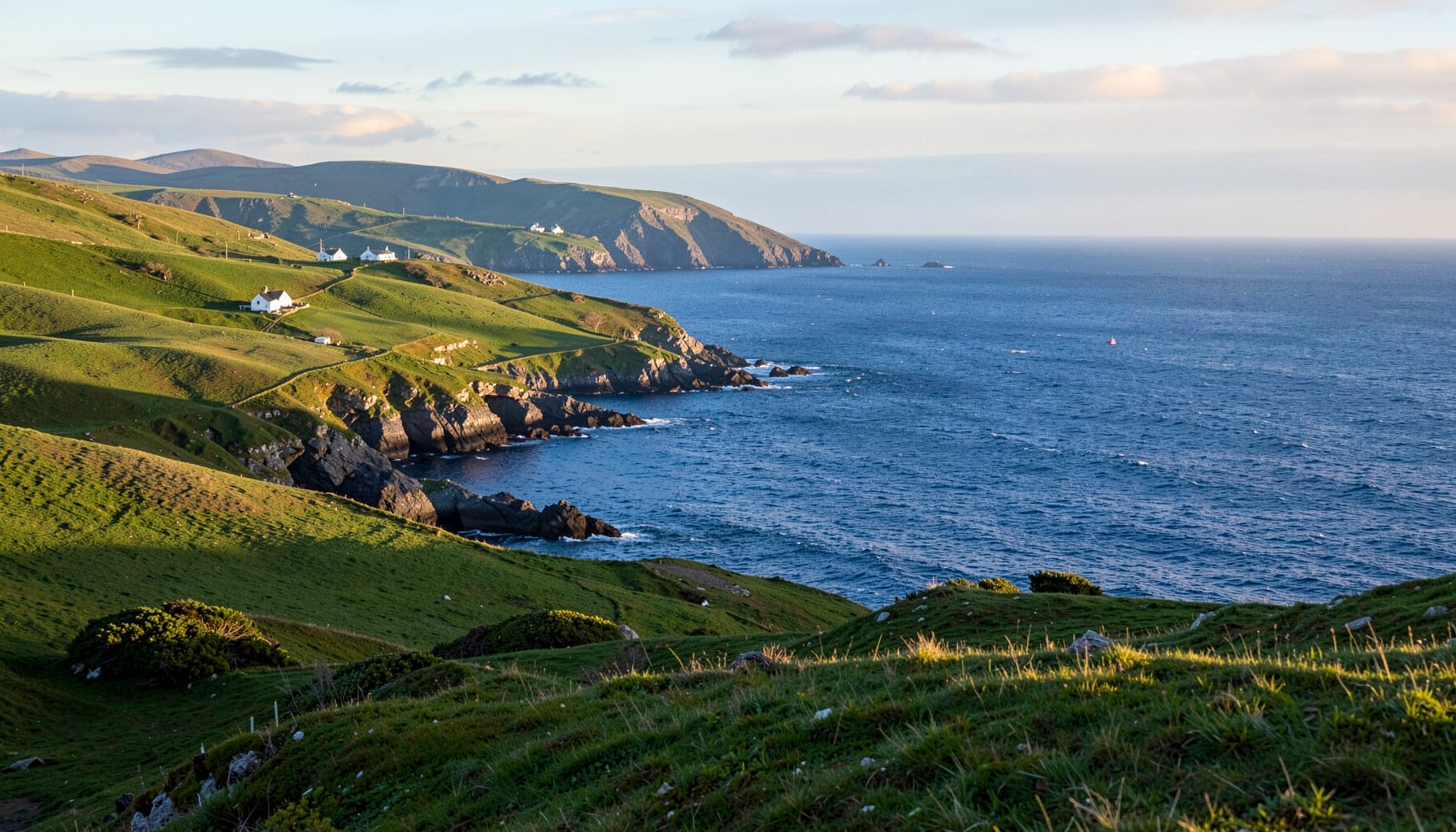
Local photography tours and workshops on the Skellig Coast
The Skellig Coast is a compact photographic playground: limestone mountains, sea cliffs, village lanes and a monastic island with a global reputation. From Kells and Castlecove to Portmagee, Sneem and Waterville, the best light often arrives between weather systems rather than on a predictable schedule. A good local tour turns those variables into the story.
Local photographers understand which viewpoints react well to dawn light, where the road disappears into mist and how a quick change in weather can reshape the coast. Their sessions combine technical instruction with knowledge passed down through generations of residents.
For Australian visitors, these outings also offer something familiar: a dramatic road trip through changing scenery. The key is finding an experience led by someone who lives there, rather than simply following a generic scenic route with a camera checklist.
Finding a tour shaped by local knowledge
The strongest photography tours begin with local awareness. Resident guides know which side of a valley catches the first sunlight, when the Atlantic produces unusually clear water and which village has the quietest lane for a street photography walk. They also understand the practical limits of the coast, including muddy parking areas, narrow roads, exposed footpaths and weather that can change within minutes.
A locally run session may focus on landscape photography around Kells, seascapes near Portmagee, or the relationship between architecture and history in villages such as Sneem and Waterville. The guide might adjust the route on the day, move from open viewpoints to a sheltered coffee stop or explain how local place names connect to Irish language, folklore and family history.
Look for evidence of regular local work, not only a gallery of polished landscapes. A guide should be able to describe their own images, identify techniques used and explain why a particular location suits certain cameras or skill levels. Reviews, workshop listings and direct conversations with photographers can help confirm that expertise.
Landscape sessions around the Iveragh Peninsula
Dawn photography walks are particularly popular because low-angle light gives the Iveragh Peninsula depth. Mountains gain texture, distant valleys separate in layers and the road toward Glenbeigh or Castlecove becomes a leading line through the frame. Small groups can stop frequently, while a private session can spend longer at one viewpoint or adapt to the weather without rushing.
Portmagee provides a different coastal perspective. From its harbour, photographers can study reflections in the water, working boats and the mountainous route towards Valentia Island. Sea journeys may also place Skellig Michael in view, although access depends on weather and sailing conditions. Camera bags need protection from spray, and a spare lens cloth is more useful than another filter.
Skellig Michael is Ireland’s UNESCO World Heritage Site and one of the landscapes used for Star Wars: The Last Jedi. Its isolated monastery has inspired countless images, yet local guides often explain why photographs taken from the boat, beach or permitted landing points feel very different. Understanding the island’s history adds context that a distant telephoto view alone cannot provide.
Village workshops and community storytelling
Street photography requires a sensitive approach, especially in small communities. A local workshop can show photographers how to work with natural light in village lanes, photograph details rather than intrude on private spaces and approach residents without expecting immediate participation. Kells, Portmagee, Waterville and Sneem each offer different architectural rhythms, from painted shopfronts to stone walls and harbour scenes.
Creative workshops may also explore local history through visual exercises. Participants might document doors, old signs, craft workshops, pub façades or the relationship between buildings and the landscape. These assignments encourage slower looking and produce a more personal record of the region than a sequence of conventional landmarks.
Many local sessions place community etiquette beside camera settings. Guides can discuss when to ask permission, how to avoid blocking a busy lane and why a photograph of an identifiable resident should not be shared without consent. This guidance is essential for both respectful travel and stronger documentary work.
Workshops for different skill levels
Beginner workshops usually begin with composition, exposure, focus and simple camera settings. Experienced photographers tend to explore filter use, bracketing, panoramic stitching and advanced seascape techniques, but local guides often stress that the best image starts with understanding the scene rather than reaching for another piece of equipment.
Editing sessions provide another useful format. Participants can bring photographs made during the trip and work on black-and-white conversion, colour balance, selective editing and storytelling sequences. Local examples are especially valuable because they reveal how a resident interprets familiar places. Guests also learn when sharpening or saturation can conceal a weak composition instead of strengthening it.
Most workshops work with either mirrorless cameras, digital SLRs or capable phones. Ask the provider what equipment is required and whether batteries, memory cards or neutral-density filters are included. Sessions scheduled outside daylight hours may suit Australian photographers whose body clocks are still adjusting to Irish summer evenings.
A practical checklist for Australian photographers
Many travellers from Sydney, Melbourne or Brisbane connect through London or another European hub before flying to Dublin. Kerry Airport at Farranfore is the most practical regional gateway for the Skellig Coast. Driving from Dublin takes several hours, so the airport or a scheduled bus connection can save valuable photography time. Australians already drive on the left and use metric distances, although Irish rural roads, tight junctions and stone walls still deserve patience.
Local speech is warm but occasionally indirect. A guide saying the light is “grand so” is offering praise, not introducing a technical term, and requests such as “would you mind” may sound more tentative than an Australian would naturally phrase them. Payment and booking habits also differ. Irish operators often quote prices in euros, request deposits and may impose weather-related cancellation terms. Direct booking supports local businesses, while comparison platforms familiar in Australia can still be useful for checking availability and reviews.
- Confirm the exact meeting point, finish time, transport arrangements and level of walking required.
- Ask whether boat tickets, permits, entrance fees, refreshments and camera equipment are included.
- Check the guide’s portfolio, recent work and local knowledge, not only the size of the group.
- Review cancellation terms, weather alternatives and insurance before paying a non-refundable deposit.
Download offline maps before leaving town, as mobile coverage can be less consistent than in Australian cities. Bring waterproof layers, a lens cloth and a charged battery, and keep some flexibility in the itinerary for conditions that local guides can interpret better than any forecast.
Comparing the main local photography formats
The available formats suit different kinds of visitors and produce different results. Landscape walks emphasise movement and changing light, private sessions prioritise personal guidance, while village workshops concentrate on people, architecture and community context.
| Format | Best suited to | Typical pace | Main strength |
|---|---|---|---|
| Small-group landscape walk | Beginners and social photographers | Several short walks with frequent stops | Flexible locations and helpful peer learning |
| Private landscape session | Serious hobbyists, couples or solo travellers | Custom route with unhurried viewpoints | Tailored coaching and greater photographic freedom |
| Village street workshop | Documentary and storytelling enthusiasts | A few hours around a village centre | Local context and ethical guidance |
| Creative editing session | Photographers refining their workflow | Seated, instructor-led critique | Constructive feedback and repeatable editing methods |
| Skellig sea session | Seascape and heritage enthusiasts | Boat journey with weather-dependent access | Views of Skellig Michael from the Atlantic |
Boat-based sessions offer the widest coastal perspective but depend heavily on conditions. Walking sessions provide more time on land and usually allow the guide to explain how a landscape changes with light. Editing workshops are worth considering when bad weather limits outdoor time.
Keep the Skellig Coast photography community moving
Local photography businesses are part of the region’s visitor economy, but their value extends beyond photographs. Workshops support artists, guides and community organisers, while respectful tours preserve the character of the villages and landscapes that attract visitors in the first place. Choosing a locally led session keeps more of the travel experience within the communities that host it.
Arrive with a camera, but also with curiosity about the people who call this coast home. Learn the local names, follow guidance around private property, avoid unnecessary drone flights and leave every viewpoint as you found it. Reserve a place with a resident photographer or workshop leader, and make the Skellig Coast more than a stop on an itinerary—it becomes a place understood through a local perspective.