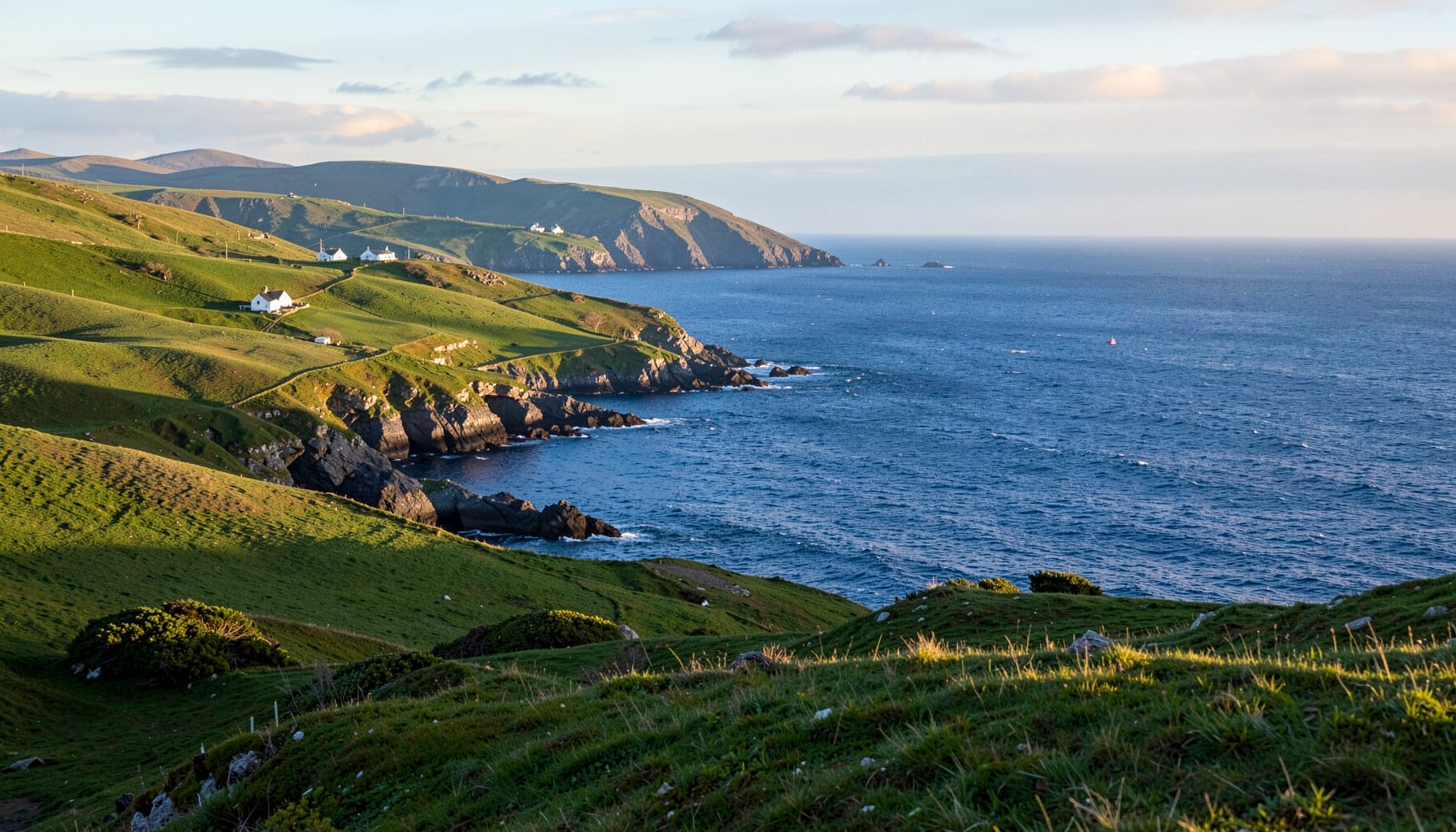
A Day In The Saddle On Kerry’s Skellig Coast
A local pony trekking guide on the Ring of Kerry begins the day by listening to the weather. Along the Iveragh Peninsula, conditions can shift quickly from bright Atlantic sunshine to mist, wind and rain. The guide checks the forecast, inspects the horses, studies the ground and decides which route will be safest and most enjoyable for the group.
This work is part horsemanship, part storytelling and part local knowledge. A guide may lead visitors along quiet lanes near Caherdaniel, across bridleways above Waterville or towards views of the Skellig Islands. The ride is shaped by tides, livestock, walkers, road traffic, ground conditions and the ability of each person in the saddle.
For Australian visitors, the experience can feel different from a trail ride in the Blue Mountains, the High Country or around Margaret River. Irish ponies are often compact, sure-footed and accustomed to narrow paths, while the landscape is greener, wetter and enclosed by stone walls and hedgerows. The pace is usually gentle, leaving room to notice the coast, hear local stories and settle into the rhythm of the horses.
Before The First Rider Arrives
The guide’s morning often starts well before the meeting time. Horses are brought in from paddocks, groomed and checked for cuts, swelling, sore backs or loose shoes. Saddles and bridles are cleaned, stirrup lengths are adjusted and helmets are inspected. A calm horse is easier to manage, but calmness comes from consistent care rather than luck.
The route also needs a practical assessment. A recent shower may make a grassy slope slippery, while strong wind can turn an exposed headland into an unsuitable place for inexperienced riders. A guide may shorten a trek, choose a sheltered forest track or remain closer to the yard. This flexibility is essential on the Ring of Kerry, where a map cannot show every muddy patch, fallen branch or gate that has become difficult to open.
Riders arrive with varied expectations. Some have ridden regularly in Australia, while others are trying a horse for the first time. The guide explains how to mount, hold the reins, use the legs and respond to changes in pace. Clear instructions matter, especially when visitors are excited, nervous or unfamiliar with Irish riding terms.
Knowing The Land And Its Stories
A strong guide knows the terrain in fine detail. The route might pass through fields edged with dry-stone walls, lanes leading towards Derrynane, or upland ground where the views open across Kenmare Bay. Around the Skellig Coast, the sea is always close in spirit, even when it disappears behind a hill or cloud bank.
Local history gives the ride another layer. A guide may point out old famine roads, abandoned cottages, ringforts, holy wells or traces of traditional farming. Near Valentia Island, visitors can learn about the island’s maritime connections and scientific heritage. Around Ballinskelligs and Portmagee, stories of fishing, island life and the Skellig monastic settlement connect the ordinary landscape with a much older past.
The best storytelling remains responsive rather than rehearsed. A family may be more interested in ponies and seabirds than in a lengthy history lesson, while a keen heritage traveller may ask about Gaelic place names, the O’Sullivan Beare story or the history of Skellig Michael. The guide reads the group and lets conversation develop naturally.
For Australians, the contrast with home can be striking. A rider used to eucalyptus forest and broad fire trails may find an Irish route unusually intimate, with hedges close to the stirrup and sheep watching from neighbouring fields. Someone visiting from Melbourne or Sydney may also appreciate the slower pace of a rural community where a quick chat at a gate can be part of the journey.
The Work Behind A Safe Ride
Safety is woven into every stage of the day. Before setting off, the guide considers riding experience, age, confidence, footwear and physical limitations. Helmets are generally required, and sensible clothing is important because exposed coastal weather can become uncomfortable quickly. Waterproof layers, warm socks and trousers that allow free movement are more useful than clothing chosen for photographs.
The guide also manages the group while riding. Horses need space between them, and the order of the trek may be arranged according to temperament and experience. A nervous horse may be placed behind a steady leader, while a novice rider may stay close to the guide. The group is reminded to keep a consistent distance, avoid sudden movements and follow instructions at gates, crossings and narrow sections.
This is skilled work rather than a simple escort service. The guide watches the horses’ ears, pace and breathing while also monitoring riders for fatigue or anxiety. If a horse becomes unsettled by a dog, bicycle or farm vehicle, the guide must respond early and calmly. Good judgement prevents small incidents from becoming serious ones.
The seasonal rhythm can be demanding. Summer brings longer days and more visitors, while shoulder seasons may offer quieter trails but cooler, wetter conditions. Australian travellers often plan around school holidays and may be comparing an Irish riding experience with activities in Queensland, Tasmania or regional Victoria. A local guide works within these expectations while remaining governed by Irish weather, daylight and rural access.
What The Day Looks Like For Riders
Although no two outings are identical, a typical trek has a clear pattern. Guests meet at the yard, complete a short briefing and are paired with suitable ponies. The guide then leads the group at a walk, stopping at safe viewpoints and explaining the landscape. Experienced riders may be offered more independence where the route and conditions allow, but the focus remains on control and welfare.
The following outline shows how the experience can vary according to the group and the day:
| Part of the experience | What the guide manages | What riders may notice |
|---|---|---|
| Arrival and briefing | Matching riders with ponies, checking clothing and explaining basic aids | A relaxed introduction and time to ask practical questions |
| Mounting and departure | Safe mounting, spacing and the first response from each horse | The difference between riding in an enclosed arena and on a rural track |
| Coastal or countryside route | Pace, gates, uneven ground, traffic, livestock and weather | Stone walls, Atlantic views, seabirds, farms and changing light |
| Heritage stops | Local stories, place names and landmarks | Connections between landscape, community and Irish history |
| Return to the yard | Cooling down, dismounting and checking horses | A chance to reflect, take photographs and thank the animals |
A guide may also adjust the language used during the ride for an international audience. Australian visitors are familiar with words such as “riding trail” and “helmet”, while Irish operators may use “trek”, “hack” or “pony”. A friendly explanation avoids confusion without making the experience feel formal.
There is usually an informal social side as well. Visitors might exchange travel stories over a cup of tea, discuss the next stop on the Ring of Kerry or compare the weather with home. Someone may mention an early “brekkie” before the ride, or joke that the Irish drizzle is a long way from a hot Australian arvo. These small exchanges help turn a scheduled activity into a local encounter.
Building A Life Around Horses
Guiding is rarely a job that exists in isolation. Many people involved in pony trekking also care for land, maintain fences, support riding lessons, work with young horses or help with family farming. During busy periods, days can be long. In quieter months, time may be spent repairing tack, improving tracks, training horses and planning new routes.
The relationship between guide and horse is central. A reliable trekking pony needs patience, balance and confidence around unfamiliar people. It must cope with changes in weather, uneven surfaces, gates, dogs, bicycles and occasional nervous riders. Respectful handling and regular rest are part of the business, as is recognising when a horse should not work.
For visitors, responsible riding means choosing an operator that places welfare before speed or group numbers. Useful signs include well-fitted equipment, clear safety instructions, appropriate helmets, honest descriptions of rider ability and a willingness to change plans when conditions are poor. A good guide will never treat an animal as scenery.
Making The Most Of A Coastal Trek
- Wear waterproof layers and trousers that are comfortable in the saddle.
- Follow the guide’s instructions about reins, distance, gates and pace.
- Be realistic about your riding experience when making a booking enquiry.
- Allow extra time for rural roads, narrow lanes and changing weather.
- Bring gloves and sturdy footwear rather than relying on casual holiday clothes.
- Listen to the stories and place names; they reveal more than a viewpoint alone.
- Treat the ponies calmly, giving them space before and after the ride.
Australian visitors should also allow for the practicalities of a long-haul holiday. The Ring of Kerry is not a quick side trip from Dublin, and travel plans can be affected by jet lag, driving time and limited public transport in rural areas. If the trek is part of a wider itinerary from Killarney to the Skellig Coast, leave enough room for weather changes instead of arranging every hour tightly.
The local economy benefits when visitors spend time beyond major attractions. A riding outing can connect people with village cafés, craft producers, heritage sites and community initiatives. The experience is especially valuable when it encourages visitors to understand the area as a living place rather than a backdrop for photographs.
A day spent following a guide through the Kerry countryside offers a close view of how landscape, horses and community fit together. To explore the villages, heritage and outdoor activities of the Skellig Coast, browse the regional information on Skellig Coast and use it to shape a thoughtful journey through this remarkable corner of Ireland.