The Life Of A Beekeeper On Ireland’s Wild Atlantic Way
Along Ireland’s Iveragh Peninsula, beekeeping is shaped by weather, terrain and the flowering calendar. From Kells to Castlecove, hives may sit behind a farmhouse, near a community garden or on a sheltered patch of coastal ground, with the Atlantic always influencing the day’s work.
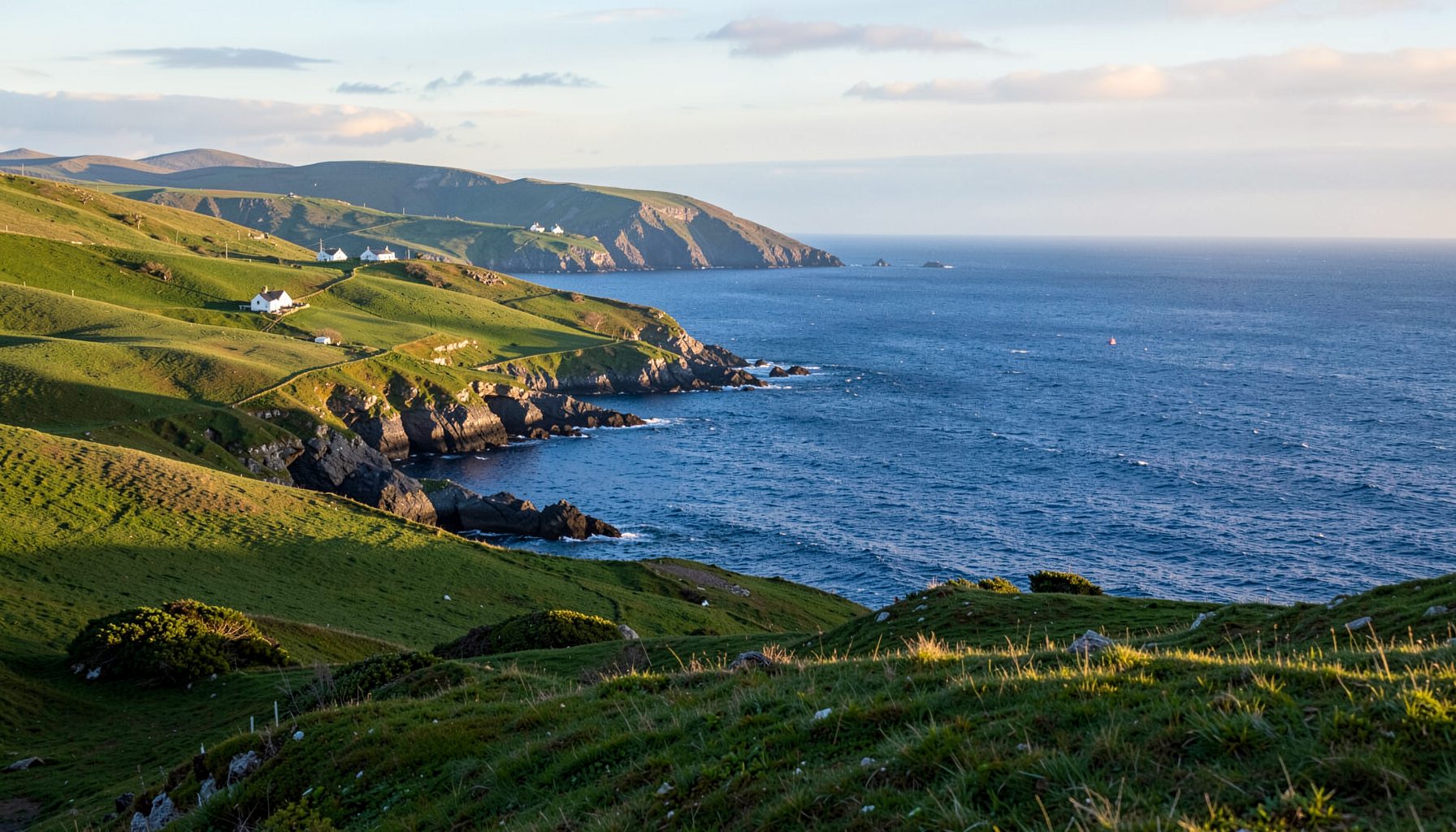
For an Australian reader, this is a very different beekeeping landscape from a backyard apiary among flowering gums. The Skellig Coast offers wind-bent hedgerows, wet grass, heather-covered hills and long stretches of uncultivated land. It is a place where honey production connects closely with local ecology, rural skills and the communities of the Ring of Kerry.
| Aspect | Skellig Coast Beekeeping | Australian Comparison |
|---|---|---|
| Main weather influence | Atlantic wind, rain and cool summers | Heat, drought, storms and bushfire conditions |
| Seasonal rhythm | Spring build-up, summer forage and autumn preparation | Spring and summer flows vary widely by state and rainfall |
| Important plants | Heather, gorse, blackberry, clover and wild coastal flowers | Eucalypts, tea trees, grevilleas, citrus and pasture plants |
| Apiary setting | Small rural holdings, hillsides and sheltered coastal fields | Backyards, orchards, farms and managed bushland |
| Key management concern | Damp, exposure, limited sunny flying days and forage timing | Varroa biosecurity, heat stress, drought and smoke exposure |
| Honey character | Often floral, heather-rich and strongly linked to local habitat | Frequently associated with eucalypt, leatherwood, macadamia or mixed blossom |
A Working Day Begins With The Weather
A beekeeper on the Wild Atlantic Way rarely starts work by looking only at the calendar. The sky, wind direction and ground conditions matter just as much. Bees need warm, reasonably calm weather to fly, and a day that looks bright from a village street may still be too exposed for opening hives on a hillside.
Morning checks often involve observing the entrance before lifting a lid. The beekeeper watches for steady traffic, pollen arriving on workers’ legs and signs of unusual agitation. A strong colony may be busy collecting nectar from nearby hedgerows, while another may need closer attention after several days of rain. These quiet observations can prevent unnecessary disturbance.
The work is physical but measured. Hive boxes, frames and feeders need to be moved carefully, often across uneven ground. Protective clothing becomes essential when the wind shifts or bees become defensive. Gloves, veil, smoker and hive tool are practical equipment, yet patience is just as important. Rushing a colony can make a simple inspection difficult.
For Australians accustomed to checking a hive before a hot summer afternoon, the timing feels reversed. On the Skellig Coast, the beekeeper may wait for a rare calm spell between showers. An “arvo” inspection is possible in Australia during a long flowering season, while in coastal Kerry a short dry window can determine whether the apiary is visited at all.
Reading The Landscape Through Flowers
Honeybees depend on a sequence of blooms rather than one permanent source of food. Gorse can provide early colour, while willow, dandelion, clover, blackberry and other hedgerow plants support colonies as the season develops. On higher ground, ling heather can create a distinctive late-summer opportunity, although harvesting it requires skill and careful timing.
The landscape around the Skellig Coast is valuable because it contains varied habitats close together. Fields, boggy ground, stone walls, gardens, woodland edges and coastal vegetation each offer different forage. A beekeeper learns which sheltered spots warm first, where bees can find water and which flowering areas remain productive after a spell of rain.
This relationship with plants makes every harvest slightly different. A jar of local honey can carry the character of a particular valley or headland, with colour, aroma and texture influenced by the season. Heather honey may be richly flavoured and slow to run, while mixed blossom honey can be lighter and more fluid. The result is a food product tied to place rather than a uniform commodity.
Australian visitors may recognise the same idea in regional honey from eucalyptus, ironbark, leatherwood or macadamia country. A beekeeper near the Blue Mountains, Gippsland or the Adelaide Hills also follows flowering patterns closely. The difference lies in the plants and climate: Irish honeybees work among hedgerows and Atlantic pasture, while Australian colonies may track vast areas of bush or orchard.
Managing Colonies In A Changeable Climate
Hive inspections are about much more than collecting honey. The beekeeper checks whether the colony has enough food, whether the queen is laying a healthy pattern and whether the bees are preparing to swarm. Queen cells, crowded brood boxes or a sudden change in activity can signal that the colony needs intervention.
Moisture is a constant concern in a wet coastal climate. Hives require ventilation, sound roofs and elevated stands so that rainwater does not collect around the base. The beekeeper must balance protection from wind with enough airflow to reduce dampness. A sheltered site can make the difference between a colony that builds strongly and one that struggles through a cold, wet period.
Pests and diseases also shape the routine. Varroa mite management, brood disease checks and responsible movement of colonies are part of modern apiculture. Irish beekeepers follow local rules and advice concerning bee health, while Australian keepers operate within a strict biosecurity culture. Varroa mite detection in New South Wales has made hive registration, surveillance and careful equipment movement especially familiar topics for many Australian beekeepers.
The seasons demand different decisions:
- Spring: assess colony strength and prevent unwanted swarming.
- Summer: monitor nectar flow, ventilation and honey stores.
- Autumn: remove surplus honey and prepare colonies for winter.
- Winter: minimise disturbance while checking shelter and food security.
Honey, Skills And A Small Rural Economy
Harvest time is less dramatic than it may appear. Frames are removed when the honey is sufficiently ripened, then transported carefully for uncapping and extraction. A centrifugal extractor spins the honey from the comb without destroying the wax foundation, allowing the bees to use the comb again.
Small producers may sell jars through farm shops, village events, food markets or direct orders. Labelling, food safety, traceability and clear descriptions matter, particularly when customers want to know whether the honey is raw, blended, filtered or sourced from a particular area. A beekeeper may produce only a modest volume, yet that honey can contribute to the identity of a community.
This local scale is important on the Skellig Coast. Beekeeping can sit alongside farming, guiding, teaching, gardening or another form of seasonal work. It also supports pollination in gardens and orchards, offers learning opportunities for local groups and encourages people to notice the health of the wider environment.
The Australian market offers useful parallels. Weekend farmers’ markets are popular in places such as Hobart, Ballarat and the Sunshine Coast, where shoppers often seek a clear regional story. Australian customers may compare a small-batch Irish honey with a jar from a local apiary, just as they compare produce from a community market with supermarket goods. The value comes from flavour, provenance and trust, not simply from the size of the jar.
A Living Tradition On The Skellig Coast
Beekeeping belongs to a wider network of practical knowledge. Experienced keepers learn from one another, pass on safe handling techniques and share observations about flowering, swarming and winter losses. Newcomers may begin with one or two hives, gradually developing confidence through local clubs, courses and mentoring.
The work also connects naturally with the cultural life of the Iveragh Peninsula. A community event, learning hub or outdoor programme can introduce visitors to pollinators, traditional food production and the importance of habitat. These encounters add depth to a visit that might otherwise focus only on famous landmarks.
Skellig Michael remains the region’s best-known attraction, recognised as a UNESCO World Heritage Site and familiar to international audiences through its Star Wars filming location. Yet the surrounding coast is also defined by less publicised forms of heritage: stone walls, small farms, local stories, maritime weather and the daily work that keeps rural communities active.
Visitors should treat apiaries as working places rather than display sites. Hives must not be approached without permission, and beekeepers need room to work safely. The most rewarding insight often comes through a local talk, a community event or a properly arranged visit where the craft can be explained without disrupting the colonies.
Small Details That Reveal The Craft
The beekeeper’s routine is built from repeated observations rather than dramatic moments. A change in flight activity, a patch of flowering clover or a damp corner beneath a hive can reveal more than a single inspection. Over time, these details create an intimate understanding of the land.
For an Australian audience, the contrast is especially instructive. In Australia, a beekeeper may plan around extreme heat, eucalyptus flowering, water shortages or bushfire smoke. On the Skellig Coast, the concerns are often exposure, rain and short weather windows. Both landscapes reward local knowledge and careful attention to the needs of the colony.
Useful signs around a healthy apiary include:
- Bees returning with visible pollen during suitable weather.
- A steady, purposeful flow at the hive entrance.
- Strong flowering nearby, with several plants available across the season.
- Dry, stable hive stands protected from prevailing wind.
Responsible visitors and new keepers should also remember:
- Keep away from hives unless the beekeeper has invited you.
- Avoid perfumes, sudden movements and blocking the bees’ flight path.
- Never transport bees, frames or used equipment without following biosecurity rules.
- Buy honey directly from reputable local producers when possible.
The life of a beekeeper on the Wild Atlantic Way is therefore a partnership with weather, flowers and community. It is hands-on work, but it is also a way of reading the coast: noticing when the gorse opens, where shelter holds, how a colony responds to a wet spell and which parts of the landscape remain generous.
Explore the Skellig Coast through its villages, heritage, outdoor programmes and community events, and look for opportunities to learn from the people who care for its living traditions. A local apiary, honey producer or pollinator project can offer a grounded view of the region—one that complements the cliffs, islands and historic sites with the quiet work happening behind the hedgerows.