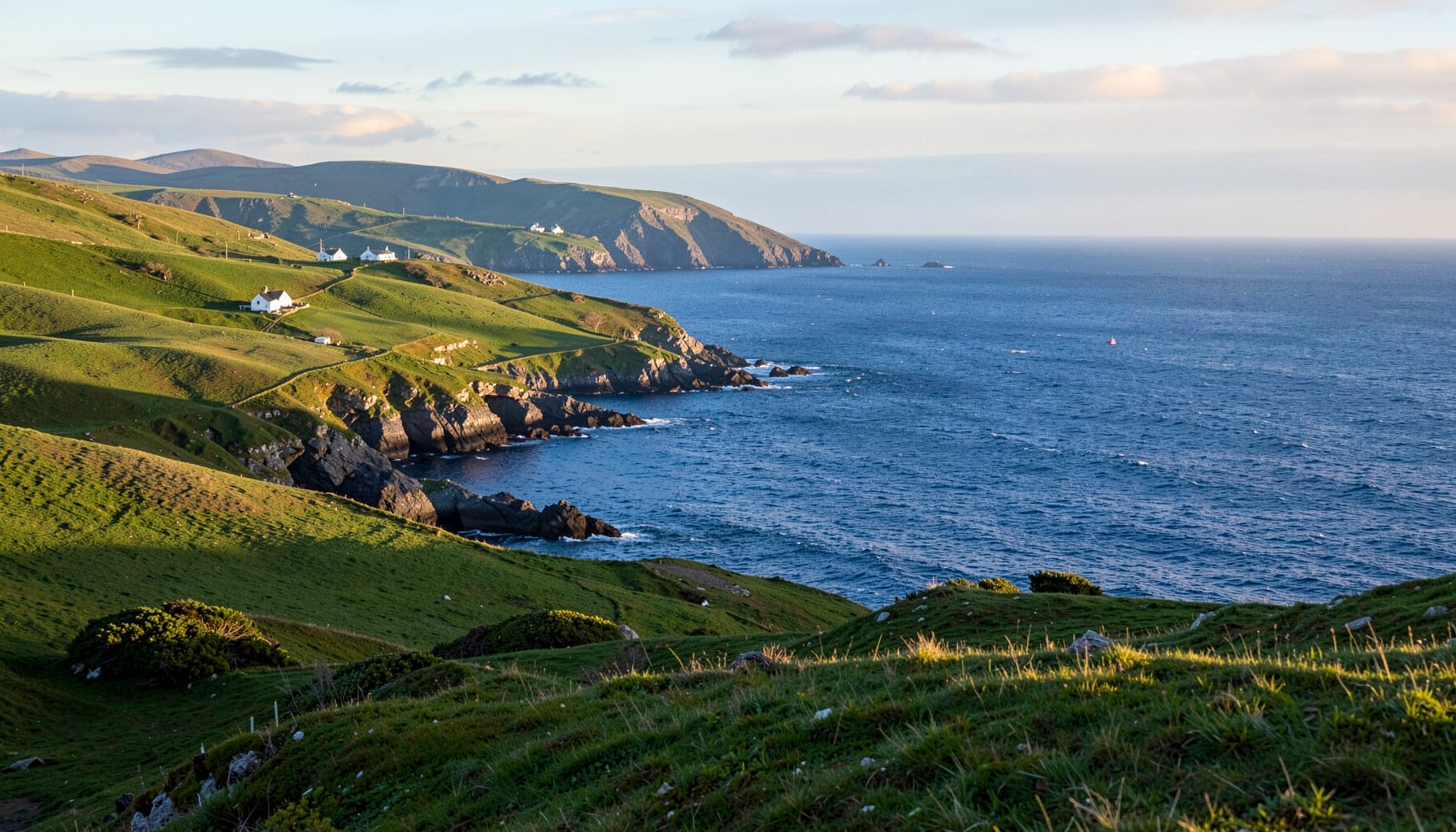
Spring Wild Garlic Foraging Along the Skellig Coast
In spring, the damp lanes, sheltered woods and stream valleys of the Skellig Coast can carry the fresh, unmistakable scent of wild garlic. Known locally and across Ireland as ramsons, wild garlic is usually found in rich, shady ground, where its bright leaves appear before the woodland canopy fully closes. For visitors from Australia, it offers a very different seasonal experience: while Melbourne and Sydney are moving into autumn, Kerry is waking from winter with tender green growth.
The best wild garlic and foraging spots in spring are rarely dramatic viewpoints or exposed headlands. They are quiet edges beside broadleaf woodland, old boreens, riverbanks and sheltered sections of walking trails. Foraging here is about observing the landscape carefully, gathering modestly and respecting the land, wildlife and communities that make the Iveragh Peninsula distinctive.
Where Wild Garlic Grows Along The Coast
Wild garlic favours moist, fertile soils with dappled shade. Look for thick carpets beneath ash, hazel, alder and beech, especially where a stream runs through the trees or an old stone wall protects the ground from strong Atlantic winds. The leaves are most abundant in early and mid-spring, before taller vegetation takes over.
On the Skellig Coast, likely habitats occur around sheltered valleys and woodland approaches near Sneem, Caherdaniel, Waterville and Valentia Island. The lanes leading inland from the coast can be more productive than the open shoreline, where salt spray, wind exposure and thin soils limit plant growth.
A plant-rich bank beside a public path may look inviting, but abundance varies from year to year. A wet spring can produce lush growth, while a cold or unusually dry season may delay it. Treat these places as observation areas first, rather than guaranteed harvesting sites.
Coastal Areas Worth Exploring
The woodland and riverside sections around Derrynane are good examples of the type of landscape wild garlic prefers. Explore only on marked paths and public routes, keeping clear of private gardens, working farms and managed conservation areas. The sheltered surroundings can support a range of spring plants, mosses and ferns alongside ramsons.
Around Sneem and the lanes near the Sneem River, damp ground and mature vegetation create suitable conditions in places. The same is true around Waterville where streams, hedgerows and wooded margins meet the wider coast. Wild garlic may also appear on Valentia Island in sheltered pockets, although exposed slopes and salt-lashed ground are less promising.
The area near Portmagee and the approaches towards the Skellig islands are better known for sea views, heritage and boat trips than for woodland foraging. That contrast is useful: a coastal walk may pass through several habitats, but the best wild greens are generally found away from the most exposed shore. Never pick on Skellig Michael, in a monument area or within a protected site unless collection is clearly permitted.
How To Identify Ramsons Safely
Wild garlic has soft, lance-shaped leaves with a strong garlic scent when gently bruised. The leaves usually emerge from the base of the plant, and later in spring the plant produces small white, star-shaped flowers held in rounded clusters. Its fresh green appearance and distinctive aroma make it easier to recognise than many edible wild plants, but identification should never rely on one feature alone.
Check the whole plant, its surroundings and the season. Do not taste a plant to test it, and do not collect from a mixed patch until you are confident that every leaf belongs to the same species. Several woodland plants can grow close together, and some toxic species may have superficially similar leaves before flowering.
A reliable field guide focused on Irish flora is more useful than a generic app alone. Photograph the plant, compare several references and attend a local natural history or foraging walk where possible. For Australian visitors, this is especially important because familiar bush tucker knowledge does not transfer directly to Irish woodland plants.
Permissions And Responsible Gathering
Land access in Ireland is not governed by a universal right to forage wherever a walking path exists. Public rights of way, national parks, nature reserves, heritage sites and privately owned land can all have different rules. Permission is the safest approach when a route crosses farmland or private property.
Do not pick in protected habitats, national monuments, formal gardens or conservation areas unless the managing authority allows it. Irish wildlife and conservation legislation protects certain plants and habitats, while local site rules may prohibit removing vegetation. The fact that a plant is common in one valley does not make it acceptable to harvest in every location.
Australian readers may be accustomed to checking state rules before collecting in a national park, whether walking near Sydney, Melbourne or Brisbane. Apply the same habit in Kerry: read signs, check the land manager’s guidance and ask locally when access is unclear. A small amount taken with permission is very different from stripping a public bank or collecting for commercial sale.
A Light Footprint In Spring
Take leaves only from a healthy, plentiful patch and leave most of the plants untouched. Avoid pulling up bulbs, damaging roots or trampling surrounding bluebells, ferns and young woodland growth. A few leaves are enough for a meal, and repeated harvesting from one small patch can weaken it over time.
Keep well away from roadsides, car parks, dog-walking areas, drainage channels and ground that may have been treated with chemicals. Agricultural run-off, traffic residue and animal waste can make apparently healthy plants unsuitable for eating. Wash gathered leaves thoroughly, but remember that washing cannot remove every contaminant.
Spring weather on the Iveragh Peninsula can change quickly. Waterproof footwear, a small basket or breathable bag and a hand-cleaning option are more practical than plastic containers. Avoid gathering in heavy rain or on unstable banks, and do not block narrow lanes or gateways while examining plants.
From Woodland Leaf To Kitchen
Wild garlic leaves are at their mildest and most tender when young. They can be chopped into butter, blended with oil and nuts for a pesto-style sauce, stirred through soup or folded into mashed potato. The flowers make a fresh garnish, while the unopened buds can add a mild onion-and-garlic note to salads or savoury dishes.
Use the plant sparingly at first. A large quantity can overpower a meal, and freshly picked leaves wilt quickly. Keep them cool, dry them gently and use them within a few days. If you are staying in self-catering accommodation, clean the leaves before they enter the kitchen and keep raw foraged produce separate from ready-to-eat food.
For people used to Australian farmers’ markets, the flavour may resemble a softer, greener version of garlic chives rather than the stronger bulbs commonly sold in shops. It can work well with local Kerry potatoes, butter, eggs and fresh cheese. Do not sell or serve gathered produce commercially without checking relevant food safety, land access and traceability requirements.
A Practical Spring Foraging Checklist
Before setting out, keep the plan simple and low-impact:
- Choose a sheltered woodland, riverside or old lane rather than exposed cliff ground.
- Check access signs and obtain permission where land ownership is unclear.
- Carry a reliable Irish plant guide, phone map, water and waterproof footwear.
- Gather a small amount only, leaving roots, bulbs and most leaves in place.
For Australian visitors adjusting to an Irish spring, these details help with timing and preparation:
- Expect long daylight hours but cool, changeable weather in March, April and May.
- Look for local walking groups, community events and farmers’ markets for guidance.
- Do not bring Australian seeds, plant material or homemade foraged products into Ireland.
- Follow Irish site rules rather than assuming Australian national-park practices apply.
Making Foraging Part Of A Coast Walk
Wild garlic is most enjoyable when it forms one small part of a wider Skellig Coast day. Combine a gentle woodland section with a village visit, a heritage stop or a coastal viewpoint, allowing time to notice birdsong, stone walls, streams and seasonal flowers. The landscape is a living cultural record, not simply a source of ingredients.
Local learning hubs, community groups and guided nature activities may offer a deeper understanding of native plants and traditional food knowledge. A guide can also explain which paths are public, which areas are protected and how land use has shaped the peninsula. Check current opening information and local notices before travelling, especially during busy spring weekends.
Visitors arriving from Australia may be used to driving long distances for a bushwalk, but the Skellig Coast rewards a slower approach. Narrow roads, passing places and sudden weather make careful planning essential. Park responsibly, keep gates closed, let walkers and farm vehicles pass, and leave the landscape looking as you found it.
Use the Skellig Coast community and heritage information to plan a respectful spring outing, then explore the lanes, woods and villages with patient attention. Seek local guidance, gather lightly where it is permitted and let the scent of ramsons become one memorable part of your time on Ireland’s Iveragh Peninsula.