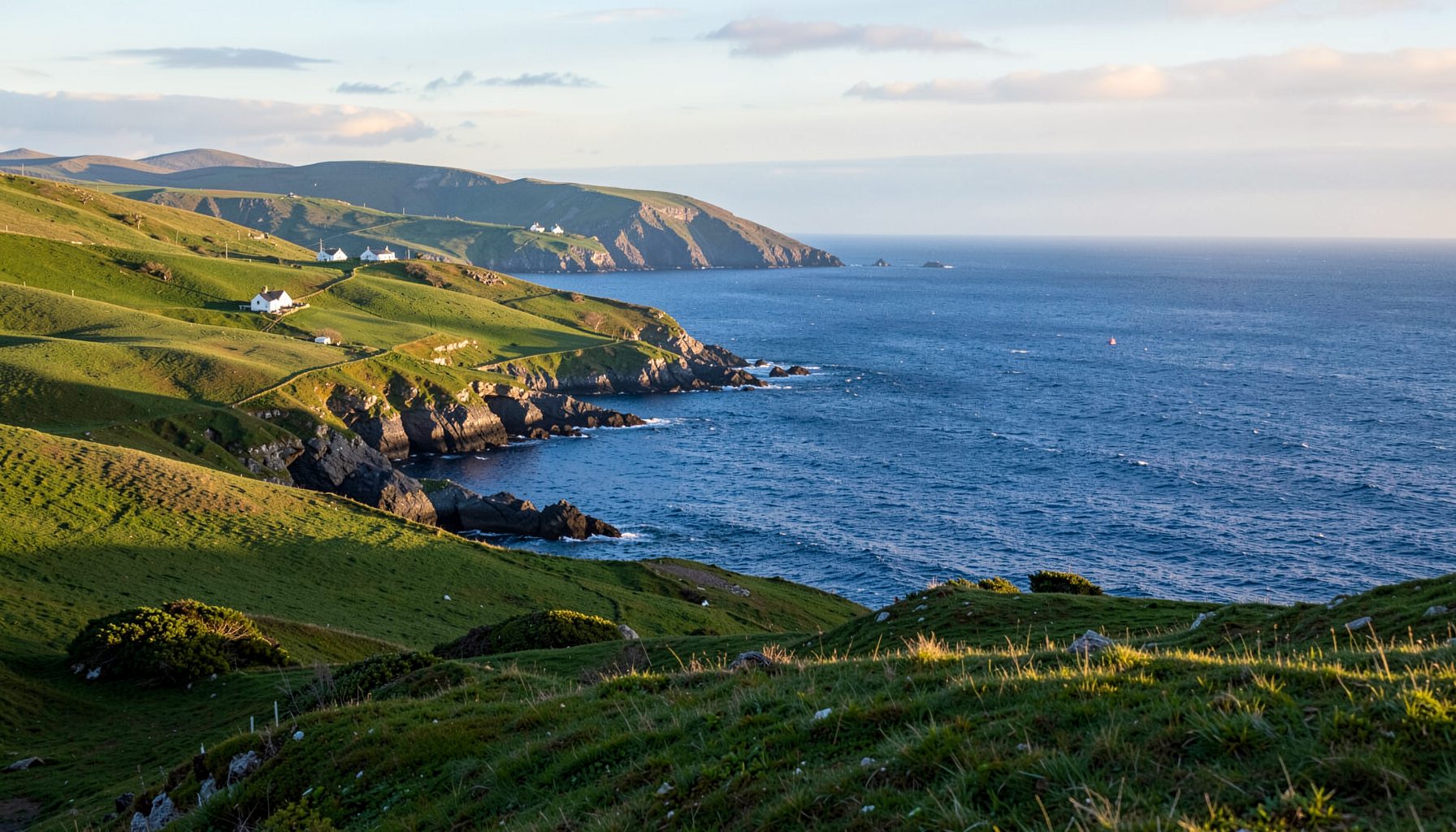
Picnic spots along the Skellig Coast with island views
The Skellig Coast on the Iveragh Peninsula offers some of the most dramatic coastal scenery in Ireland, with the jagged peaks of Skellig Michael rising from the Atlantic like a stone cathedral. For travellers planning a leisurely day outdoors, the region between Kells and Castlecove is dotted with grassy headlands, sheltered coves and clifftop pull-ins that frame those twin UNESCO-protected rocks perfectly. Many visitors arriving from long-haul destinations find that a slow picnic here replaces the rushed itinerary of a typical city break, rewarding them with sea air, seabirds and the kind of horizon that has been drawing pilgrims, monks and film crews for over a thousand years.
Australians tend to plan holidays around road trips, sun-soaked lunches and a good drop of wine, so the Skellig Coast suits that rhythm beautifully. The scale of the landscape recalls the Great Ocean Road in Victoria, while the patchwork of stone walls and lichen-covered outcrops feels comfortably familiar to anyone who has driven through the Margaret River wine region in Western Australia. Pack a cool box the way you would for a weekend in Byron Bay, but trade the flat white for a thermos of strong Irish tea and you are halfway to a perfect afternoon.
Lay-bys between Valentia and Portmagee
The stretch of road running south from Valentia Island to Portmagee is arguably the most photogenic ribbon of tarmac on the entire peninsula, and the lay-bys cut into its cliff shoulders function almost as ready-made picnic rooms. Pull in at any of the three or four grass-topped viewpoints and you will find a low stone wall, a view down to white horses rolling in over the Skelligs and a patch of turf that holds a rug and a hamper without complaint. The light here changes by the minute, so even a two-hour stop rewards photographers who arrive in late morning and stay through the early afternoon.
Locals in the area tend to recommend the pull-in just before the descent into Portmagee village, where the full profile of Skellig Michael sits centre-frame and the smaller Little Skellig hovers to its left. Bring layers, because Atlantic breezes off the Kerry coast can switch from gentle to biting without warning, much like a southerly buster rolling into Sydney Harbour. A small gas stove is welcome, although most visitors simply raid a deli in Cahersiveen for sourdough, local cheese and a wedge of brack, the traditional fruit loaf that pairs unexpectedly well with sharp cheddar.
| Location | Best for | Distance from Cahersiveen | Shelter | Skellig view |
|---|---|---|---|---|
| Valentia–Portmagee lay-bys | Photographers, short stops | 8 km | Low wall, exposed | Both peaks, centre frame |
| Bray Head terrace, Valentia | Walkers, families | 14 km | Benches and turf | Both peaks from summit |
| St Finian's Bay shelf | Couples, quiet lunches | 12 km | Sheltered grassy shelf | Angled, very good |
| Ballinskelligs strand | Children, swimmers | 18 km | Open beach, breezy | Very good at sunset |
| Coomanaspic Pass | Sightseers, drivers | 22 km | Exposed clifftop | Panoramic, full horizon |
Valentia Island and the Bray Head walk
Valentia feels like a different country the moment the bridge from Portmagee clatters under your wheels, and the island's calm, sheltered side offers picnic territory that is gentler than the wild mainland cliffs. The heritage gardens near the slate quarry, together with the picnic benches dotted along the Bray Head loop walk, deliver elevated views back across the channel to the Skelligs without the slog of a long hike. The Bray Head path itself is only a couple of kilometres return, which makes it ideal for travellers with older children or anyone who would rather walk off lunch than build up an appetite first.
The slate quarry site carries its own quiet weight, having once supplied roofing tiles for much of southern England, including the floor of the British Museum's Great Court. Reading about that history on a windswept terrace, with gannets wheeling overhead and the Skelligs ghosting in the haze, gives the outing a depth that a pure beach picnic never quite manages. Australian visitors used to the layered geology of the Grampians in Victoria or the red chasms of Karijini in Western Australia will recognise the same conversation between rock and time that defines their own favourite landscapes back home.
St Finian's Bay and the Ballinskelligs strand
St Finian's Bay, a few minutes west of Portmagee, is the kind of cove that rewards those who chase the smaller turn-offs signposted in faded green and white. A short grassy track leads to a flat rocky shelf above the strand, where you can lay a blanket, watch oystercatchers work the tideline and still keep both Skelligs in your eyeline. It is a spot that Irish families have used for generations, and you will often see children collecting shells while parents pour tea from a flask that has clearly seen decades of service.
Nearby Ballinskelligs has a longer sandy strand that works brilliantly for a more conventional seaside picnic. The strand faces due west, which means the setting sun lines up almost perfectly with Skellig Michael on clear evenings in late spring and early summer. Photographers chasing that golden-hour alignment should plan to arrive around 4pm in May or June, which mirrors the long evening light Australians already know from a summer evening on Cottesloe Beach in Perth. The local beach car park fills quickly on warm weekends, so an early start is wise for anyone with a full hamper and a folding table in the boot.
High vantage points on the Ring of Kerry
Once you rejoin the main Ring of Kerry route, a series of unstaffed viewpoints between Waterville and Sneem deliver some of the highest vantage points over the Skelligs anywhere on the coast. The Coomanaspic Pass, in particular, climbs to nearly 300 metres and offers a sweeping panorama that takes in Hogs Head, the Cummeragh River mouth, Valentia Island and both Skelligs strung out along the horizon. On a calm day, the Atlantic looks almost polished, and the entire scene can feel like a still life framed by purple heather and yellow gorse.
A practical note for drivers used to wide Australian highways: the N70 narrows considerably here, and several of the viewpoints require reversing back out onto a road used by tour coaches. Take it slowly, leave the hazard lights on while you eat, and never park across a passing place. A good rule of thumb is to treat each lay-by the way you would treat a narrow street in Melbourne's inner north, where considerate positioning matters as much as the destination itself. Anyone wanting a more structured set of regional stops can browse the Skellig Coast itinerary guides for pre-planned loops that include exactly these kinds of pull-ins.
Packing and planning for a coastal picnic
A well-packed hamper is the difference between a memorable afternoon and a soggy, shivering retreat to the car. Skellig Coast weather is famously four seasons in a day, so think layers, not luck. Most of the best viewpoints have no on-site facilities, so everything from bin bags to bottle openers needs to come with you.
- Bring a wool blanket or two, even in July, because damp granite platforms pull heat out of a body faster than people expect.
- Pack a small sharp knife, a cork screw and reusable plates that will not blow off the cliff in a gust.
- Choose firm cheeses such as Coolea or Gubbeen, which survive a cool box far better than soft varieties on a warm day.
- Carry drinking water in a sturdy bottle, since coastal pull-ins rarely have a tap and salty spray encourages dehydration.
- Stash a lightweight folding chair if anyone in the group struggles with low seating or uneven ground.
- Include a small rubbish bag and take everything home, because the Skellig Coast community works hard to keep its headlands litter-free.
- Add a thermos of hot tea or coffee, a small ritual that Irish picnickers swear by and that Australians will recognise from a winter morning on the slopes of Mt Buller.
The rest of the day shapes itself around the food rather than around a fixed schedule. After a long lunch, a short detour to the Kerry Cliffs at Portmagee adds a second round of Skellig views from a very different angle, while a slow drive inland to the Skellig Experience Visitor Centre fills the late afternoon with monastic history and Atlantic context. Most of the picnic spots described here sit within a 40-minute drive of each other, which means a single well-planned day can combine two or three of them without anyone feeling rushed.
Planning this kind of day works best when it is built around the weather, the tides and the simple joy of sitting still in a beautiful place. Australians already understand the appeal of a coastal picnic in places like Byron Bay, Wilsons Promontory in Victoria or the beaches south of Perth, and they tend to bring that same patient, well-fed approach to the Skellig Coast. Base yourself in Kells, Ballinskelligs or Waterville, stock up on local produce in Cahersiveen, and let the islands decide the timing. The Skelligs have been waiting a thousand years for visitors, and a quiet picnic on the cliffs above is one of the finest ways to meet them.