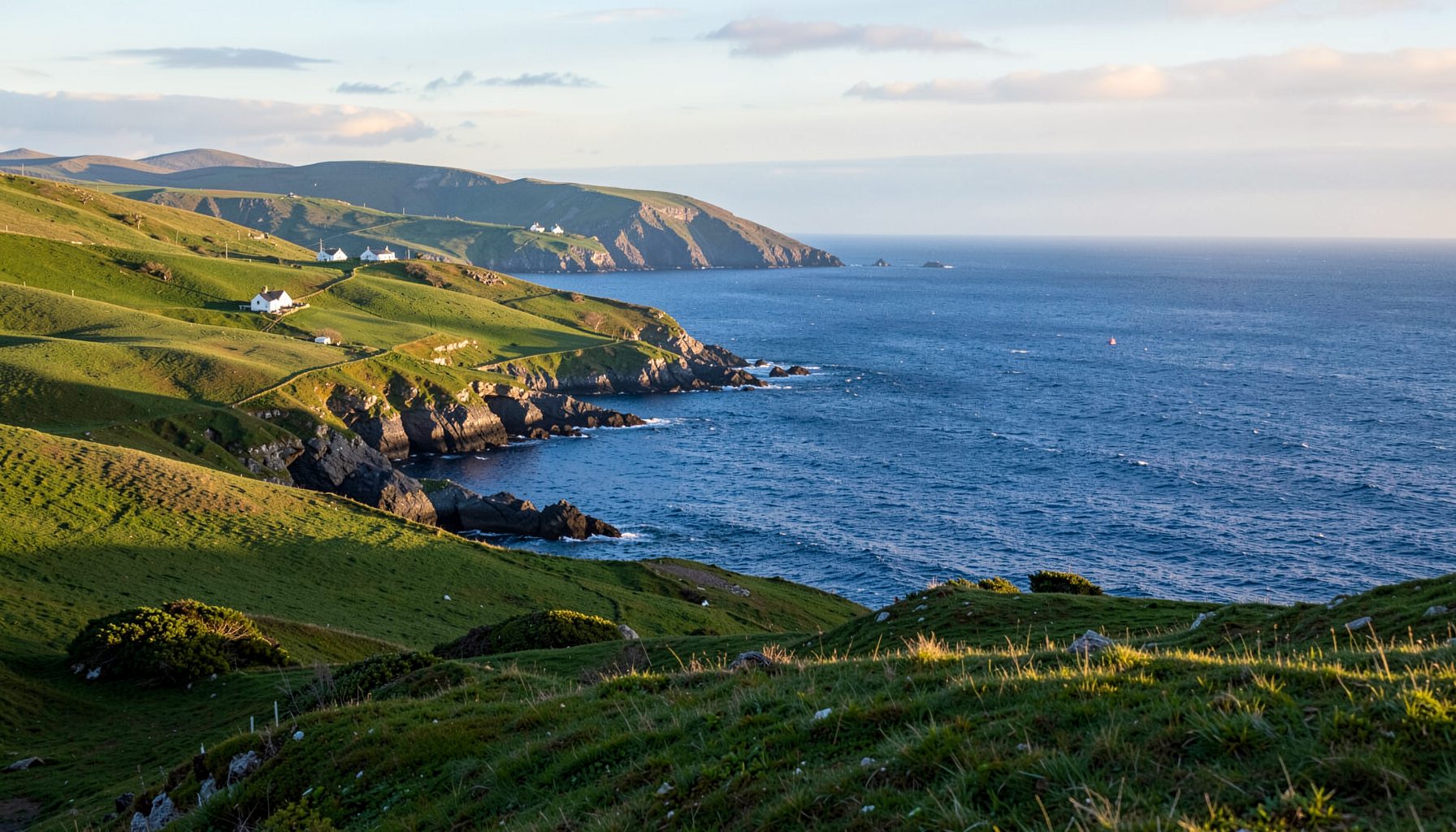
A Family Guide To Tidal Pools Along The Skellig Coast
Natural rock pools appear along the Skellig Coast when the Atlantic tide retreats, revealing shallow basins between dark sandstone shelves. From Kells towards Cahersiveen, Portmagee and Castlecove, these pools can offer children a close-up view of seaweed, limpets, tiny crabs and small fish without requiring a long swim. They are wild coastal habitats rather than supervised swimming facilities, so conditions can change quickly. Learn more about Karten Von Trinkwasserbrunnen Und öffentlichen Toiletten.
For Australian families, the experience may feel familiar at first. Children who know Sydney’s ocean pools, Melbourne’s bayside rock platforms or the shallow edges of Queensland beaches will recognise the appeal of exploring water at low tide. The Irish Atlantic is cooler, rougher and less predictable, however, and a calm-looking pool may still be connected to powerful swell.
The best outings are short, unhurried and planned around the tide. Allow time to watch the water before stepping onto the rocks, choose a broad viewing area, and treat every pool as a living habitat rather than a paddling toy. A bucket, net or collected shell can damage small creatures, so observation is the most rewarding approach.
Families should also plan the practical details before leaving the village or town. Toilets, drinking water, food shops and mobile coverage are not guaranteed beside a remote shore, while the weather can turn from bright sunshine to wind and rain within minutes. A little preparation makes it easier to concentrate on the coast’s history, wildlife and remarkable scenery.
| Feature | Natural tidal pool | Constructed ocean pool | Best family approach |
|---|---|---|---|
| Water movement | Changes with swell and tide | Usually more predictable | Watch conditions before entering |
| Temperature | Cold Atlantic water | May be slightly sheltered | Bring warm layers and spare clothes |
| Surface | Uneven, slippery rock | Ladders, edges or steps may be available | Use sturdy footwear and keep hands free |
| Supervision | Often no lifeguard | May have posted rules or patrols | Keep an adult within arm’s reach |
| Wildlife | Seaweed, limpets, crabs and small fish | Limited natural habitat | Look closely and leave everything in place |
Choosing A Safe Shoreline
A suitable family spot has a wide, stable approach, clear views across the water and enough room to stand back from the edge. Avoid narrow ledges, caves, overhangs and pools that are directly exposed to breaking waves. A pool that appears still can surge without warning when an Atlantic set arrives.
Check the tide times and forecast before setting out, then reassess when you reach the coast. Low tide is generally the easiest time to see marine life, but the outgoing and incoming phases can create strong movement through channels. Wind direction matters too: onshore wind can make a seemingly manageable shoreline hazardous.
Children should stay close enough for an adult to reach them immediately. This is stricter than the casual supervision sometimes used at a calm Australian foreshore, particularly because wet rocks provide poor footing and cold water can cause panic. Do not rely on inflatables, swimming ability or a child’s confidence in a pool.
A phone in a sealed pouch, a small first-aid kit and an adult who knows the local emergency number are sensible additions. In Ireland, call 112 or 999 for emergency services. If the sea state worsens, leave early rather than waiting for the tide to make the route back more difficult.
Reading The Tide And The Rocks
The most interesting pools are often found in flat shelves where rainwater and seawater collect in shallow depressions. Look for miniature habitats: bladderwrack moving with the water, barnacles fixed to the rock, periwinkles grazing above the surface and small prawns sheltering in cracks. Children can kneel at a distance and observe with the naked eye or a simple magnifying viewer.
Rock colour and texture provide useful clues. Dark, wet surfaces are usually slippery, while dry rough stone offers better grip. Green algae can be especially slick, and loose stones may shift under a child’s weight. Step across stable areas rather than hopping between isolated rocks, and keep both hands available for balance.
The tide should be treated as a moving boundary, not a timetable that guarantees safety. Mark the route back mentally when you arrive, and never allow children to walk around a headland or into a channel simply because the water looks shallow. Australian families accustomed to checking a beach noticeboard or surf report can apply the same habit here, using local signs and current Irish forecasts.
Rock pools are for looking, not collecting. Return seaweed, shells and stones to their original position, and leave crabs and anemones undisturbed. Even a small creature can be harmed by being carried in a bucket, exposed to sunlight or placed in fresh water.
Packing For Cold Atlantic Water
Dress children in layers rather than relying on a swimsuit. Quick-drying trousers, a warm jumper, a waterproof jacket and a hat are useful even on a sunny day. Closed-toe shoes with a firm grip are safer than bare feet or smooth-soled sandals; reef shoes can help, but they do not prevent falls.
Bring a towel and a complete change of clothes for every child. A thermos of hot chocolate or soup is particularly welcome after exploring, while water and simple snacks help prevent the tired, hungry rush that can lead to poor decisions. Australian families may recognise the value of a post-beach change bag, although Irish temperatures make it even more important.
Sun protection still matters on the Skellig Coast. Use sunscreen, sunglasses and a hat when the sky is bright, since reflection from wet rock increases exposure. At the same time, pack waterproof layers because an Irish summer day may feel closer to a cool Victorian morning than a warm Brisbane beach afternoon.
Before travelling between villages, identify practical facilities. The drinking water and toilet maps can help families plan a stop, but always check whether a facility is open and accessible. Remote coastal areas may have limited services outside the main tourist season.
Turning Exploration Into Learning
A rock pool works as a small outdoor classroom. Children can compare which animals remain submerged, which cling to the rock and which hide under seaweed. They can sketch what they see, count different textures or make a simple record of the tide without touching the animals.
The wider coastline adds layers of cultural and natural history. Explain how fishing, farming and small settlements shaped the Iveragh Peninsula, then connect the sea to landmarks such as Skellig Michael, the UNESCO World Heritage Site offshore. The island is a heritage destination and former monastic settlement, not a rock-pool swimming site; viewing it from the coast can still give children a strong sense of place.
Local stories and community events can make the outing feel less like a checklist of attractions. A visit to Cahersiveen may pair coastal observation with the Cahersiveen market story, helping children understand how vendors, growers, makers and visitors contribute to everyday community life. Families used to Saturday markets in Adelaide, Perth or Hobart may find a familiar social rhythm in this local setting.
Keep the learning playful and brief. One good question—“Which creature would survive longest if the tide stayed out?”—can encourage observation without turning a family walk into a lesson. Leave time for children to notice sounds, weather and changing light across the water.
Simple Habits For A Better Visit
The safest family outing usually follows a few straightforward rules:
- Check tide times, wind, swell and local notices before leaving.
- Choose a broad, low-risk viewing area and keep children within arm’s reach.
- Wear grippy footwear, warm layers and spare dry clothes.
- Watch wildlife without lifting, feeding or removing it from the pool.
- Leave before rising water reaches the route back.
Avoid treating a natural pool as a substitute for a supervised swimming facility. There may be no lifeguard, ladder, changing area or marked boundary, and a child who becomes cold can lose coordination quickly. If anyone is shivering, tired or uncomfortable, end the exploration and warm up.
It is also worth respecting residents, farmers and landowners. Use designated parking where available, keep gateways clear, take rubbish home and keep dogs under control near livestock and nesting birds. Small choices matter on a coast where narrow roads, limited parking and busy summer weekends can place pressure on local communities.
A successful visit does not require finding the largest or most dramatic pool. The best memory may be a tiny crab, a pattern in the seaweed or the moment the tide reveals a new channel. The coast rewards patience more than daring.
Plan a family shoreline walk around the tide, pack for Atlantic weather and explore gently from Kells to Castlecove. Use local information, support community businesses and give children the time to discover the Skellig Coast at its own pace.