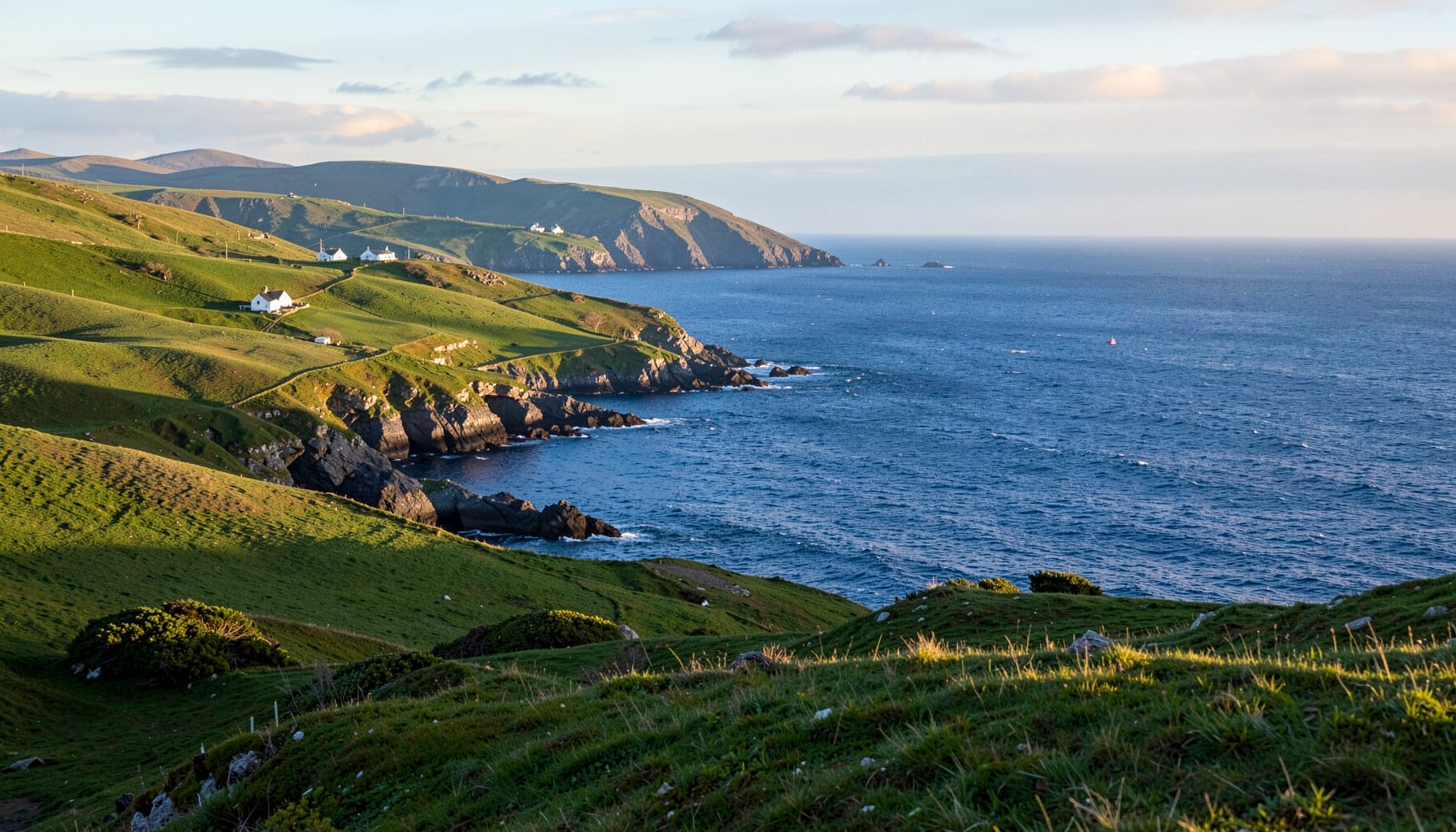
A guide to Irish language summer colleges and immersion courses
Learning Irish in Ireland is a chance to move beyond memorising phrases and encounter the language in the places where it has lived for generations. Summer colleges, known locally as coláistí samhraidh, combine classroom lessons with conversation, music, sport, storytelling and everyday life in an Irish-speaking community.
These programmes are generally based in Gaeltacht areas, officially recognised regions where Irish remains a community language. Students may stay with host families, attend lessons during the day and take part in organised activities in the afternoon and evening. The experience can suit teenagers, university students, adults and families, although each college has its own age range and teaching style.
For Australians, an Irish course can fit neatly into the northern-hemisphere summer, which falls during the June to August winter school holidays at home. It also offers a richer reason to travel beyond Dublin, with time in coastal villages, market towns and heritage landscapes such as the Iveragh Peninsula and the Skellig Coast.
What immersion really means
An immersion course does not mean that every conversation will be difficult or that English is forbidden from the moment you arrive. It means Irish is given a central role throughout the day, so learners hear it in class, at meals, during games and in informal conversations. Teachers usually adjust their language to suit beginners while encouraging students to use even simple words for themselves.
A typical lesson may cover pronunciation, sentence structure, useful vocabulary and short conversations. Outside class, the language becomes connected to real activities: asking for directions, describing the weather, singing a traditional song or joining a group game. This repeated contact helps students develop listening confidence, which is often harder to build through an app or weekly evening class.
The social setting matters as much as the timetable. Living with a host family can reveal how Irish is used naturally between generations, while a residential programme may create a lively peer group of learners from Ireland and overseas. Neither option is automatically better; the right choice depends on age, confidence, independence and the kind of support a student needs.
How Irish summer colleges are organised
Most children’s and teenagers’ colleges run for two or three weeks, although shorter adult courses and intensive residential programmes are also available. Lessons often take place on weekday mornings, with sports, excursions, céilithe, music sessions and cultural workshops filling the rest of the day. Some colleges have a strong focus on spoken Irish, while others balance oral work with reading and grammar.
Residential courses may be hosted in a school, community centre or purpose-built campus. Host-family courses can feel more connected to local life, but the standard of accommodation, supervision and transport arrangements should be checked carefully. Ask whether students travel together to class, how dietary needs are handled and who is responsible for evening activities.
Irish is taught at several levels, from complete beginner to advanced speaker. A student who already knows a little Irish should look for a placement process rather than choosing a course based only on age. Adults may prefer a smaller class and slower pace, while secondary students often benefit from a structured programme with plenty of group activities.
What to check before booking
Choosing a college is easier when practical details are treated as part of the learning experience. A remote coastal setting may offer a stronger sense of place, but it can involve longer transfers and fewer shops. A course near a larger town may provide more transport options, medical services and activities, while still offering access to Irish-speaking communities.
Fees commonly cover tuition and some activities, but flights, airport transfers, travel insurance and personal spending may be separate. Families travelling from Australia should also check cancellation terms, passport requirements, medication arrangements and whether the college provides a named contact for parents overseas.
- Irish level, age range and class size
- Host-family or residential accommodation
- Supervision, meals and transport arrangements
- What the course fee includes
The word “Gaeltacht” covers several different regions, each with its own character and dialect. Donegal Irish has distinctive sounds and vocabulary, while Connacht and Munster varieties may sound different again. This is a benefit rather than a problem: learners discover that Irish, like Australian English, has regional voices and expressions.
Preparing for the experience from Australia
Australian students usually need to plan around long travel distances and a substantial time difference. A flight from Sydney, Melbourne, Brisbane or Perth may require a connection before reaching Ireland, so arriving a day early can make the first morning less exhausting. Dublin is the main international gateway, but a course may be several hours away by bus, train or arranged transfer.
Ireland’s summer is mild compared with an Australian summer, though the weather can change quickly. Pack a waterproof jacket, comfortable walking shoes and layers rather than relying on warm-weather clothing. A Victorian winter traveller may already be prepared for cool mornings, while someone leaving Queensland may underestimate how useful waterproof clothing can be.
Australian families should also allow time for school calendars, consent forms and currency arrangements. The June and July break can line up well with Irish colleges, but popular sessions may fill months in advance. In everyday terms, students may need reassurance that “grand” means fine, “wee” often means small and “craic” refers to fun or social enjoyment, not anything illicit.
Building a wider cultural itinerary
An Irish language course becomes more memorable when it is connected to the surrounding region. Students might visit a local museum, explore a coastal walking route, listen to traditional musicians or learn how place names preserve older stories. These experiences give vocabulary a physical setting and help learners understand that Irish is tied to landscape, family history and community identity.
The Skellig Coast, stretching from Kells towards Castlecove on the Iveragh Peninsula, is particularly valuable for this kind of cultural exploration. Although the main Irish-language colleges may be located elsewhere in Kerry or in other Gaeltacht regions, the area offers strong connections to folklore, maritime history, monastic heritage and the wider Ring of Kerry. Skellig Michael, a UNESCO World Heritage Site and former monastic settlement, also has a powerful place in modern popular culture as a Star Wars filming location.
Travel planning should leave room for distance and weather. Boat trips to Skellig Michael depend on sea conditions and usually require advance arrangements, while cliff paths and coastal roads deserve a sensible pace. For broader regional ideas before or after a course, regional travel inspiration can sit alongside official Irish tourism, transport and heritage sources.
Making Irish part of daily life
Progress usually comes from small, repeated attempts rather than trying to speak perfectly. Keep a notebook of phrases heard at breakfast, write labels for ordinary objects and practise ordering or greeting people in Irish when the situation is appropriate. Listening to Irish-language radio, songs and podcasts after returning home helps prevent the course from becoming a single isolated memory.
An Australian learner can also connect Irish with familiar local language experiences. Many people in Australia already understand the importance of Indigenous place names, community language revival and respectful cultural learning. That does not make Irish and Aboriginal or Torres Strait Islander languages interchangeable, but it can provide a useful starting point for thinking about language, land and identity.
Back home, look for conversation groups, university societies, cultural festivals and online classes. Irish communities in Melbourne, Sydney, Adelaide, Perth and regional centres may offer music sessions or informal gatherings, while libraries and adult education providers sometimes run introductory courses. Continuing for twenty minutes several times a week is more sustainable than waiting for another overseas trip.
Useful habits after returning home include:
- Revising phrases from the summer course each week
- Listening to short Irish-language recordings
- Joining a local music, language or cultural group
- Keeping a simple diary with new vocabulary
A successful immersion course should leave students with practical language, stronger listening skills and a clearer sense of Ireland’s regional diversity. It may also change the way they notice names, songs and stories in places such as Kerry, where the landscape carries layers of Irish and English history.
For families, the best preparation is straightforward: compare colleges carefully, choose a course that matches the learner’s age and level, and build in enough time for rest and cultural discovery. For adults, an immersion programme can be a focused holiday, a pathway into further study or a way to reconnect with family heritage.
Begin by listing suitable dates, preferred regions and the level of support required, then contact recognised colleges directly for current availability and fees. With thoughtful planning, an Irish-language summer can become both a rewarding course and a meaningful way to experience the communities, heritage and landscapes of Ireland.