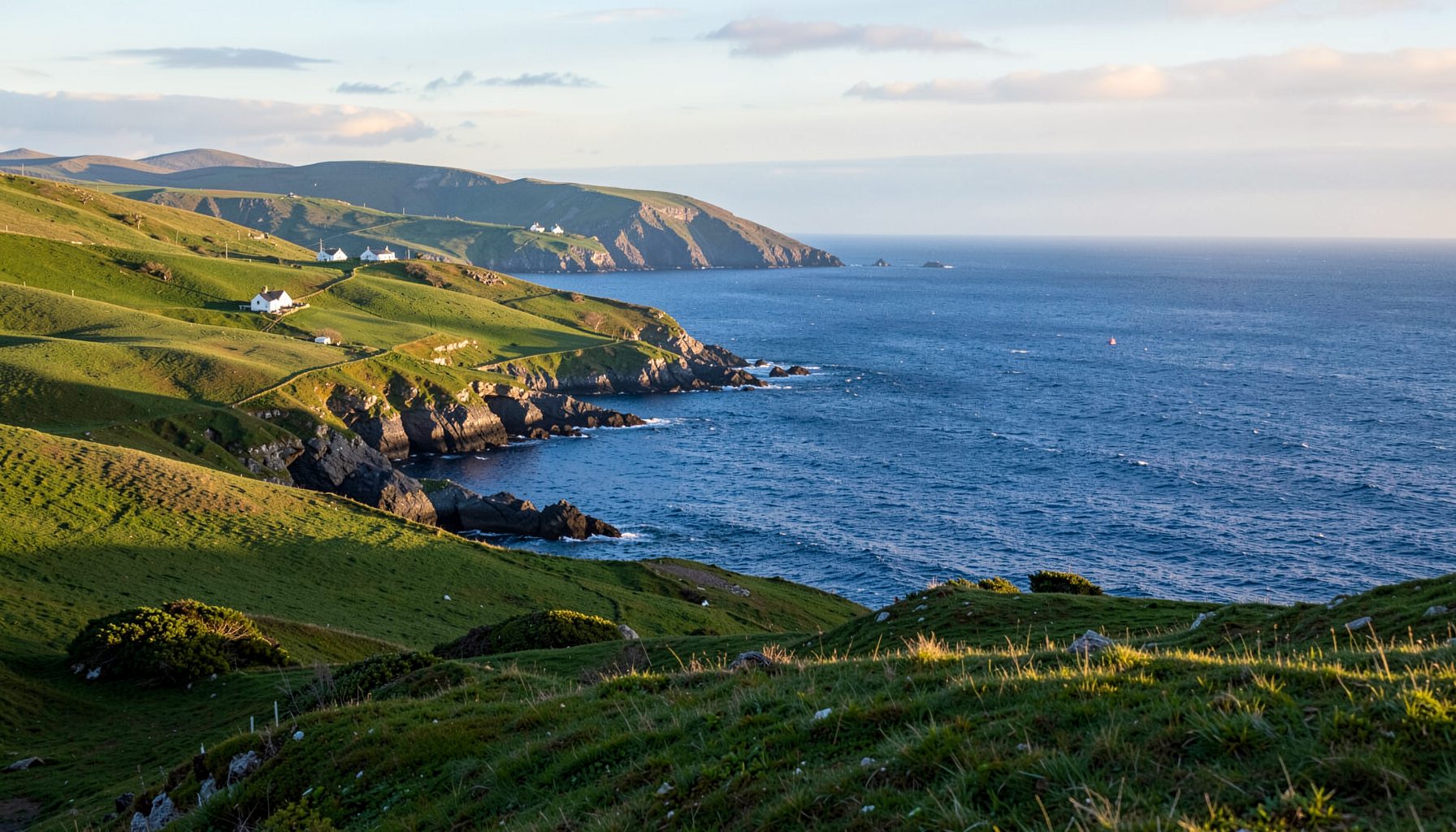
Horse riding trails and equestrian centres on the Ring of Kerry
Horse riding on the Ring of Kerry offers a quieter way to experience Ireland’s Iveragh Peninsula. Guided trail rides pass through woodland, mountain foothills, rural lanes, beaches and open Atlantic landscapes, with routes varying from short introductory treks to longer outings for confident riders.
For visitors from Australia, the experience is different from a standard bush ride or beach hack at home. Irish weather can change quickly, daylight varies significantly by season, and many rides follow working farmland or public roads rather than a single marked equestrian trail. Booking with a local centre gives riders the safest and most practical way to explore.
| Area | Typical riding setting | Best suited to | What to check |
|---|---|---|---|
| Killarney | Woodland, parkland, mountain views and rural tracks | First-time visitors and mixed groups | Ride length, pace and National Park access |
| Rossbeigh and Glenbeigh | Wide Atlantic beach and countryside | Riders wanting beach riding | Tides, wind and seasonal availability |
| Waterville | Coastal countryside, lanes and upland scenery | Riders exploring the Skellig Coast | Weather, footwear and minimum age |
| Wider Iveragh Peninsula | Farm tracks, hills and local roads | Experienced riders on guided treks | Fitness requirements and transport between villages |
Choosing a ride that matches your experience
Irish riding centres generally assess ability before setting off. A beginner ride may stay at walking pace, while a more advanced group could include trotting or cantering where the ground, tide and group confidence allow it. Be accurate when describing your experience: riding once a year on holidays is different from regularly schooling, jumping or riding long distances.
Most operators provide a riding helmet, although visitors should confirm this at the time of booking. Wear long trousers and closed shoes with a small heel. Australian riders accustomed to jodhpurs, paddock boots or riding jeans will usually find their normal gear suitable, but runners are less secure in stirrups and can be uncomfortable on longer treks.
The length of a ride matters as much as the scenery. A one-hour trek can be ideal for families or a first experience, while a two- or three-hour excursion requires balance, leg strength and comfort in the saddle. Ask whether the advertised duration includes mounting, safety instructions and tack checks.
Riding near Killarney National Park
Killarney is the most convenient base for visitors combining horse riding with lakes, historic estates and mountain scenery. Killarney Riding Stables is a well-known local operator offering guided rides in and around the National Park area. Depending on the selected outing, riders may see woodland, open parkland, old stone features and views towards the MacGillycuddy’s Reeks.
The landscape around Killarney changes quickly. Oak woodland can give way to open ground, with mist hanging over the hills and rain making tracks soft underfoot. This is a different feel from a dry Australian trail through eucalypts or a broad, sandy stock route. Horses and guides are accustomed to local conditions, but riders still need to follow instructions about pace and spacing.
Killarney National Park is a protected landscape, so access is managed and routes can change. Horses cannot simply be taken anywhere that looks suitable. Guided operators work within local arrangements and may alter a route because of ground conditions, forestry work, conservation needs or busy visitor periods.
Killarney is also a useful base for a non-riding companion. While one person is on a trail, others can explore Muckross House and Gardens, Ross Castle, the lakeshore or the town’s walking routes. This makes the area practical for Australian families or mixed-interest groups travelling in a hire car.
Beach riding around Rossbeigh and Glenbeigh
Rossbeigh Strand, near Glenbeigh, is one of the most memorable places for horse riding on the Ring of Kerry. Burkes Beach Riding is associated with guided beach rides in this area, where the long strand opens towards Dingle Bay and the Atlantic. The broad beach creates a strong sense of space, especially outside the busiest summer periods.
Beach rides depend heavily on tide, wind, surf and daylight. A low tide may provide firmer sand, but conditions are never guaranteed. Riders should expect the itinerary to change if the beach is too soft, rough or crowded. Cantering is a privilege rather than an automatic part of the booking, and it will depend on the group, the horses and the guide’s judgement.
Glenbeigh is a compact village on the scenic route between Killorglin and Cahersiveen. It can work well as a stop during a broader Ring of Kerry drive, although road times are often longer than they appear on a map. Narrow lanes, cyclists, tractors and sheep can slow travel, so allow extra time before a riding appointment.
Australian visitors may find the Atlantic beach atmosphere familiar in principle, but the water temperature and weather are very different from many Queensland, New South Wales or Western Australian beaches. Even in summer, a waterproof jacket and warm layer belong in the day pack. “Summer” in Kerry does not mean reliably hot conditions.
Equestrian options on the Skellig Coast
Waterville is one of the most useful bases for horse riding on the Skellig Coast. Waterville Equestrian Centre is associated with guided trekking in the surrounding coastal and rural landscape. Depending on the current programme, rides may use quiet lanes, countryside and upland areas rather than following the shore itself.
The Skellig Coast stretches through communities such as Caherdaniel, Castlecove, Waterville and Ballinskelligs. It is a region of stone walls, bogland, small fields, mountain passes and dramatic sea views. A horse trek here is generally a local experience rather than a fast-moving sightseeing excursion. The guide may pause to manage gates, traffic, livestock or changing ground.
Skellig Michael, the UNESCO World Heritage Site offshore, is an important regional landmark, but horse rides do not travel to the island. Access involves a boat trip and a demanding climb when landing conditions permit. A riding day can be combined with views towards the Skelligs from the mainland, while boat departures and equestrian bookings should be treated as separate activities.
Because the Skellig Coast is more dispersed than Killarney, check the exact meeting point before booking. A centre may be outside the village named in its listing, and mobile reception can be patchy in rural valleys. Download directions, save the phone number and avoid relying entirely on live navigation once you leave the main roads.
Safety, etiquette and responsible trail riding
Ireland’s rural riding environment includes gates, loose stones, streams, forestry tracks, passing vehicles and livestock. Stay behind the guide, keep a safe distance from the horse ahead and close gates when instructed. Do not feed a horse without permission, even if it appears friendly. Guides match horses and riders carefully, and their decisions about pace are based on safety rather than entertainment value.
Wear layers that can handle rain, mud and wind. Waterproof trousers are useful for longer rides, while gloves can make a difference on cool days. Sunscreen remains worthwhile, particularly on exposed beaches, where cloud can hide strong ultraviolet light. Riders should bring only essentials in a secure pocket or small bag; phones and cameras need protection from rain and falls.
Riding centres may have minimum ages, weight limits, fitness expectations and restrictions for pregnant riders or people with certain injuries. These policies vary and should be checked directly. A centre may also require riders to sign a waiver or arrive early for helmets, mounting assistance and a safety briefing.
Responsible riding helps protect the places that make the Ring of Kerry special. Follow marked or guided routes, avoid damaging bogland and dunes, and do not leave rubbish behind. On beaches, stay clear of nesting areas and follow local directions about dogs, walkers and seasonal access. Quiet, considerate riding is especially important in small communities where farms and tourism share the same roads.
Planning from Australia
The best time to ride depends on priorities. Late spring and summer usually offer longer daylight, but July and August can be busy and popular sessions may sell out. Autumn brings rich colour and fewer visitors, while winter rides may have limited schedules and shorter daylight. Australian travellers planning around school holidays should book early and confirm the Irish date carefully, as the seasons are reversed.
Allow more time between activities than you might in an Australian regional tourism area. A route that looks short in kilometres can take longer because of winding roads, stone walls, cyclists and traffic near villages. If travelling from Cork, Dublin or Kerry Airport, plan the first riding booking with a generous buffer rather than scheduling it immediately after landing.
When comparing prices, check what is included, whether the rate is in euros, and whether payment is taken online or at the centre. Australian bank cards generally work well, though foreign transaction fees may apply. Local businesses may use email, phone calls or social media rather than a large central booking platform, so direct contact is normal. An “arvo” departure time is not a standard Irish phrase; use the exact time and meeting location given by the operator.
A car is often the easiest way to connect Killarney, Glenbeigh, Waterville and the smaller Skellig Coast villages. Public transport can reach major towns, but it may not serve rural stables at the required time. Build the riding day around one area instead of trying to cross the whole peninsula between appointments.
A guided horse ride adds a personal, grounded dimension to a Ring of Kerry itinerary. Check current routes, age and ability requirements, meeting points, tide information and weather policies directly with the chosen centre, then set out prepared for the Atlantic climate and rural roads. With the right planning, riders can enjoy Killarney woodland, Rossbeigh’s open strand or the coastal country around Waterville while supporting the local communities that care for these landscapes.