A Guide to Community Gardens and Allotments in Iveragh
Across the Iveragh Peninsula, growing food is closely connected with weather, family knowledge, local identity and the practical realities of rural life. A community garden may be a shared vegetable plot beside a village hall, a school garden, a network of raised beds, or an informal project maintained by neighbours. Allotments can be equally varied, ranging from individually tended plots to small clusters managed by a community organisation.
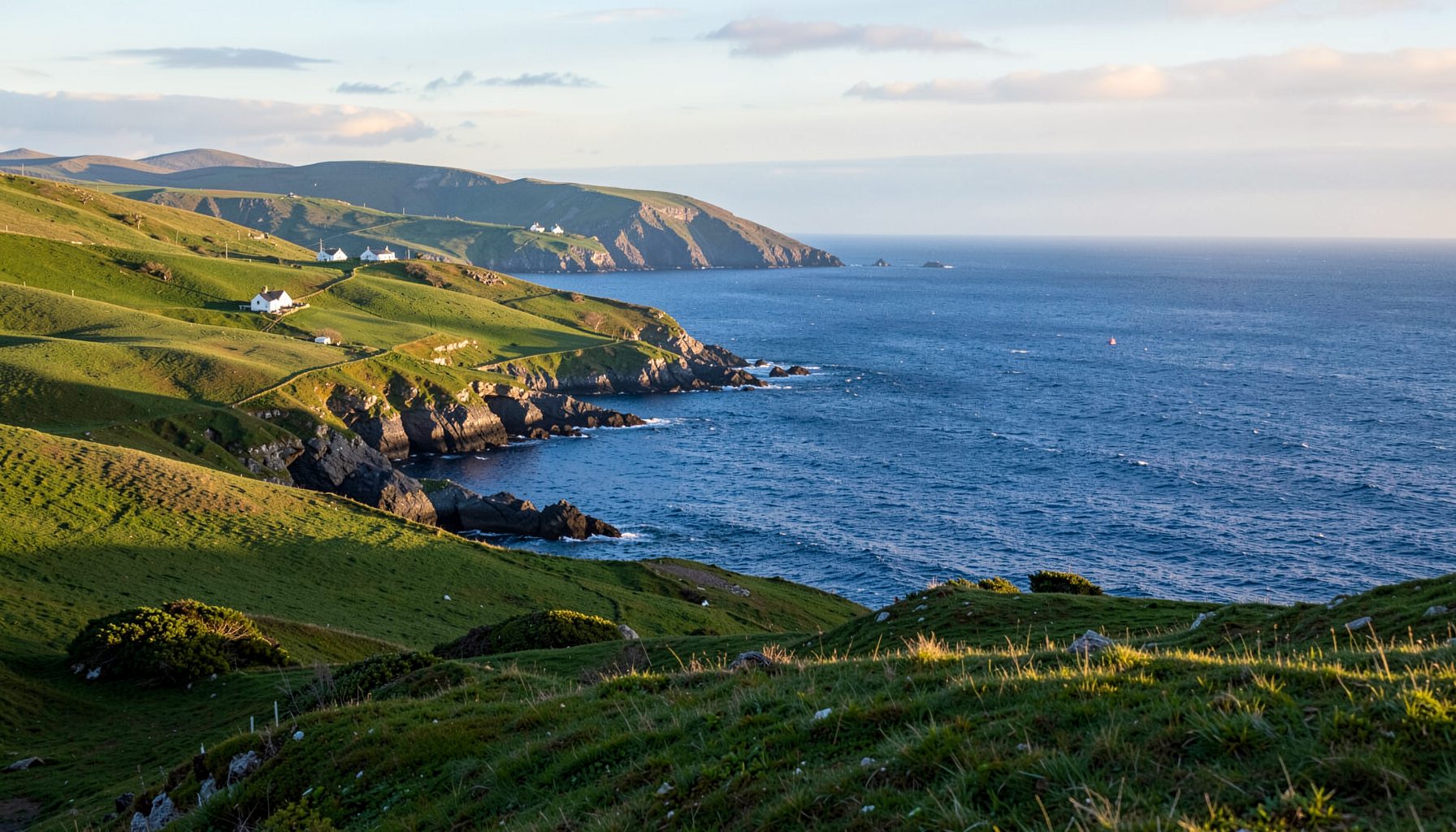
The Skellig Coast stretches from Kells towards Castlecove, covering villages, townlands and coastal communities with different needs and resources. Some projects are easy to find through a local noticeboard or community Facebook page, while others are known chiefly by residents. This guide explains how these growing spaces work, what visitors and new growers can expect, and how they contribute to life across Iveragh.
For readers in Australia, the scale may feel familiar in some ways and quite different in others. A community garden in Melbourne or Sydney can have formal membership, tool libraries and regular working bees, while an Iveragh plot may depend on a parish group, a tidy towns committee, a school or a rural development initiative. The shared principles remain recognisable: grow locally, exchange skills, reduce waste and create a welcoming place to meet.
Gardening on the peninsula also requires respect for Atlantic conditions. Wind, salt exposure, heavy rainfall, cool summers and short growing windows influence what can be planted and when. The result is a style of gardening that values shelter, resilient crops, soil improvement and careful use of every productive corner.
How Shared Growing Spaces Work
Community gardens are usually collective spaces where people grow vegetables, herbs, flowers and fruit together. Some divide the site into personal beds, while others manage everything communally. A shared plot might supply produce for volunteers, a community café, a school kitchen or local events. The arrangements differ, so anyone interested should check who manages the space and whether it welcomes drop-in volunteers.
Allotments are generally more individual in character. A person or household may tend a defined plot, choosing crops and methods within agreed rules. In Iveragh, the term can cover small-scale growing areas attached to a community facility rather than the large municipal allotment estates found in parts of Britain or Australia. There may be waiting lists, seasonal access arrangements or informal allocation through a local group.
The most reliable starting points are village noticeboards, local newsletters, community development companies, libraries, schools and social media pages. Residents can also ask at farmers markets, local shops or community centres. In smaller settlements, a conversation at a Saturday market can reveal more than a formal online directory, particularly when a new garden is still being organised.
Finding Gardens From Kells To Castlecove
The Skellig Coast includes dispersed communities, so growing projects may not appear under one peninsula-wide name. Look for terms such as community garden, shared growing space, allotment, polytunnel project, school garden, men’s shed garden or biodiversity plot. A project can be primarily educational or social rather than focused on producing large quantities of food.
Travelling between villages also requires realistic planning. Public transport is limited in many rural areas, and some sites may be reached more easily by car, bicycle or a lift with another volunteer. Visitors should never assume that a fenced plot is open to the public. Ask before entering, follow signs, and avoid picking produce unless permission is clearly given.
Local groups often welcome practical help more readily than occasional sightseeing visits. Weeding, watering, repairing beds, turning compost and preparing a polytunnel are useful contributions. Someone with experience of dry-climate gardening in Adelaide or Perth may have valuable skills, but Iveragh’s wet and windy conditions call for adaptation rather than direct transfer of methods.
Crops, Soil And Atlantic Weather
Leafy greens, potatoes, onions, carrots, peas, beans, herbs and hardy brassicas are well suited to many Irish growing conditions. Rhubarb, soft fruit and perennial herbs can also perform well where they receive shelter. A polytunnel extends the season for tomatoes, cucumbers, peppers and tender seedlings, although ventilation is essential when bright weather arrives.
Soil preparation is one of the central tasks in a community plot. Compost, leaf mould and well-rotted organic matter help improve structure and fertility, while raised beds can make cultivation easier on wet ground. Mulching reduces bare soil, protects roots and limits weed growth. Groups should source compost and manure responsibly, particularly where runoff could affect streams, beaches or sensitive habitats.
Wind protection is often more important than intense summer heat. Hedges, woven willow, fencing and carefully placed structures can create useful shelter, though solid barriers may cause turbulence if poorly designed. Salt-laden air near the coast can damage tender foliage, so robust varieties and protected beds are sensible. Australian gardeners accustomed to watering restrictions may find the opposite challenge here: managing excess moisture and preventing waterlogged roots.
A garden’s crop calendar should reflect local conditions rather than a generic online schedule. Seeds may be started under cover, planted out gradually and protected with fleece during cold spells. Regular observation matters more than strict dates. A productive shared garden records what worked, which beds drained poorly, when pests appeared and how much shelter each crop required.
Community Benefits Beyond The Harvest
The value of a garden cannot be measured only in kilograms of vegetables. Shared growing spaces offer regular social contact, especially for older residents, newcomers and people living alone. They create gentle opportunities to learn, work outdoors and contribute at a comfortable pace. A morning spent sowing seeds can become a dependable point of connection in a village where other activities are seasonal.
Gardens can also support local learning. Children may discover where food comes from, while adults can exchange knowledge about seed saving, cooking, preserving and native planting. Schools and youth groups can use beds to explore science, biodiversity and local history. A garden beside a hall or learning hub can become an outdoor classroom with very little formal equipment.
Community produce may be used in shared meals, food-growing workshops or local fundraising. Surplus can be offered through a community fridge, distributed among volunteers or sold at a modest local stall where regulations allow. This links growing projects with the wider food culture of Iveragh, where seasonal produce, home baking and preserves are often valued at village events and weekend markets.
For an Australian audience, the social rhythm may resemble a neighbourhood working bee in Brisbane, a community garden roster in Melbourne or a school garden project in Hobart. The difference is often scale and distance. Iveragh groups may have fewer volunteers and more limited funding, making practical reliability especially important. Turning up regularly, sharing tools and leaving a site tidy can matter as much as specialist horticultural knowledge.
Responsible Participation And Local Connections
Visitors should treat each garden as a community asset rather than a public attraction. Follow access arrangements, keep dogs under control, close gates, avoid disturbing compost systems and ask before photographing people or private plots. If a project requests donations, tools or volunteer hours, even a small contribution can help cover seeds, timber, water fittings and protective materials.
Garden groups may also connect with wider coastal and environmental networks. Mapping, communication and local safety information are useful when communities work around exposed shorelines, harbours or remote access roads. Resources such as coastal rescue maps demonstrate how clear geographic information can support public awareness, although visitors should always rely on Irish emergency services and local guidance for current conditions.
A new project does not need a large field. Several raised beds, a sheltered corner, a water butt and a clear agreement about maintenance can provide a strong beginning. Before planting, groups should decide who owns or leases the land, who pays for materials, how tools are stored, how produce is shared and what happens during winter. Written arrangements prevent misunderstandings when volunteers or committee members change.
Local businesses may support a garden with donated materials, while cafés, schools and markets can provide opportunities for using surplus produce. In Australia, growers are familiar with farmers markets, community-supported agriculture and neighbourhood produce swaps; similar ideas can be adapted to Iveragh without importing an urban model wholesale. A small honesty box or seasonal stall may suit one village, while another may prefer a communal soup day or harvest gathering.
A community garden can also strengthen the visitor experience without becoming a tourism product. People walking the Skellig Coast may appreciate seeing how residents grow food in a demanding climate, but the priority should remain local use and local control. Gardens work best when visitors are welcomed on community terms and when the project reflects the character of its village.
Anyone hoping to join a growing project on the Iveragh Peninsula should begin locally: check village notices, contact community organisations, visit a market and introduce yourself politely. Bring patience, practical help and a willingness to learn from the weather and the people who know the ground. By supporting shared gardens and allotments, residents and visitors can help keep food skills, social connections and community-led care rooted in the Skellig Coast.