Where to Find the Best Seafood Along the Skellig Coast
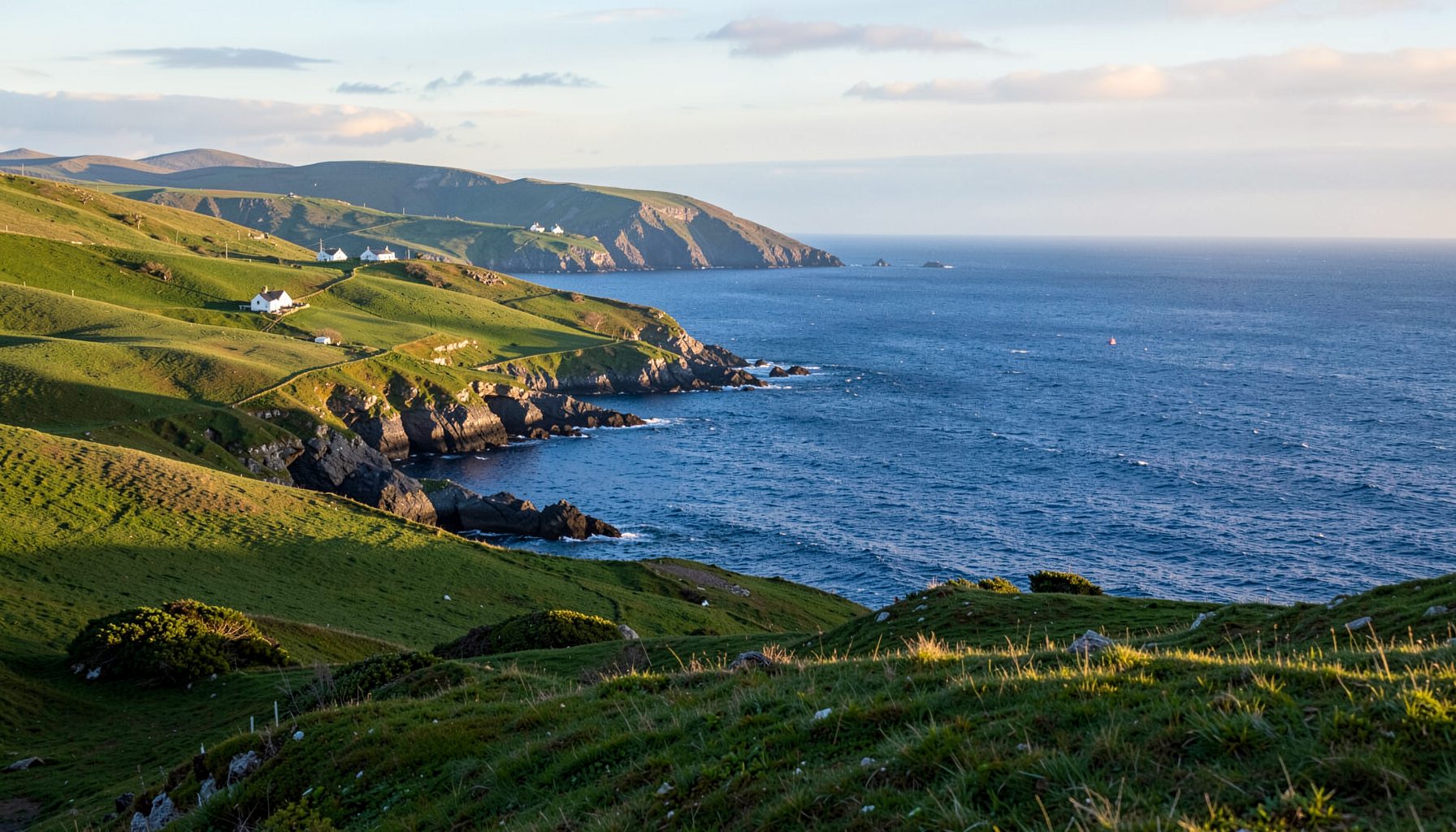
The Skellig Coast is a place where the sea shapes daily life, local identity and the character of each village. From Kells and Cahersiveen to Valentia, Portmagee, Waterville, Caherdaniel and Castlecove, seafood appears in many forms: fish suppers, chowder, crab sandwiches, shellfish platters and carefully prepared restaurant dishes.
The best seafood experience is rarely about finding one definitive venue. It is about understanding the coastline, choosing places with a strong connection to nearby harbours, and paying attention to what is fresh on the day. Menus can change with landings, weather, fishing conditions and seasonal availability.
Visitors will find seafood in restaurants, cafés, pubs, food trucks, takeaways, farm shops and local food counters. Some offer a relaxed lunch overlooking the water, while others create a more formal setting for lobster, oysters or a locally sourced fish course. The following guide helps identify where to look and what to expect across the region.
Begin With The Harbour Villages
Portmagee is one of the most natural places to begin a search for fresh seafood. The village sits beside a busy channel and serves as a departure point for boat trips towards the Skellig Islands. Its waterfront setting makes it well suited to fish-focused lunches and evening meals, particularly when restaurants are working with fresh daily supplies.
Valentia Island offers a different but equally rewarding food experience. Knightstown, the island’s main village, has a strong maritime atmosphere, while nearby fishing activity and coastal views add context to a seafood meal. Look for dishes that make the main ingredient clear rather than burying it beneath heavy sauces. Fresh fish, crab, mussels and prawns can all be excellent choices when they are listed as local or landed nearby.
Cahersiveen is another useful base for seafood, especially for visitors exploring the northern side of the Iveragh Peninsula. Its cafés, pubs and restaurants serve a broad range of food, so seafood may appear as a daily special rather than a permanent menu item. Asking what arrived that morning can lead to a better choice than ordering automatically from the printed menu.
Follow The Coast Towards Waterville
Waterville combines a well-known seaside setting with a selection of places to eat in and around the village. Its position along the Atlantic coast makes it an appealing stop for fish and shellfish, especially after a walk along the promenade or a day exploring the Skellig Ring.
The most dependable approach is to look for concise menus that change regularly. A short list of fish dishes may indicate that a kitchen is responding to supply rather than relying on frozen, standardised options. Grilled fish, seafood chowder, smoked salmon and battered fillets each suit a different occasion, from a quick lunch to a slower evening meal.
Waterville is also a good place to compare informal and full-service dining. A takeaway can be ideal after a coastal walk, while a restaurant may offer more detail about the origin, preparation and seasonality of the seafood. Local recommendations from food providers, visitor information points and community businesses can help identify what is particularly good during a specific week.
Explore Caherdaniel And Castlecove
The coast around Caherdaniel and Castlecove is quieter and more spread out, with small beaches, coves and historic sites shaping the visitor experience. Seafood here works well as part of a wider day rather than as a single-purpose excursion. A walk, heritage visit or scenic drive can end with a pub meal, café stop or simple dish featuring fish from the region.
Caherdaniel is close to Derrynane, an area associated with Daniel O’Connell and some of the peninsula’s most significant historical landscapes. Castlecove, meanwhile, offers a beautiful coastal setting and access to the heritage of the wider Iveragh Peninsula. Before or after a seafood meal, visitors can explore the area’s stories, including the Ballycarbery Castle restoration, which reflects the importance of conserving the region’s built heritage.
Because smaller settlements may have fewer food outlets and more limited opening hours, planning matters. Check whether a venue is open outside the main summer season, and avoid assuming that every coastal business serves food throughout the day. A packed lunch from a local shop can complement an evening seafood meal when travelling between villages.
Know What To Look For On The Menu
A strong seafood menu gives some indication of provenance and preparation. Words such as “day boat,” “local catch,” “landed in Kerry” or the name of a named fishery can provide useful context, although supply chains may vary. Responsible businesses should be able to explain whether an item is fresh, frozen, smoked or sourced from outside the region.
Species commonly associated with Irish coastal menus include hake, cod, pollock, mackerel, haddock, plaice, crab, mussels, prawns, oysters and lobster. Availability depends on season, weather, regulation and the day’s catch. A dish featuring an unfamiliar fish can be worth choosing when the staff can explain its flavour and preparation.
| Seafood Choice | What To Expect | Good Setting |
|---|---|---|
| Fish and chips | Crisp, informal and convenient after a walk | Harbour villages and seaside takeaways |
| Seafood chowder | Comforting, often made with a changing mix of fish and shellfish | Pubs, cafés and relaxed restaurants |
| Crab or prawn dish | Light, briny and suited to a simple lunch | Waterfront cafés and casual dining rooms |
| Grilled fish | Highlights texture and freshness without a heavy coating | Restaurants with changing daily menus |
| Mussels or oysters | Seasonal shellfish with a strong connection to the Atlantic | Specialist seafood menus and evening dining |
| Lobster | A special-occasion choice that may require advance planning | Full-service restaurants and selected coastal venues |
The best choice also depends on how much time is available. Chowder and a seafood sandwich suit a short stop, while a whole fish or shellfish course calls for a slower meal. Diners should mention allergies clearly, especially where kitchens handle molluscs, crustaceans and fish in close proximity.
Match Seafood With The Season
Summer brings the greatest choice for visitors, with longer opening hours and more opportunities to eat outdoors. This is also the busiest period, so popular restaurants and small cafés may fill quickly. An early lunch or booking ahead for an evening meal can make the experience more relaxed.
Spring and autumn offer a quieter atmosphere and can be ideal for travellers who want to combine seafood with walking, heritage and landscape. Menus may be shorter, but the food can be just as rewarding. Some businesses reduce their hours after the main tourist season, so current opening information is important.
Winter requires the most preparation. Storms, rough seas and seasonal closures can affect both fishing activity and food service. Even so, a warm bowl of chowder or a well-prepared fish dish can be particularly satisfying at this time of year. Local shops and community noticeboards can be useful sources of information when online listings are outdated.
Plan A Seafood-Focused Day
A seafood day along the Skellig Coast does not need to follow a rigid itinerary. Start with a morning visit to a harbour or island village, then combine lunch with a short walk, a beach visit or a heritage stop. Portmagee and Valentia are well suited to this approach, while Caherdaniel and Castlecove offer a slower rhythm built around scenery and history.
Visitors travelling the Ring of Kerry should allow extra time between stops. Narrow roads, viewpoints and changing weather can make journeys slower than expected, and rushing from one meal to the next misses much of the area’s character. A simple plan with one main seafood meal and one lighter stop usually leaves room for exploration.
Look beyond restaurant dining as well. Local food shops may sell smoked fish, prepared salads, crab, prawns or other regional products for a picnic. This can be an excellent option near a beach or viewpoint, provided food is kept cool and visitors follow local guidance about litter and responsible access.
Make Thoughtful Seafood Choices
A few practical habits can improve both the meal and its connection to the region:
- Ask which fish or shellfish is freshest that day before choosing from the menu.
- Prefer businesses that explain sourcing, seasonality and preparation clearly.
- Book ahead during summer, especially for small restaurants in harbour villages.
- Check opening hours before travelling to quieter coastal settlements.
- Support local shops, cafés, fish counters and community food initiatives as well as restaurants.
Responsible seafood choices also involve respecting the people and places that make the coastal food culture possible. Fishing communities depend on healthy marine environments, while small food businesses depend on visitors who arrive with patience and realistic expectations. Choosing seasonal dishes, avoiding unnecessary waste and following local recycling or disposal guidance all help protect the coastline.
Food is one of the most direct ways to experience the Skellig Coast, but it should sit alongside the region’s wider heritage. A seafood lunch can be part of a day that includes a harbour, a historic ruin, a local exhibition, a walking route or a conversation with people who know the area well.
Use the Skellig Coast website to explore the villages, heritage sites, learning hubs and community events that surround the region’s seafood culture. Then build a coastal food trail that includes a harbour meal, a seasonal local dish and time to experience the landscapes between Kells and Castlecove.