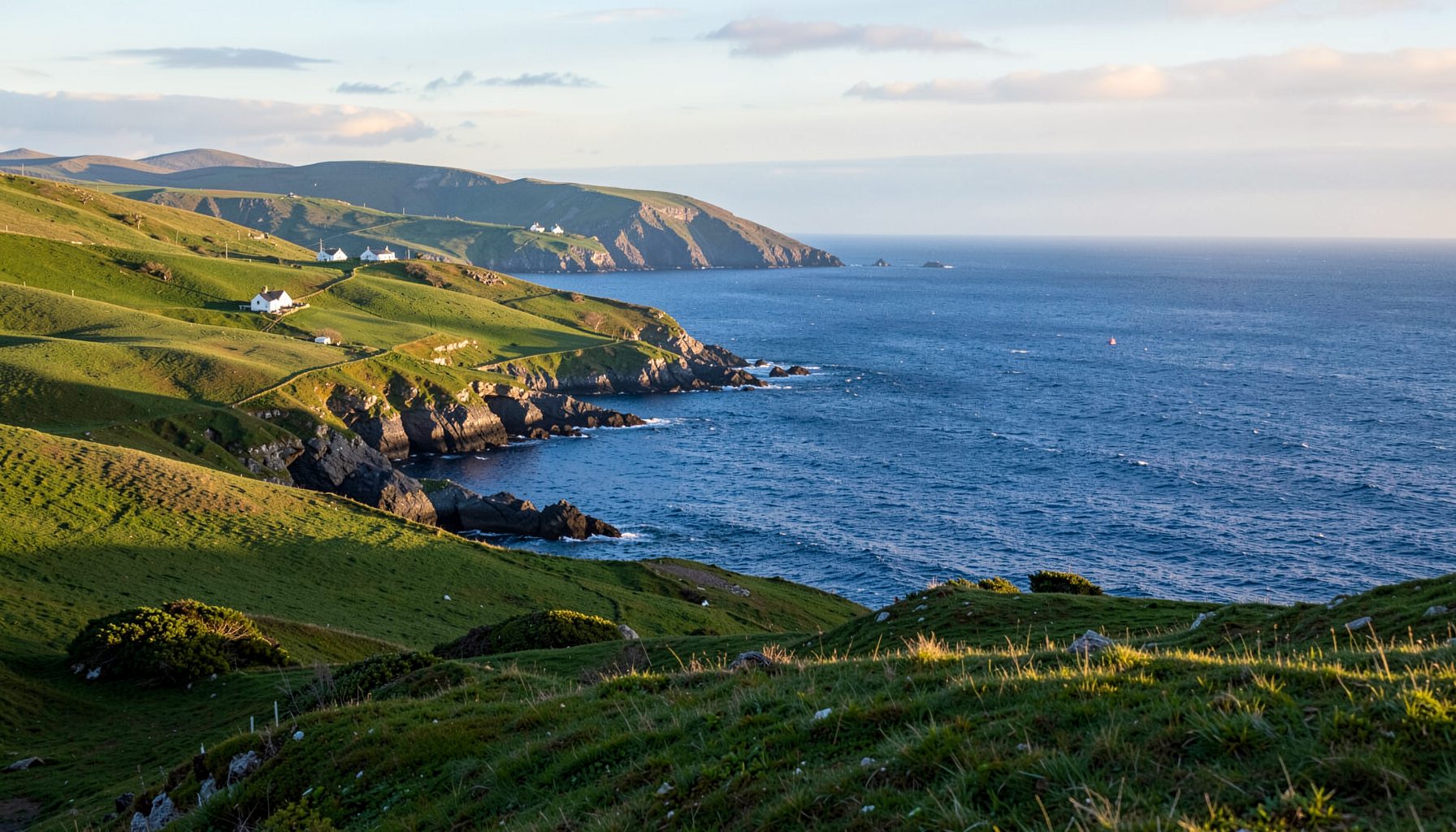
Traditional Music Festivals Along The Skellig Coast
Traditional music on the Skellig Coast is closely tied to place. From Kells and Cahersiveen to Waterville, Portmagee, Valentia Island, Ballinskelligs and Castlecove, music can be heard in community halls, pubs, churches, outdoor gatherings and village festivals. The sound is shaped by the landscape, but also by generations of local musicians, singers, dancers and storytellers.
The region sits within the wider musical culture of County Kerry, where sessions and social dances remain important parts of community life. A festival may centre on a concert, a céilí, a workshop or a heritage celebration, yet the most memorable moments often happen informally when musicians gather after an organised event.
Visitors who want to experience this tradition should approach it as a living culture rather than a staged performance. Listening respectfully, supporting local venues and taking time to learn the difference between a concert, a session and a dance event can make a visit more rewarding.
A Living Soundscape Of Iveragh
The music of the Skellig Coast belongs to a broad Irish traditional repertoire. Reels, jigs, hornpipes, slides, polkas, slow airs and songs may all feature during a festival or evening session. Fiddle, concertina, accordion, flute, tin whistle, banjo and guitar are common instruments, while the bodhrán may provide a steady rhythmic foundation.
Local style is rarely defined by a single sound. A musician may have learned from family, neighbours, teachers, recordings or regular sessions in several towns. Kerry’s musical identity includes regional dance tunes and distinctive approaches to rhythm, ornamentation and phrasing, but every performer brings a personal interpretation.
Singing also has an important place. Unaccompanied traditional songs can carry stories of emigration, courtship, work, hardship, landscape and local memory. A quiet song between lively tunes may change the atmosphere of an entire evening, giving a festival a sense of intimacy that a large concert cannot always create.
How Festivals Bring Communities Together
Traditional music festivals usually combine several strands of activity. A programme might include an opening concert, a set-dancing night, instrumental workshops, a singing session, a lecture on local heritage and informal gatherings in village venues. This variety allows experienced performers, learners and listeners to share the same event without needing identical levels of knowledge.
The social side is just as significant as the music itself. A céilí creates an easy meeting point for residents and visitors, while a session gives musicians a chance to exchange tunes and maintain relationships. Community groups, schools, local businesses and cultural organisations often contribute practical support, from arranging venues to promoting events and welcoming performers.
Dance events are especially useful for people who want to participate rather than simply watch. A caller or dance teacher can explain the figures, and many traditional set dances are designed to be learned through repetition. A helpful overview of local céilithe and dances can help visitors understand what to expect before attending.
Choosing The Right Event
The best festival for a visitor depends on the kind of experience they want. Concerts offer focused performances and are often the easiest option for someone new to traditional music. Sessions are less formal and can reveal how tunes are shared, repeated and adapted. Workshops suit people who play an instrument, sing or dance and want to develop practical skills.
Family-friendly afternoons and community gatherings can be a good starting point for younger visitors. These events may include demonstrations, storytelling or introductory dance activities rather than demanding a long evening in a crowded venue. Smaller village programmes can also provide a more relaxed setting for meeting local people.
| Event type | What to expect | Best suited to |
|---|---|---|
| Concert | Scheduled performances by soloists, groups or singers | Focused listening |
| Traditional session | Informal playing, often with a changing group of musicians | Curious listeners and players |
| Céilí or set dance | Live music with guided social dancing | Participants and families |
| Instrument workshop | Tuition in tunes, technique and style | Learners and experienced musicians |
| Singing gathering | Ballads, sean-nós influences and local song traditions | Those interested in storytelling |
| Heritage event | Music connected with place, history or local customs | Visitors seeking cultural context |
Programmes can vary from year to year, so event details should be checked through local community notices, festival organisers and cultural centres. A listed “session” may be highly informal, while a scheduled “traditional night” may be closer to a concert. Reading the description carefully helps avoid false expectations.
Places Where Music Finds A Home
The Skellig Coast’s geography gives its music a distinctive setting. In towns such as Cahersiveen and Waterville, venues may be close to busy streets and visitor facilities. In smaller communities, an evening gathering might take place in a parish hall, arts space or local pub. On Valentia Island, Portmagee and the Ballinskelligs area, music can form part of a wider programme celebrating maritime history, island life or the Irish language.
The venue affects the character of an event. A hall can accommodate a large céilí and a full dance set, while a small room may suit singing or an acoustic session. Older buildings may have limited seating, uneven floors or restricted accessibility, so practical information is worth checking in advance.
Outdoor festivals bring another dimension. Music beside the coast, near a village green or as part of a summer heritage day can be memorable, though weather conditions may alter arrangements. Visitors should allow time for changes and avoid assuming that every performance will be held outdoors simply because it appears in a broader festival programme.
Listening With Respect
A traditional session is a shared musical conversation. Musicians may choose tunes spontaneously, follow a familiar sequence or pause to discuss an air. Applause is welcome after a set or song, but talking loudly over the performers can make it difficult for others to listen. Taking photographs or recording should be done only with permission, particularly when children or informal performers are involved.
It is also useful to remember that sessions are not always public shows. Some are regular gatherings where musicians know one another and use the evening to practise, socialise and maintain a repertoire. Visitors are usually welcome when a venue presents the event openly, but observing the room before joining in is good etiquette.
Dancers and singers should feel equally welcome. A listener does not need specialist knowledge to enjoy a reel or a ballad, and a beginner need not apologise for learning. Asking a musician about a tune after a set, buying a drink or meal where appropriate and supporting a local fundraiser are simple ways to contribute to the atmosphere.
Linking Music With Local Heritage
Traditional music festivals offer a way to understand the Skellig Coast beyond its scenic viewpoints. Tunes and songs can connect with fishing, farming, migration, religious practice, language revival and memories of particular places. A heritage talk followed by music may reveal why a local air matters, while a dance night can show how social customs have changed and endured.
The surrounding landscape often adds meaning without needing to become a backdrop. A day spent exploring a coastal village, island history or archaeological site can lead naturally into an evening performance. Visitors should allow enough time between activities, especially when travelling along winding roads or between dispersed communities.
Music also complements the region’s better-known attractions, including Skellig Michael and the coastal areas associated with film and maritime heritage. The major sights may draw attention, but community events provide a closer view of daily cultural life. They show how identity is maintained through participation, repetition and shared memory.
Practical Ways To Enjoy A Festival
A little preparation can make a traditional music outing more comfortable and considerate:
- Check the venue, start time, admission arrangements and accessibility before travelling.
- Carry a light layer and suitable footwear, particularly for evening events or dances.
- Arrive early for workshops and céilithe, as places may be limited or registration may be required.
- Bring cash where small community events do not have card facilities.
- Ask before photographing, recording, joining a session or requesting a tune.
- Support local organisers and venues by attending paid events and purchasing refreshments locally.
It is sensible to avoid planning a tightly packed itinerary around a festival. Events may run longer than advertised when musicians continue a session or when a dance needs extra time. Leaving space for an unplanned gathering is often worthwhile, since some of the region’s most enjoyable musical experiences are discovered through local notices or a conversation at the venue.
The Skellig Coast rewards visitors who slow down. A traditional music festival may be the main reason for a journey, or it may become an unexpected part of a wider visit to Iveragh. Either way, the music is best experienced with patience, attention and a willingness to share the room with the community that keeps the tradition active.
Check local listings, community pages and cultural venues for upcoming concerts, sessions, workshops and dance nights across the Skellig Coast, then make time to attend an event and support the musicians who keep this rich tradition sounding.