The Story of Valentia Island Lighthouse and Fog Signal
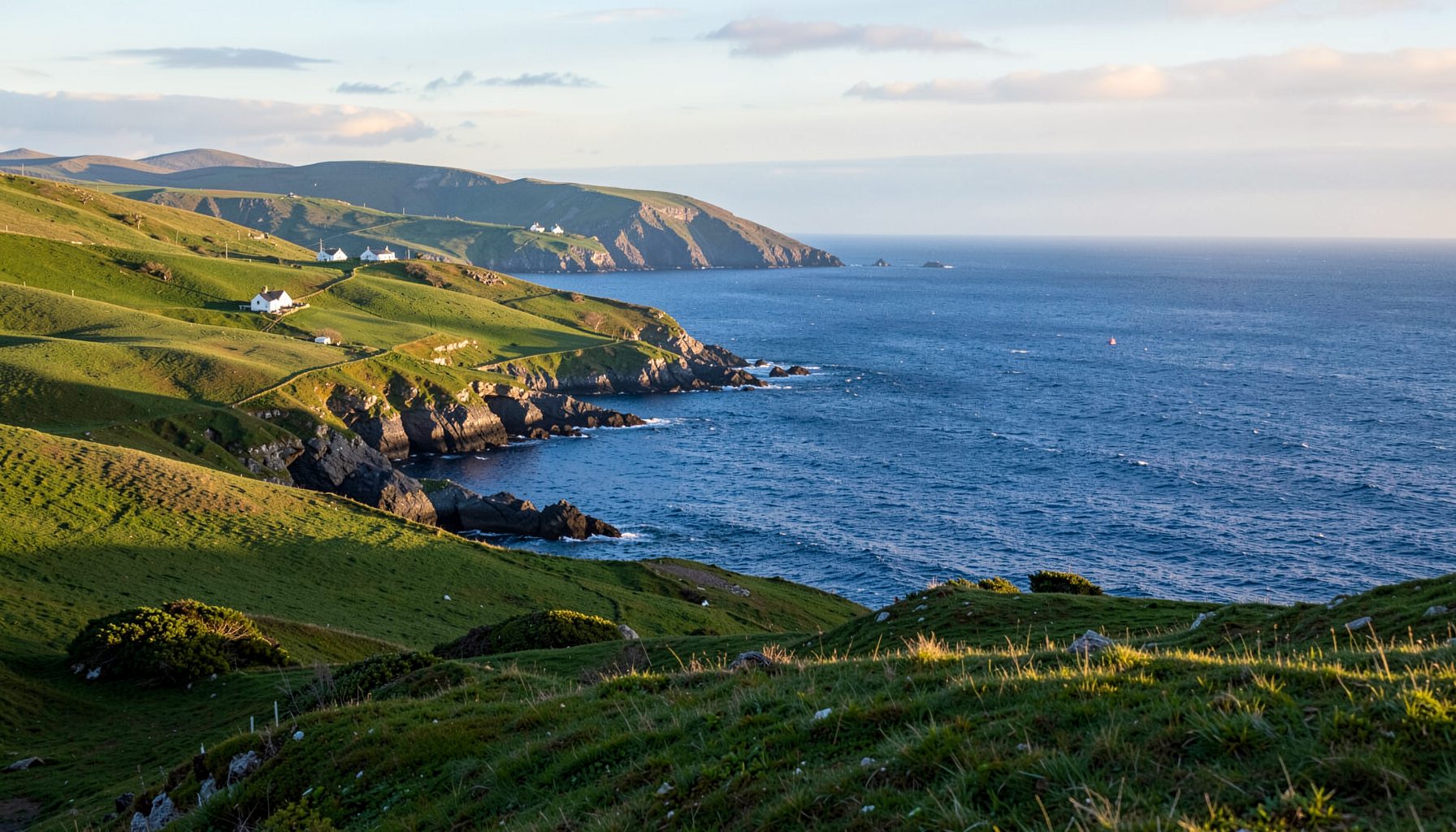
On the western edge of Valentia Island, Cromwell Point faces the Atlantic with a quiet authority. The lighthouse stands where the coast opens towards the Skellig Islands, Dingle Bay and the long ocean routes approaching Ireland’s south-western shore. Its white tower, keeper’s cottages and protective walls form one of the most distinctive maritime heritage sites on the Iveragh Peninsula.
The station was created during an era when ships depended on visible lights, accurate charts and the judgement of local mariners. Before satellite navigation, a lighthouse could mean the difference between a safe passage and a wreck on reefs or rocky headlands. When cloud, rain or sea mist hid the beam, the fog signal supplied a second line of guidance.
For Australian visitors, the story may feel familiar. The function of Cromwell Point can be compared with the warning systems around Sydney Heads, the lighthouses of Bass Strait or the signal stations along the Great Ocean Road. The scenery is different, yet the practical need is the same: coastal communities have always built ways to help vessels identify dangerous water.
The lighthouse is now part of the wider heritage landscape of Valentia Island, a place associated with transatlantic communication, geology, fishing and the Skellig Coast. Exploring its history adds depth to a visit that might otherwise be reduced to a quick photograph from the roadside.
A Lighthouse At Cromwell Point
Valentia Lighthouse was established at Cromwell Point in 1841 under the authority of the Ballast Board, the organisation responsible for lighthouses and other aids to navigation around Ireland. The site was chosen for its commanding view over the waters west of the island and its relationship to the busy approaches around Valentia Harbour.
The lighthouse tower is relatively modest in height, but its position gives it strength. It was built beside the shore rather than on a high mountain, so the light could mark a particular coastal point for ships navigating near the island. The station included accommodation and service buildings, allowing lighthouse keepers and their families to live close to their work.
In the nineteenth century, the lighthouse was part of a growing national network. Improvements in charts, harbour facilities and maritime administration were changing sea travel, but ships still needed dependable visual references. A light at Cromwell Point helped vessels distinguish Valentia’s coast from the many other headlands and islands along the Kerry shore.
How The Light Guided Ships
Early lighthouse illumination relied on oil lamps and optical equipment that concentrated the light into a more useful beam. The lantern room was the technical heart of the station, while the tower elevated it above the surrounding land. Over time, changes to the lamp and lens increased reliability and visibility.
A lighthouse was identified by its character, not simply by the fact that it shone. Mariners learned whether a light was fixed, flashing or divided into sectors of different colours. These details were recorded in sailing directions and nautical almanacs. A ship’s officer could compare what was seen at sea with the chart and estimate the vessel’s position.
The waters near Valentia demanded care. Atlantic weather could change quickly, while reefs, shoals and headlands created hazards for vessels sailing close to land. The light did not make navigation automatic; it worked alongside a compass, depth soundings, charts, local knowledge and careful watchkeeping.
That combination has a clear Australian parallel. A skipper moving through Bass Strait or approaching Port Phillip Bay would likewise read several signs together rather than trust a single beacon. The broader lesson is that maritime safety is built from overlapping information.
The Arrival Of The Fog Signal
A lighthouse beam is useful only when it can be seen. Sea fog, heavy rain and low cloud could hide Cromwell Point from a vessel that was already dangerously close to shore. To address this problem, a fog signal was added at the station in 1891.
The signal was produced by a mechanical warning system housed in a separate building. Its loud blast travelled across the water when visibility was poor, giving ships an audible indication of the lighthouse’s position. Fog signals were designed to be distinctive and repeated according to a published pattern, so mariners could identify one station from another.
For lighthouse keepers, fog was a demanding working condition. They had to monitor equipment, maintain fuel and machinery, record weather observations and ensure that the signal operated when required. The sound could dominate the headland and carry through the surrounding homes, a reminder that the station served vessels far beyond the island.
The old foghorn also reflects an earlier understanding of time at sea. Before radio communication and electronic positioning, a ship might hear the warning before it could see land. Sound became a navigational mark, linking an unseen vessel with a known point on the coast.
Keepers, Families And Island Life
A lighthouse was a workplace, residence and small community. Keepers were responsible for cleaning lenses, trimming lamps, maintaining buildings and watching the weather. Their duties continued through winter storms, Christmas holidays and the ordinary interruptions of family life.
The station’s position at Cromwell Point placed its residents within Valentia Island’s network of farms, fishing activity and local roads. Supplies, news and assistance came through the island community. The work could be isolated, but it was never completely separate from local life.
This human dimension is easy to miss when looking at a lighthouse as an architectural object. The tower represents a national navigation service, while the cottages and outbuildings reveal the daily routine behind that service. A keeper’s job required patience and precision rather than dramatic action alone.
Visitors from Australia may recognise the same pattern at historic lighthouse stations around Tasmania or South Australia. Places such as Cape Otway and Cape Bruny are remembered through their towers, yet their fuller stories include families, maintenance work, weather records and the changing relationship between remote stations and nearby towns.
Changing Technology And The End Of The Horn
Navigation technology gradually transformed the role of the station. Electric lighting, improved optics, radio communication and automated equipment reduced the need for a permanent keeper at every lighthouse. Cromwell Point was adapted to operate with fewer staff as the twentieth century progressed.
The fog signal eventually became obsolete. Modern ships could use radio systems, radar, electronic charts and satellite navigation, while advances in forecasting and communication reduced reliance on audible coastal warnings. The removal or retirement of the fog signal marked the end of a sound that had once been central to the identity of the headland.
This change was part of a wider pattern around the coast of Ireland. Fog horns that had once sounded from prominent stations became silent as maritime technology moved from visual and acoustic signs towards electronic positioning. The silence does not mean the site has lost its purpose; it allows the historic buildings and landscape to be understood in a new way.
For Australians used to the Bureau of Meteorology’s marine forecasts and digital navigation apps, the transformation is easy to appreciate. A coastal passage can now be planned with information updated continuously on a screen. The lighthouse belongs to an earlier system, yet it explains why modern navigation developed so carefully.
Visiting Cromwell Point Today
Cromwell Point is valued for its setting as much as for its engineering. The approach leads through a coastal landscape of stone walls, exposed grassland and views across Valentia Harbour. The atmosphere changes with the weather: bright sunlight reveals distant islands, while Atlantic cloud can restore some sense of the conditions faced by keepers and mariners.
A visit is best treated as a heritage experience rather than a quick stop. Look for the relationship between the tower, lantern, cottages, signal building and shoreline. The layout shows how a working station needed living space, storage, access and protection from wind as well as a functioning light.
The surrounding island offers further context through its geological features, local history and links with transatlantic communication. Regional resources such as the Skellig Coast guide can help place Valentia Lighthouse within the communities, attractions and heritage sites stretching from Kells to Castlecove.
Practical details can change with the season, so visitors should check current opening arrangements before travelling. Roads on Valentia Island are often narrow, and weather can affect walking conditions. Allow time for viewpoints, local villages and the wider coastline rather than planning the lighthouse as an isolated photograph.
Reading The Lighthouse As Coastal Heritage
The story of Valentia Lighthouse is also a story about how communities manage distance. The station connected an island landscape with ships passing offshore, national authorities in Dublin and a maritime economy reaching across the Atlantic. Its light and fog signal made a remote point legible to people who might never set foot on Valentia.
Its heritage value comes from several layers. There is the engineering of the tower and lantern, the social history of the keepers, the geography of Cromwell Point and the memory of older navigation practices. Together, these layers explain why the place matters beyond its appearance.
The site can also support thoughtful comparisons with Australia’s maritime past. Just as visitors to Sydney’s South Head or the lighthouses near Fremantle can read shipping history in a coastal structure, visitors to Cromwell Point can see how Ireland’s western edge was made safer through persistent local work.
| Feature | Valentia Island Lighthouse | Comparable Australian Context |
|---|---|---|
| Setting | Cromwell Point on Valentia Island, County Kerry | Headlands, islands and straits such as Bass Strait or Sydney Heads |
| Main role | Coastal light for vessels near the Iveragh Peninsula | Identifying hazards and harbour approaches |
| Fog protection | A separate audible fog signal added in 1891 | Similar sound-based warnings used at exposed Australian stations |
| Human story | Keepers, families, maintenance and weather watching | Lighthouse communities at Cape Otway, Cape Bruny and other remote stations |
| Modern relevance | Heritage, landscape and maritime education | Historic navigation sites preserved for public learning |
Cromwell Point remains a valuable part of the Skellig Coast story because it brings together technology and place. The tower was built for ships, but its meaning now extends to residents, researchers, walkers and visitors interested in how people lived with the Atlantic.
Add Valentia Lighthouse to a wider exploration of the island and the Iveragh Peninsula. Spend time with the buildings, listen to local stories, observe the changing weather and connect the station’s history with the other coastal communities of Kerry. Supporting regional heritage visits helps keep these maritime places visible, understood and cared for.