The Story of the Sneem Hotel and Its Historical Guests
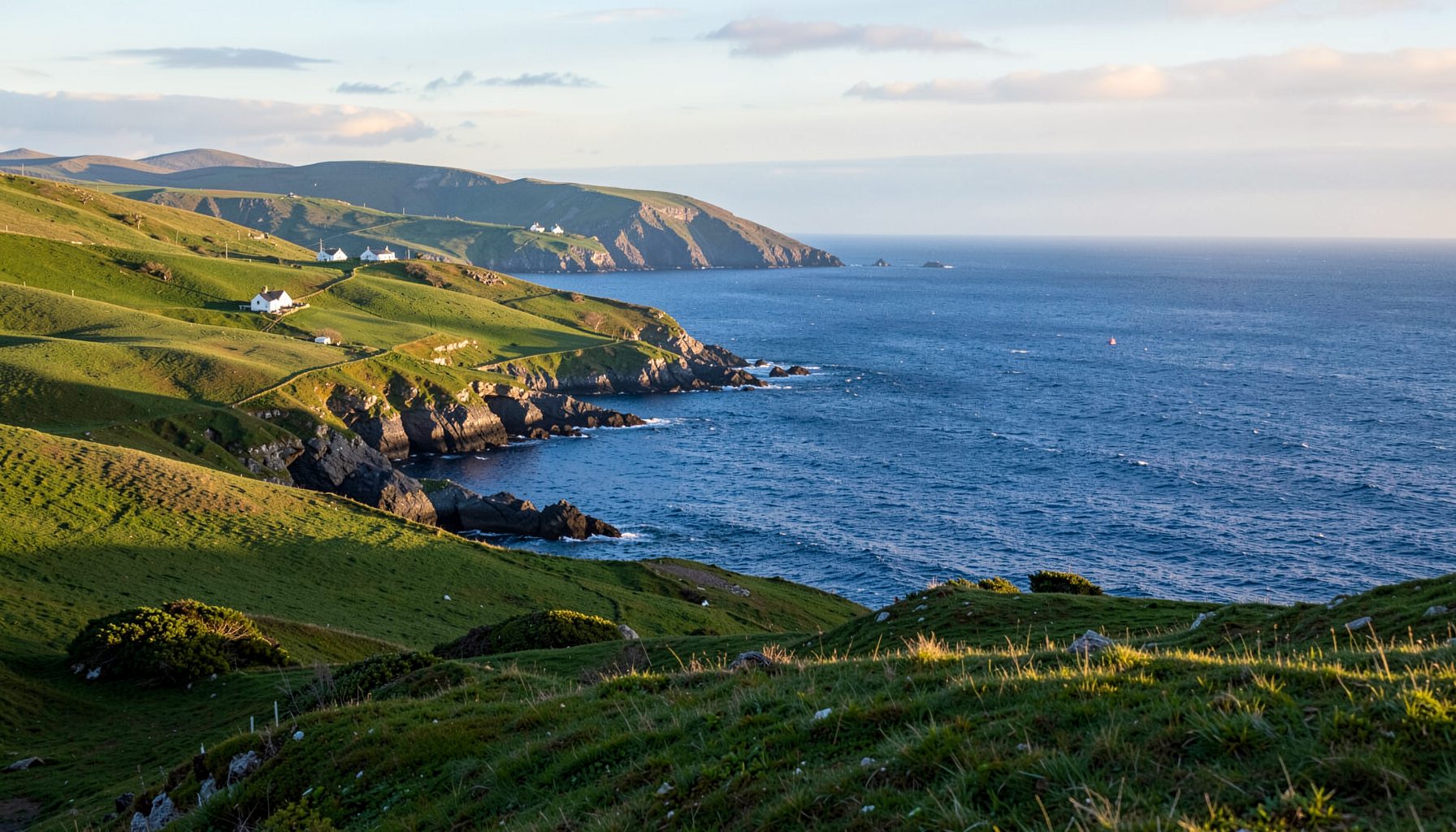
On the southern edge of the Iveragh Peninsula, Sneem occupies a remarkable position between the mountains and the sheltered waters of Kenmare Bay. The village is known for its colourful streets, stone bridges, sculpture, gardens and strong connection with the wider Ring of Kerry. Within that setting, Sneem Hotel has become part of the community’s modern story.
The hotel is more than a place to sleep during a coastal journey. It provides a useful base for exploring Sneem, Derrynane, Castlecove, Waterville and the Skellig Coast, while its own history reflects the changing character of local tourism. Its visitors have included ordinary holidaymakers, returning families, walkers, cultural travellers and people drawn to the region by its political and artistic associations.
Accounts of famous guests need to be handled carefully. Several internationally known figures visited Sneem or nearby hotels, but that does not automatically mean they stayed at Sneem Hotel. Separating documented hotel history from the broader heritage of the village makes the story more accurate and more interesting.
A Hotel Rooted In The Village
Sneem Hotel belongs to a newer phase of hospitality on the Iveragh Peninsula. Older country houses and grand coastal hotels helped establish the area as a destination during the nineteenth and early twentieth centuries. A contemporary hotel in Sneem serves a different purpose: it connects the village with touring routes, local businesses, outdoor activities and year-round community life.
Its position near the centre of Sneem gives the hotel a close relationship with the village rather than leaving it isolated from local activity. Guests can walk to shops, cafés, galleries, churches, bridges and public spaces. The hotel also offers views towards the coast and mountains, reminding visitors that the landscape is central to the identity of the place.
That relationship matters because tourism in rural Kerry has always depended on more than scenery. It relies on local knowledge, seasonal employment, transport links, food producers, guides, craftspeople and community events. A hotel can become one of the points where those strands meet.
From Coastal Stop To Modern Base
The modern Sneem Hotel emerged during a period when the Ring of Kerry was becoming increasingly popular with international visitors, touring groups and independent travellers. Roads, private cars and organised excursions made it easier to reach villages that had once been relatively remote. Accommodation therefore had to respond to guests who wanted comfort while remaining close to the landscape.
The hotel’s story is linked to this shift. It offers the practical features expected by contemporary visitors, while its setting preserves the feeling of a small coastal settlement. The contrast is part of its appeal: a traveller can spend the day walking along the Kerry Way, visiting heritage sites or exploring the Skellig region, then return to a familiar village base.
Over time, hotels such as Sneem Hotel have also become informal archives of local change. Staff encounter repeat visitors who return over decades, families tracing old holiday memories and guests who arrive because of an interest in Irish history. Those personal connections rarely appear in official heritage records, yet they form an important part of the hotel’s social history.
What Can Be Said About Its Guests
A hotel’s guestbook is usually private, and Sneem Hotel has not published a complete historical register of notable visitors. This means claims about celebrity guests should be treated differently from documented public events. A person may have visited Sneem, eaten locally or stayed in the surrounding district without having stayed at the hotel itself.
The most reliable account is therefore a layered one. First comes the hotel’s known role as a base for visitors to the Ring of Kerry. Next comes the evidence of returning guests, group tours, business visitors and families. Finally, there are the famous names associated with Sneem and the neighbouring coastline, which provide context even where a direct hotel connection cannot be confirmed.
That distinction does not make the subject less compelling. It shows how local history is built. A village can attract presidents, artists and international travellers while continuing to be shaped by school groups, sporting clubs, local celebrations and the people who return every year.
| Person or association | Connection with the region | What can responsibly be said |
|---|---|---|
| Charles de Gaulle | Visited the Sneem area after leaving office in 1969 | His association with Sneem is commemorated locally, but this should not be presented as proof that he stayed at Sneem Hotel |
| Princess Grace of Monaco | Linked with nearby south Kerry hotel tourism and the wider coastal area | Her regional connection reflects the area’s historic appeal, not necessarily a stay at Sneem Hotel |
| Ring of Kerry touring guests | Regular visitors from Ireland and overseas | These travellers form the hotel’s most important long-term guest story |
| Kerry Way walkers and outdoor groups | Use Sneem as a stopping point on the Iveragh Peninsula | Their visits connect the hotel with walking, landscape interpretation and active tourism |
| Local families and community organisations | Part of the social life of Sneem | Their presence shows that the hotel functions as a local venue as well as visitor accommodation |
Famous Visitors And The Wider Sneem Story
Charles de Gaulle is the name most strongly associated with Sneem’s international history. After resigning as President of France in 1969, he travelled to Ireland and spent time in the region. His visit is remembered through local references and the sculpture in Sneem dedicated to him. The connection gives the village an unusual place in twentieth-century European history.
The story is often simplified in retellings, with nearby hotels and the village itself sometimes treated as a single location. In reality, the Iveragh Peninsula contains several historic properties, estates and villages, each with its own guest history. A careful account should identify whether a notable visitor stayed in Sneem, visited the area or used another hotel nearby.
Princess Grace of Monaco is another figure connected with the heritage of south Kerry tourism. Her name appears in stories about the region’s grand hotels and coastal visits. Such associations demonstrate the reputation that the county developed among prominent international travellers, although they should not be transferred to Sneem Hotel without a specific source.
For today’s visitors, these stories add depth to a landscape already rich in history. The area is close to Derrynane, associated with Daniel O’Connell; Caherdaniel’s coastal heritage; Staigue Fort; and the routes leading towards the Skellig Islands. The hotel sits within that network of places rather than standing apart from it.
Hospitality Between Heritage And Landscape
Sneem Hotel’s significance comes partly from its ability to connect different kinds of travel. Some guests arrive for scenery and walking, while others are interested in architecture, archaeology, genealogy or local culture. The hotel provides a comfortable starting point for each of these interests.
The surrounding landscape encourages a slower form of tourism. Kenmare Bay, the Beara and Iveragh mountains, nearby beaches and the Kerry Way all invite visitors to spend time outdoors. Weather, tides and seasonal light also shape the experience. A hotel in this setting must respond to practical needs such as drying walking clothes, arranging transport and helping guests understand local conditions.
Cultural tourism is equally important. Sneem’s public art, village history and community initiatives show how rural places can present their identity without becoming museum pieces. Visitors who stay locally are more likely to encounter everyday life: a conversation in a shop, a traditional music session, a community noticeboard or an event organised by residents.
In that sense, the hotel’s guest history is not only about famous names. It is also about the many people who have used Sneem as a meeting point, holiday base or gateway to the peninsula.
Reading The Guest Story Carefully
Historical hospitality stories often grow through repetition. A detail mentioned in a brochure may later appear in a newspaper, then become part of a tour guide’s narrative. Over time, the original distinction between a confirmed hotel guest and a visitor to the wider area can disappear.
The best approach is to look for contemporary reports, hotel archives, local newspapers, memoirs, photographs and statements from recognised heritage organisations. Dates and locations should be checked separately. A story about a famous person in Kerry may involve Waterville, Kenmare, Sneem, Derrynane or another coastal property.
Local research can also benefit from community knowledge. Residents, historical societies and cultural groups may hold photographs or memories that are not available online. Anyone researching the hotel’s past or sharing a family recollection can contact the Skellig Coast team to help connect the story with the wider heritage of the region.
Accuracy is especially valuable in a place where tourism and history are closely linked. A carefully worded account preserves the genuine mystery and charm of the hotel without turning an unverified rumour into fact.
Ways To Experience The Hotel’s Heritage
Visitors interested in Sneem Hotel and its historical setting can approach the subject through several connected activities:
- Walk through Sneem village and look for the public artworks, bridges, gardens and memorials associated with local identity.
- Visit nearby heritage sites such as Staigue Fort, Derrynane House and the Daniel O’Connell Memorial Church.
- Follow part of the Kerry Way or choose a shorter coastal walk suited to the weather and daylight.
- Ask locally about the history of the village, the de Gaulle memorial and the older hotels of south Kerry.
- Treat famous-guest stories as starting points for research, checking dates and locations before repeating them.
These activities reveal why Sneem continues to attract people who are interested in more than a scenic stop. The village offers a living relationship between landscape, memory and hospitality.
A stay at Sneem Hotel can therefore be understood as part of a longer journey through the Iveragh Peninsula. Guests follow routes shaped by ancient settlement, political history, coastal travel and modern outdoor tourism. The hotel provides the contemporary base, while the surrounding community supplies the deeper context.
The most meaningful next step is to visit Sneem with time to look beyond the headline attractions. Explore the village, learn how its famous visitors fit into the wider regional story, and support the local places that keep that history visible. Through careful research and direct experience, the story of Sneem Hotel becomes part of the much larger story of the Skellig Coast.