A Day In The Life Of A Skellig Coast Lobster Fisherman
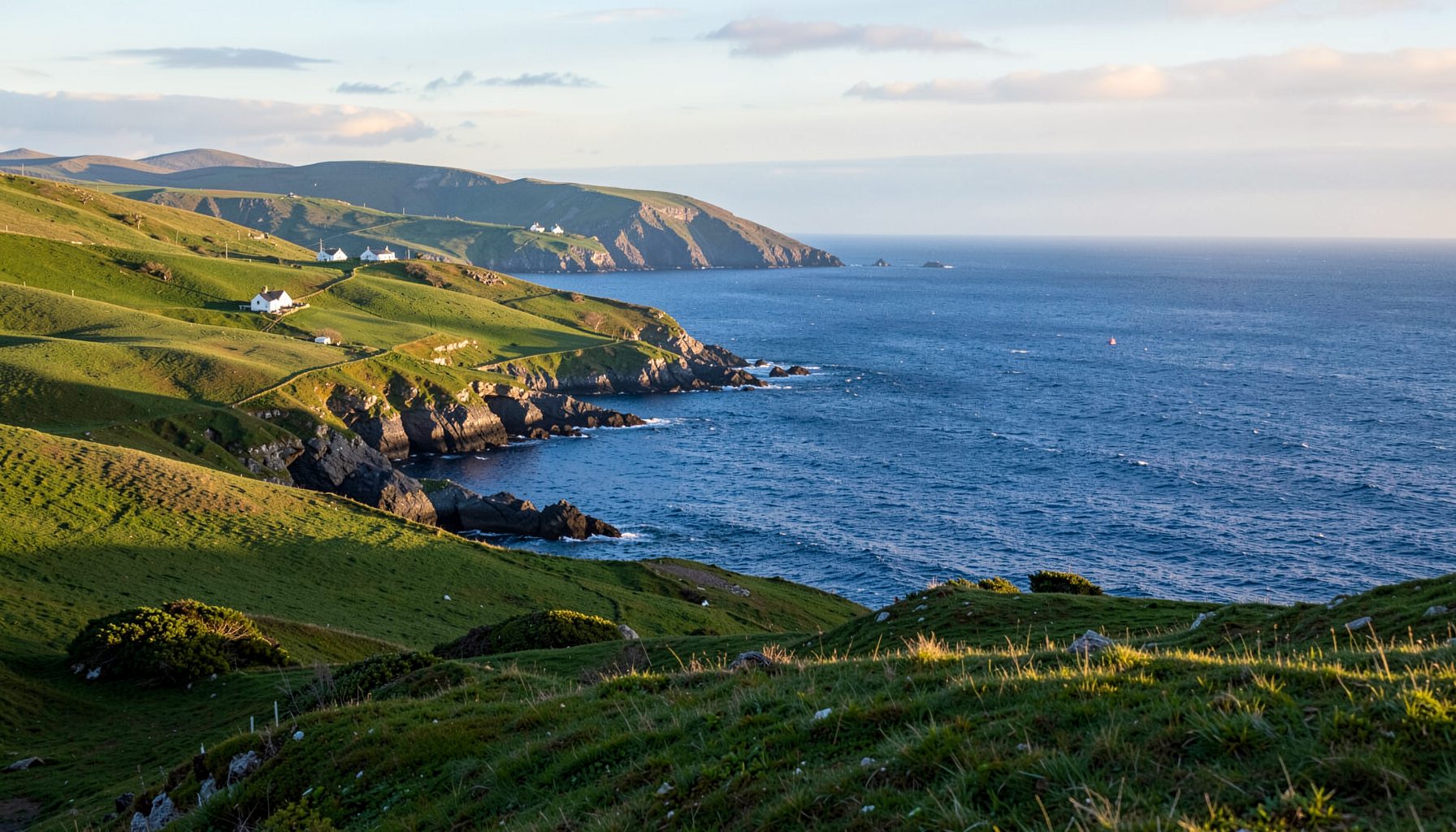
Along the Skellig Coast, lobster fishing has long been shaped by the Atlantic, the rocky shoreline and the practical knowledge passed between generations. From Kells and Caherdaniel to Portmagee, Valentia and Castlecove, small boats leave sheltered coves when tides, weather and sea conditions allow. The work is demanding, seasonal and closely connected to the character of each coastal community.
A traditional lobster fisherman is not simply someone who catches shellfish. The role involves reading wind and swell, maintaining a boat, preparing pots, understanding seabed habitats, handling a catch carefully and working within regulations designed to protect the fishery. Much of the labour happens away from public view, before sunrise or after a boat has returned to harbour.
The methods may be traditional, yet the occupation continues to adapt. Modern safety equipment, improved navigation systems and conservation measures now sit alongside old habits of seamanship. The result is a way of life that combines inherited coastal knowledge with the responsibilities of fishing in a living marine environment.
Leaving Shore Before The Day Begins
A fishing day often starts with preparation rather than departure. Pots must be checked for damage, ropes coiled properly and bait secured. Fuel, life jackets, radios and other safety equipment are inspected before the boat moves from its mooring. A fisherman may also study the forecast, tidal stream and expected swell, knowing that conditions around exposed headlands can change quickly.
The timing of departure depends on the fishing ground and the tide. In some places, the best opportunity comes early in the morning; in others, the tide and weather dictate a later start. The small vessels used close to shore are designed for practical work rather than comfort. Space is limited, and every coil of rope, crate and piece of equipment has to be placed where it can be reached safely.
Leaving a sheltered harbour can be a quiet moment. The shoreline may still be dark, with lights visible from houses and villages. Once beyond the protection of the bay, attention turns to the sea, the boat’s movement and the sequence of pots waiting to be hauled.
Reading The Water And The Coast
The work depends on a detailed understanding of place. Lobsters favour particular types of ground, including rocky areas, crevices and mixed seabed habitat. A fisherman learns where pots are likely to work by combining personal experience with information inherited from older relatives or fellow crew members. Landmarks on shore, depth, tide direction and the shape of the seabed all help identify a productive area.
This knowledge is rarely expressed in technical language alone. A headland, reef or small island can be a reference point, while a certain colour of water or pattern of swell may indicate what is happening below the surface. Familiarity with the coastline is especially important around Iveragh, where exposed Atlantic waters meet narrow inlets, reefs and islands.
Hauling a pot requires strength, balance and concentration. The rope is brought aboard, the pot lifted and the catch examined quickly. Undersized lobsters, berried females and other protected marine life must be returned according to current rules. A successful haul is therefore measured by quality and lawful handling, not simply by the number of animals brought onto the deck.
The Gear Behind A Working Boat
Lobster pots, also called creels in many Irish fishing communities, are the central tool of the fishery. Their design allows a lobster to enter for bait but makes escape difficult. Each pot is attached to a rope and marked so that it can be located and retrieved. The arrangement of the gear must account for tides, currents, seabed conditions and the movement of other boats.
Ropes and buoys need regular care. Chafe, storms and repeated hauling can weaken equipment, while marine growth adds weight and makes handling harder. Pots may need to be repaired, rebaited or replaced during the season. Much of this work takes place on land, sometimes in a yard, shed or harbour area, and it forms an essential part of the fishing routine.
Boats also require constant maintenance. An engine service, a repaired rail or a fresh coat of paint can determine whether a fisherman is able to get safely to sea. Traditional skill is found in these practical tasks as much as in navigation. Knowing how to splice rope, secure a load or judge a boat’s response remains valuable even when electronic equipment is available.
Seasons, Weather And Responsibility
The Atlantic sets the pace of the year. Strong winds, winter darkness and heavy swell can keep boats in harbour, while calmer periods may create a narrow window for working. A fisherman must accept that a planned day can be cancelled at short notice. This uncertainty affects income, supplies and the timing of work on shore.
Lobster fishing is governed by conservation measures intended to maintain healthy stocks and protect breeding animals. Minimum landing sizes, restrictions concerning berried females and rules about equipment or seasons may apply. Regulations can change, so fishermen need to keep informed and handle every catch carefully. The future of the fishery depends on restraint as well as effort.
The sea is also a workplace where safety cannot be treated casually. Weather forecasts, communication devices, personal flotation equipment and a clear plan are essential. Experience helps a fisherman recognise risk, but it does not remove it. A prudent decision to remain ashore can be as important as a successful trip.
The wider coastal community plays a role in keeping local knowledge visible. Reports about heritage projects, harbour activity and community life can be followed through Skellig Coast news, where the region’s changing relationship with the sea is part of a broader local story.
From Landing To Local Livelihood
When the boat returns, the day is far from finished. Lobsters are sorted, measured and stored in suitable conditions before being sold or transferred. Careful handling protects the quality of the catch and reflects the value of a product that may travel from a small landing place to markets and restaurants elsewhere.
In earlier generations, the fishery was often closely tied to household economies. Families combined lobster fishing with other forms of work, including farming, seasonal labour, boatbuilding or other inshore fisheries. Today, the economic arrangement varies, yet the same principle remains: income from the sea can support a wider network of local suppliers, mechanics, fuel providers, processors and families.
A landing may also bring a social rhythm to a village. Conversations on the pier, the arrival of a familiar boat and the repair of gear are ordinary scenes, but they contribute to a strong sense of identity. Fishing communities are shaped by work that is shared, observed and remembered, even by people who never go to sea themselves.
A Living Tradition On The Skellig Coast
| Part of the working day | Skills involved | Why it matters |
|---|---|---|
| Preparing the boat | Safety checks, engine care and stowing equipment | Reduces risk before departure |
| Setting or hauling pots | Rope handling, balance and timing | Allows gear to be worked safely |
| Assessing the catch | Measuring, identifying protected animals and careful handling | Supports conservation and quality |
| Responding to weather | Forecast reading and judgement | Prevents unnecessary exposure at sea |
| Maintaining gear | Repairing pots, ropes and buoys | Keeps the fishery practical and sustainable |
| Returning the catch | Sorting, storing and selling | Connects the boat with the local economy |
The phrase “traditional lobster fisherman” should not suggest that the work is frozen in the past. Tradition is carried through habits, stories and skills, but it survives because people apply it to present conditions. A current fisherman may use satellite navigation and a modern engine while still relying on observations learned from a parent, neighbour or older skipper.
This continuity matters to the cultural heritage of the Iveragh Peninsula. The fishing boat, the harbour and the working shoreline are part of the region’s identity alongside archaeological sites, islands and historic settlements. Visitors may notice the dramatic scenery first, but the daily activity of coastal workers reveals how people have made a life here over many generations.
Respecting The Work And The Coast
Anyone interested in the region’s lobster fishing should approach it as a working activity rather than a performance arranged for visitors. Harbours, piers and landing places can be busy and hazardous. Boats need room to manoeuvre, ropes can create trip hazards and fishermen may be working to a tight tide or delivery schedule.
A respectful interest begins with observation and accurate information. Local histories, community archives, maritime displays and conversations with residents can provide context that a quick view from the shore cannot. It is also important to remember that not every fisherman wishes to be photographed or interrupted while handling gear and catch.
Useful ways to support awareness of this heritage include:
- Learn about local fishing customs and current marine conservation rules.
- Keep clear of working boats, ropes, crates and harbour access points.
- Support coastal museums, heritage projects and community events.
- Choose responsibly sourced seafood and ask about its local provenance.
- Share accurate stories about the people and places of the Skellig Coast.
The future of inshore fishing will depend on healthy seas, viable coastal communities and realistic support for those who work on the water. Tourism can contribute when it values the everyday life of the coast rather than presenting it as scenery alone. A working harbour is a place of employment, family history and local knowledge.
The lobster fisherman’s day ends when the boat is secured, the catch has been dealt with and equipment is ready for the next tide. Yet the story continues in the harbour, the village and the generations that remember how the sea has shaped the coast. Explore the communities, heritage and coastal life of the Skellig Coast to better understand the people behind its remarkable landscape.