The Life Of A Traditional Knitter On The Skellig Coast
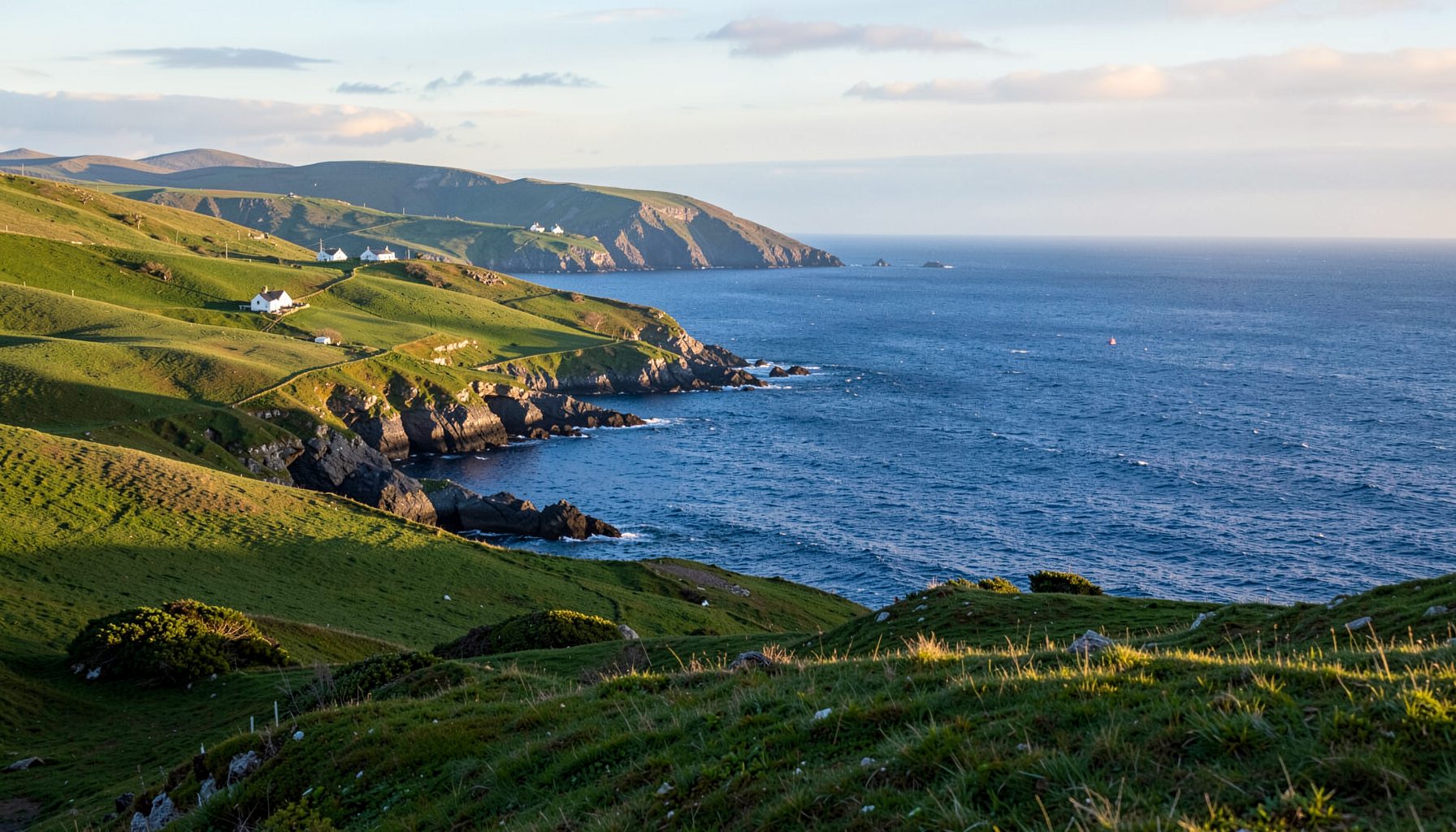
On Ireland’s Iveragh Peninsula, knitting belongs to the rhythm of practical coastal life. A sweater, cap, scarf, or pair of socks has always had a purpose beyond appearance: it offers warmth against Atlantic wind, creates a useful gift, and turns a quiet evening into productive time. Along the Skellig Coast, from Kells and Cahersiveen towards Waterville, Ballinskelligs, Portmagee, and Castlecove, this craft remains part of a wider culture of making, mending, and passing knowledge between generations.
The life of a traditional knitter is shaped by place. The weather encourages warm wool and close-fitting garments, while small communities create opportunities for shared learning. Knitting may take place in a kitchen, a community hall, a craft group, or beside a window overlooking fields and sea. The work is individual, yet its patterns, techniques, and stories often come from a collective heritage.
Today’s knitters combine inherited methods with contemporary colours, natural fibres, and modern designs. Their work connects regional history with living creativity, showing that textile heritage is not fixed in the past. It continues through local workshops, cultural initiatives, school projects, craft markets, and everyday use.
Wool, Weather, And Coastal Practicality
The Skellig region has a cool, damp, and often windy climate. Traditional woollen clothing developed as a sensible response to these conditions. Dense stitches help retain warmth, while wool can remain insulating even when exposed to moisture. A knitted jumper or cardigan is useful for farm work, walking, fishing, travelling, and sitting outdoors during changeable weather.
A traditional knitter pays attention to the behaviour of yarn. Wool varies in softness, strength, thickness, and ability to hold a shape. A hard-wearing yarn may suit socks or work garments, while a softer fibre can be chosen for a shawl or baby clothes. The knitter also considers how a finished item will be washed, stretched, repaired, and worn over time.
The landscape influences colour choices as well. Natural shades of cream, grey, brown, and black recall sheep, stone walls, peat, and winter skies. Contemporary knitters may add sea blue, heather purple, gorse yellow, or vivid red, drawing from the peninsula’s cliffs, bogland, beaches, and village life.
A Day Shaped By Repetition
Knitting is often described as a relaxing pastime, but traditional work requires concentration and discipline. A knitter may begin by checking the pattern, winding yarn, preparing needles, and measuring tension. Small mistakes can affect the size or balance of a garment, so experienced makers learn to read their stitches as they work.
Some tasks are suited to quiet mornings, while others fit around household responsibilities, employment, or community activities. Repetitive rows can be worked while listening to conversation or local radio, though complex cables, colour changes, and shaping demand closer attention. The rhythm of needles clicking together becomes part of domestic soundscape.
A garment develops gradually. Sleeves, cuffs, collars, and body panels may be worked separately before being joined. The pace is slower than machine production, which gives the knitter time to notice texture and structure. It also creates a personal relationship with the finished item: every section carries the evidence of human hands.
Patterns Carried Through Families
Knitting knowledge is often transferred informally. A child may first learn to cast on from a parent, grandparent, neighbour, or teacher. Early lessons usually involve simple rows, scarves, or small squares. From there, the learner can progress to shaping, colourwork, lace, cables, and more demanding garments.
Written patterns are useful, but they do not contain every part of the craft. An experienced knitter knows when yarn is behaving differently, when a garment needs extra length, or when a pattern requires adjustment for a particular body. These decisions are learned through observation and repeated practice.
Regional identity can be present without every garment having a single, officially defined pattern. The better-known Aran sweater tradition belongs broadly to Ireland’s Atlantic island and coastal knitting culture, but individual communities have their own preferences and histories. A knitter on the Skellig Coast may use familiar cable motifs, a family variation, or a contemporary design influenced by local surroundings.
Materials And Methods In Use
Natural wool remains important, although many knitters now work with cotton, linen, alpaca, recycled yarn, and blended fibres. Local availability, cost, durability, and intended use all affect the choice. Some makers prefer undyed yarn, while others enjoy experimenting with plant-based dyes or commercially coloured wool.
Traditional techniques may include ribbing for stretch, moss stitch for texture, cables for raised patterns, and colourwork for visual contrast. Finishing is equally important. Seams must be secure, loose ends woven in, and the garment gently washed and blocked so that its shape becomes clear.
| Element | Purpose in a traditional garment | Contemporary variation |
|---|---|---|
| Wool yarn | Warmth, resilience, and insulation | Recycled, blended, or locally sourced fibres |
| Ribbed cuffs | A close fit that limits draughts | Longer cuffs, thumb openings, or decorative edging |
| Cable patterns | Texture, visual identity, and structure | Simplified motifs or original coastal designs |
| Natural colours | Links to landscape and undyed fleece | Sea, heather, gorse, and sunset-inspired shades |
| Hand finishing | Strengthens seams and improves shape | Labels, creative details, and personalised sizing |
The finished piece may be carefully stored between seasons, repaired when necessary, and handed down to another wearer. This long life gives handmade clothing a value that cannot be measured by the number of hours spent producing it.
The Social Life Of A Craft
Knitting creates connections as well as garments. A local craft group can provide a regular meeting place for people of different ages and backgrounds. Members exchange advice, compare patterns, help with difficult sections, and bring unfinished projects into conversation. The gathering may be as important as the knitting itself.
Community halls, libraries, learning hubs, and cultural organisations can support this exchange through classes and demonstration days. Beginners learn practical skills, while experienced knitters gain a reason to document techniques that might otherwise remain private. Such activities strengthen local knowledge without presenting tradition as something frozen or untouchable.
Handmade textiles also appear at fundraising events, fairs, exhibitions, and community celebrations. A knitted item can represent care for a family member, support for a local cause, or pride in a place. In a region where heritage tourism is significant, craft offers visitors a more personal way to understand the communities behind the scenery.
Heritage In A Changing Region
The Skellig Coast is known for dramatic landscapes and cultural landmarks, including Skellig Michael, the UNESCO World Heritage Site rising from the Atlantic. Its historic monastic remains and its appearance in the Star Wars films attract international attention, yet the region’s living heritage is found in ordinary activities as much as in famous sites.
Traditional knitting belongs to this everyday heritage. It reflects the resourcefulness of coastal households, the value placed on warm clothing, and the importance of teaching practical skills. It also demonstrates how cultural traditions adapt. A modern knitter may sell work online, use digital patterns, attend a design course, or combine an old stitch with a new shape.
This balance matters. Heritage is strongest when local people continue to use and reinterpret it for themselves. Visitors should therefore look for genuine opportunities to learn about craft rather than expecting every maker to reproduce a simplified image of rural Ireland. Respect for time, skill, authorship, and fair payment is part of responsible engagement.
Ways To Support Local Knitting Culture
A visitor, resident, or community organisation can help keep textile skills visible and viable through small, practical actions:
- Attend a local knitting, weaving, or textile workshop when one is available through a community group or learning hub.
- Buy directly from regional makers and ask about the materials, care instructions, and story behind the piece.
- Choose well-made woollen clothing that can be repaired and worn for many years.
- Share information about craft exhibitions, heritage events, and intergenerational skills programmes.
- Record family patterns and techniques with permission, giving proper credit to the people who developed them.
These actions support the economic and cultural value of handmade work. They also encourage younger people to see knitting as a creative skill rather than an outdated domestic task. A craft survives when it remains useful, respected, and open to new interpretations.
A Living Craft By The Atlantic
The traditional knitter’s day is made from small gestures: selecting yarn, counting stitches, correcting a mistake, shaping a sleeve, and returning to the work after a pause. None of these actions is dramatic, yet together they create garments that carry warmth, memory, and place.
On the Skellig Coast, knitting offers a close view of regional life. It connects the weather outside with the comfort of the home, family teaching with community learning, and historic practice with contemporary design. The finished item may travel far from Iveragh, but its colours, texture, and workmanship can still carry the character of the Atlantic edge.
Explore local cultural programmes, community events, learning hubs, and craft initiatives across the Skellig Coast. By taking part, sharing the work of local makers, and valuing the knowledge behind each stitch, you help ensure that this living tradition continues through the next generation.