The life of a local weaver creating traditional Irish tweed
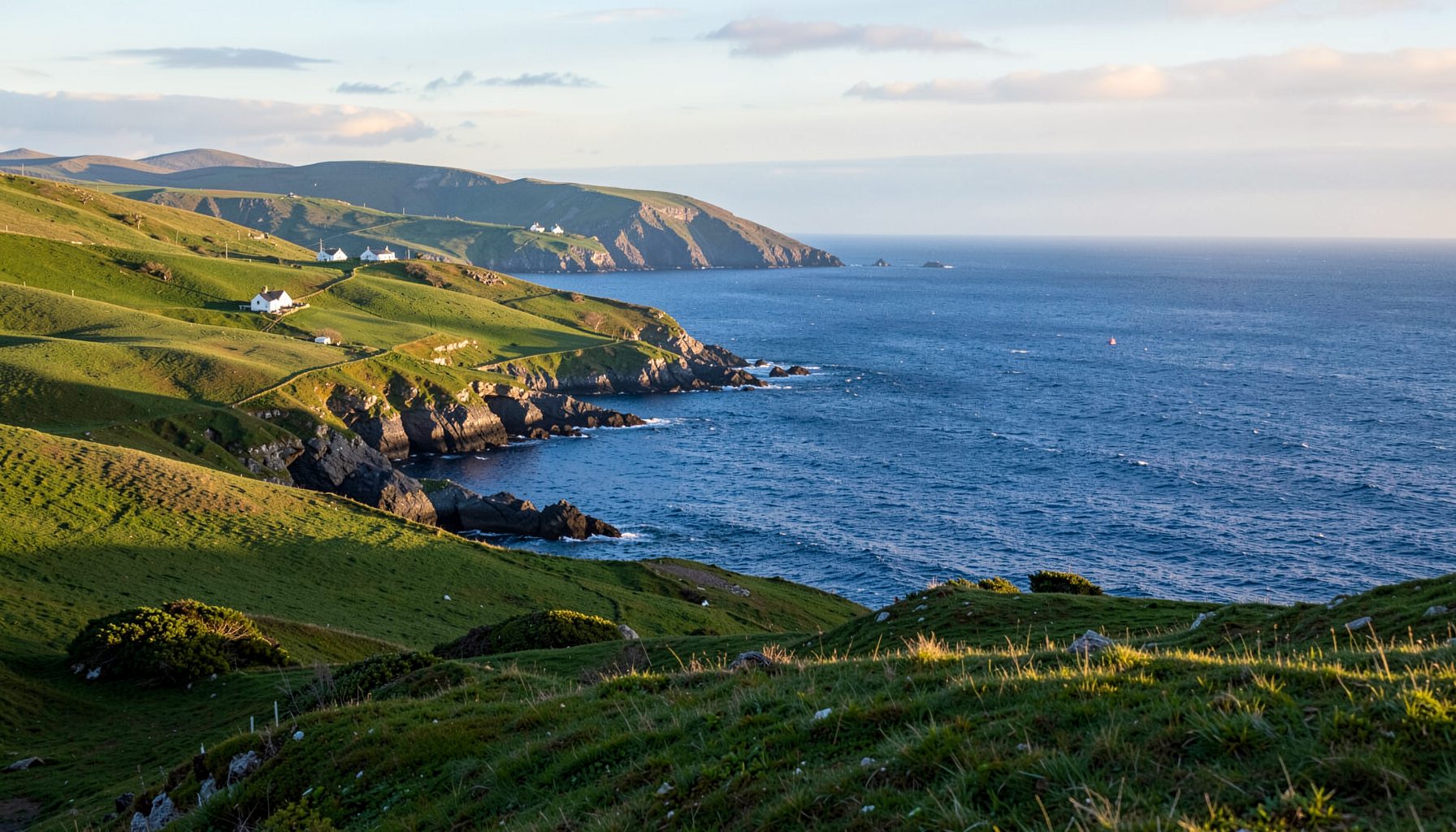
Along the Skellig Coast, weaving is a patient craft shaped by weather, memory and the practical needs of island and coastal life. From Kells to Castlecove, the landscape moves between green pasture, stone walls, mountain roads and the Atlantic. Those surroundings influence the colours, textures and stories that a local weaver brings to a length of Irish tweed.
The work is far removed from the speed of mass fashion. A handloom demands concentration, regular maintenance and an acceptance that natural fibres have their own character. For visitors and readers in Australia, where merino wool and large-scale shearing are familiar parts of the national story, Irish tweed offers a more intimate view of wool: slower, heavier and closely connected to one place.
A loom rooted in the community
A local weaver’s studio may be modest: a room beside a farmhouse, an outbuilding near a village, or a space linked to a community learning hub. The loom occupies much of it. Bobbins, shuttles, cones of yarn and pattern notes gather around the working area, while daylight is carefully used to judge subtle changes in colour.
The life of the craftsperson follows the rhythm of the coast. Mornings may begin with domestic work, farm responsibilities or correspondence about an upcoming exhibition. Several hours can then pass at the loom before the weaver steps outside to stretch, check the weather or collect supplies. This is skilled employment, yet it remains woven into ordinary rural life.
A nearby event, heritage programme or open studio can be important to the craft’s survival. It gives residents a chance to see the process and gives younger people a reason to regard traditional making as a living skill rather than something preserved behind glass.
Choosing wool with a sense of place
Traditional Irish tweed begins with a decision about fibre. Wool may be selected for softness, strength, colour variation or the way it will respond to a particular weave structure. Some yarns are smooth and even, while others retain a slightly irregular surface that gives the finished cloth warmth and visual depth.
An Australian audience may naturally compare this wool with superfine merino from Victoria, New South Wales or South Australia. Merino is often valued for softness and lightweight performance, particularly in clothing designed for changing conditions. Irish tweed usually makes a different promise. It can feel more substantial, with a dry handle and a visible character that suits caps, jackets, waistcoats, skirts and sturdy household textiles.
Colour selection is rarely random. Heathered green might recall pasture after rain, while grey can suggest wet stone or a distant headland. Rust, gold and brown may echo bracken, gorse and autumn grasses. Even a blue thread can carry the Atlantic into the cloth without becoming a literal picture of the sea.
The quiet discipline of the handloom
Before weaving starts, the warp must be measured and prepared. These long, parallel threads form the foundation of the fabric. They are wound carefully, arranged in order and attached to the loom with enough tension to create a stable surface. A small mistake at this stage can appear much later, so preparation requires as much patience as the weaving itself.
The weaver then passes the shuttle through the shed, changes the position of the heddles and beats the new weft thread into place. These actions become rhythmic, but they never become entirely automatic. The craftsperson watches the edges, checks the tension and listens for changes in the loom’s movement.
A handwoven cloth can reveal the person who made it. The selvedges may carry tiny variations, and the density of the fabric can shift subtly across a long piece. Such marks are not necessarily faults. They show that the material passed through human hands rather than an anonymous industrial line.
Patterns that carry local memory
Irish tweed is often recognised by its flecks, checks, stripes and subdued combinations of colour. A pattern may be inspired by a local landscape, though the connection is usually suggestive rather than decorative. The weaver might translate a stone wall into a broken check or use layered greens to reflect fields divided by hedgerows.
The Skellig Coast has a strong visual vocabulary. The outline of Skellig Michael, the dark rock of the islands, coastal roads and monastic remains can all influence a maker’s imagination. The pattern does not need to reproduce these places directly. A carefully balanced sequence of threads can evoke them through mood and texture.
This relationship between cloth and place is central to regional heritage. The same idea appears in music, storytelling, boatbuilding and traditional food: local knowledge is carried forward by adapting it for present use. A contemporary tweed jacket can therefore be both practical clothing and a quiet record of where it was made.
Work shaped by Atlantic weather
The climate of the Iveragh Peninsula affects the weaver’s working day. Damp air can influence yarn, while changing light makes colour matching difficult. A clear morning may become a wet afternoon, and the sound of wind against the building can compete with the steady movement of the loom.
For that reason, many tasks are planned around conditions. Washing, drying and finishing cloth require care, particularly when natural fibres must be handled without excessive heat or agitation. The weaver may also keep unfinished work protected from moisture and dust while allowing enough air to prevent it becoming stale.
The finished cloth suits the same environment. Irish tweed has long been appreciated for warmth, resilience and its ability to make a useful outer layer. It belongs comfortably with a wool cap on a blustery walk, a jacket for a village gathering or a blanket used near a fire after a day along the coast.
Finding a place in a modern market
A local weaver works within a small and specialised economy. Materials are costly, production is slow and each item requires time that cannot be measured only by its final size. A handwoven scarf may take hours to prepare and make, even before finishing, photography, packaging and communication with customers are considered.
The market is broader than the immediate community. Visitors may encounter the work at a local craft fair, gallery, heritage centre or seasonal event, while customers elsewhere may discover it through a regional website or an online shop. This creates opportunities, but it also means that the maker must explain the difference between handwoven tweed, mill-produced cloth and synthetic imitations.
Australian buyers are familiar with weekend craft markets, from Salamanca Market in Hobart to design stalls in Melbourne and Sydney. They may also understand the value of wool through Australia’s merino industry. Yet shipping a substantial Irish wool item across the Irish Sea and then to Australia involves practical considerations such as postage, exchange rates and import arrangements. Clear information about fibre content, dimensions and care helps customers make a considered purchase.
A weaver may hear an Australian customer describe a cool morning as “a bit fresh” or plan a jacket for a Melbourne winter, a Tasmanian walk or a high-country trip. The intended use can guide the choice of weight and construction. Irish tweed is not a replacement for every Australian climate, but its durability and natural insulation make it appealing for cooler regions and carefully chosen seasonal clothing.
Passing on knowledge through shared work
Weaving survives when people can learn it. Demonstrations, school visits and community workshops allow participants to understand how much preparation sits behind a small piece of cloth. Even a short session at a loom can reveal the coordination needed to control threads, shuttle and beat.
For experienced makers, teaching also provides a chance to explain the values behind traditional craft. Repair matters. Materials should be respected. A garment should be used for years rather than treated as a temporary fashion item. These principles connect Irish textile heritage with wider conversations about sustainable production.
Learning hubs and cultural initiatives along the Skellig Coast can help make that knowledge accessible. They create meeting points between older residents, emerging artists, visitors and people returning to the region. The result is more than a preserved technique: it is a continuing exchange about identity, work and belonging.
A living craft with a future
The life of a local weaver is built from repetition, observation and adaptation. The loom may use traditional principles, but the finished work can respond to present-day tastes, new colour palettes and customers living thousands of kilometres away. That balance allows Irish tweed to remain recognisable without becoming fixed in the past.
The craft also offers a different way to understand the Skellig Coast. Beyond famous destinations such as Skellig Michael, the region is shaped by ordinary acts of making: a thread selected, a pattern drafted, a cloth inspected by hand. These details give depth to the villages and landscapes that visitors encounter.
Explore the Skellig Coast through its communities, learning hubs, cultural programmes and heritage stories. When local events, weaving demonstrations or craft exhibitions are available, taking the time to attend supports the people who keep these skills active and helps traditional Irish tweed remain part of everyday life.