A Day in the Life of a Skellig Ring Tour Guide
A local guide on the Skellig Ring does far more than point out dramatic cliffs and recommend a good photograph. The work combines storytelling, weather awareness, road knowledge, visitor care and a strong connection with the communities of south-west Kerry. Each day can feel different, even when the route follows the same bends between Portmagee, Ballinskelligs and Waterville.
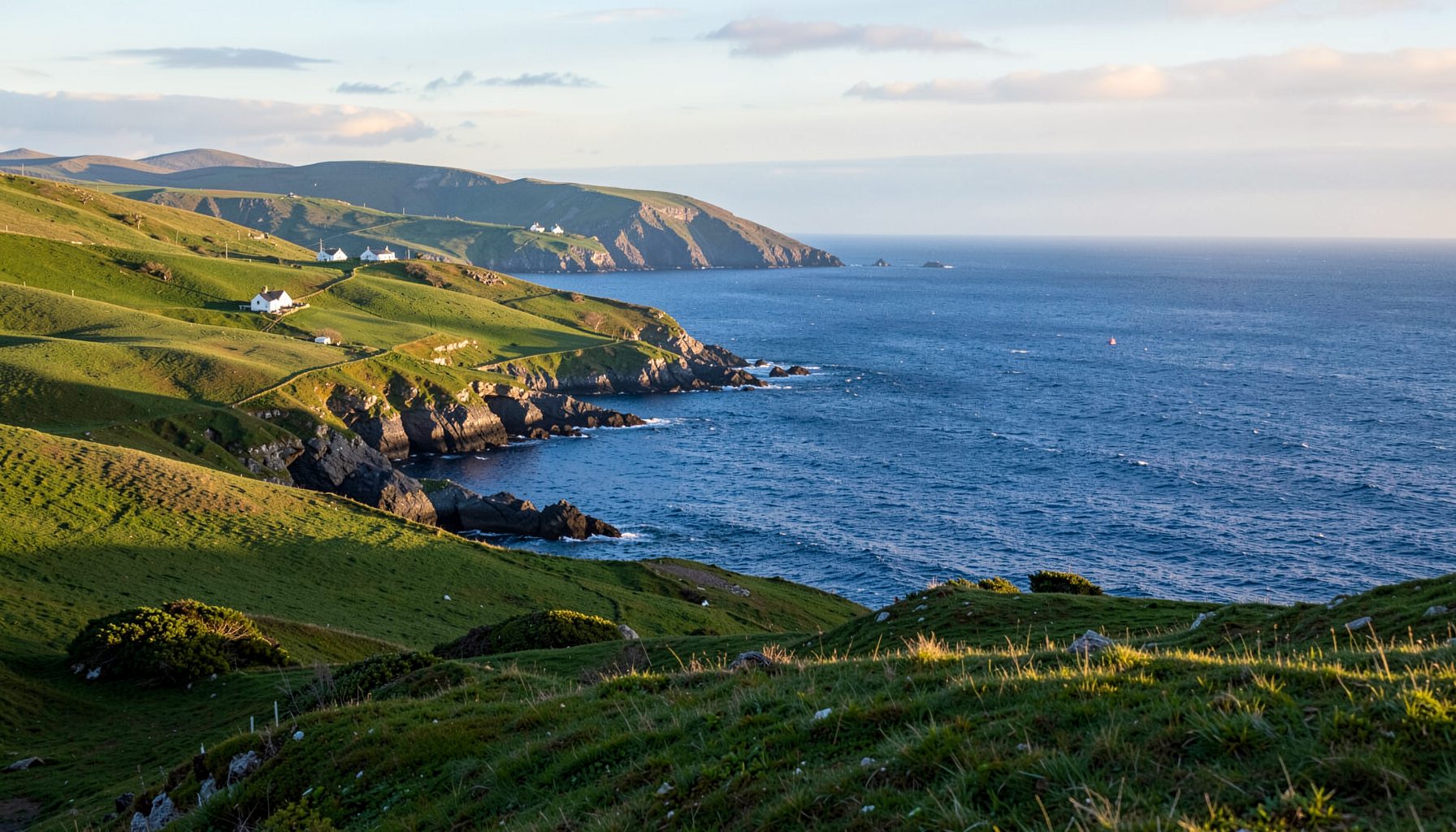
The Skellig Ring forms part of the wider Iveragh Peninsula, where the landscape changes quickly from sheltered villages to exposed Atlantic coast. A guide may begin with a conversation about fishing and island life, then move into geology, monastic history, local folklore or the practical realities of travelling through narrow rural roads.
For visitors from Australia, the region has a familiar sense of open space and coastal drama, though the scale is different. Someone used to the Great Ocean Road, the Blue Mountains or long drives between towns in Western Australia may expect distance to be the main challenge. On the Skellig Ring, changing weather, winding roads and limited daylight often matter more than kilometres.
The best guides make the area feel lived-in rather than presented as a backdrop. They introduce local businesses, respect residents’ routines and explain why places such as Skellig Michael, Valentia Island and the Kerry Cliffs need careful management. Their role is part tourism, part community connection and part stewardship.
| Part of the day | What the guide manages | What visitors experience |
|---|---|---|
| Morning briefing | Weather, road conditions, timing and accessibility | A clear plan without rushed stops |
| Village and heritage visits | Local history, community stories and respectful behaviour | Context beyond the usual sightseeing facts |
| Coastal route | Safe viewpoints, changing light and Atlantic conditions | Dramatic scenery with practical guidance |
| Boat or island arrangements | Operators, sea conditions and landing restrictions | Realistic expectations about Skellig Michael |
| Afternoon touring | Flexible timing, food stops and return transport | A relaxed day shaped by local conditions |
Starting Before The Visitors Arrive
A guiding day often begins well before the first meeting point. The guide checks the forecast, wind direction, visibility and tide information, then reviews any updates from boat operators or local attractions. A blue-sky forecast in Killarney does not guarantee calm conditions around the Skelligs, where Atlantic weather can alter plans within hours.
The vehicle also needs attention. Fuel stations are not positioned at every turn, mobile coverage can be uneven and some viewpoints have limited parking. Guides working with a minibus must think about reversing space, passenger comfort and whether a stop is suitable for older visitors or people with mobility concerns.
For Australians, this preparation can be useful because Ireland’s roads are driven on the left, just as they are in Australia, but rural lanes can be much narrower than visitors expect. A guide will often explain that a short distance may take longer than it appears on a map. “No worries” is welcome as an attitude, but it cannot replace patience when a tractor, sheep or oncoming tour vehicle appears around a bend.
Reading The Road And The Weather
The Skellig Ring is a scenic driving route, yet it is not a continuous parade of large roadside lookouts. A guide chooses stopping points carefully, balancing views with safety and the needs of the wider community. At Coomanaspig Pass, for example, wind and visibility can make a brief stop feel very different from the same location on a calm summer morning.
Local knowledge helps a guide judge when to stay longer and when to move on. Rain may obscure the Skelligs entirely, while a clearing can reveal the islands for only a few minutes. Rather than treating poor weather as a failed tour, an experienced guide explains how mist, cloud and changing light are part of the Atlantic landscape.
Australian visitors often appreciate direct practical advice, especially after a long journey from Sydney, Melbourne, Brisbane or Perth. They may be comfortable with big distances and outdoor conditions, but the combination of wet weather, stone surfaces and sudden cold can still catch them out. A good guide quietly checks footwear, layers and walking ability without making the group feel lectured.
Telling The Story Of A Living Coast
History on the Skellig Ring is layered. A guide might discuss early Christian settlement on Skellig Michael, the maritime importance of Valentia Island, the fishing heritage of Portmagee or the social life of Ballinskelligs. These subjects become more meaningful when connected to people who still live and work in the area.
Skellig Michael is a UNESCO World Heritage Site, recognised for its remarkable monastic remains on a steep offshore island. Access is tightly controlled and sea landings depend on conditions, capacity and authorised arrangements. Guides help visitors understand that the island is not simply a film set or an adventurous day trip, even though its appearance in Star Wars brought new international attention.
The storytelling also includes less famous places. A quiet harbour, a roadside ruin or a view across St Finan’s Bay may carry memories that do not appear in a standard guidebook. Local guides often know which stories should be shared publicly and which belong to families or community groups. That judgement is part of the craft.
Working With Boats And Island Access
Boat days require particular flexibility. Visitors may have imagined a straightforward departure, but sea conditions, swell, wind and landing arrangements can change the schedule. A guide cannot control the Atlantic, though they can communicate clearly, help guests prepare and offer a thoughtful alternative when an island trip cannot proceed.
The distinction between seeing Skellig Michael from the water and landing on the island is important. A boat excursion may provide spectacular views of the cliffs, gannets and monastic site, while a landing involves stairs, uneven ground and strict visitor limits. Guides set expectations early so that nobody arrives assuming every booking guarantees a shore visit.
For Australian travellers, this is similar to the way access to remote reefs, islands or national parks can depend on marine conditions. It is wise to treat the Skelligs as a weather-sensitive experience rather than a guaranteed checklist item. The guide’s calm handling of changed plans can turn disappointment into a broader exploration of the coast.
Connecting Visitors With Local Communities
A guide’s work supports more than scenic viewpoints. Lunch at a local café, a conversation with a craft producer or a visit to a community initiative keeps tourism connected to the people who make the region distinctive. Guides need to recommend places responsibly, avoiding pressure on small businesses that may have limited staff or opening hours.
The annual rhythm of the coast includes music, heritage gatherings, workshops, markets and outdoor activities. Visitors planning around a particular date can find useful information through the local events calendar, which reflects the area’s community life rather than functioning as a booking site.
This community focus matters in the Australian market, where travellers increasingly look for regional experiences with genuine local benefit. A couple from Adelaide might prefer a conversation with a producer to a crowded attraction, while a family from Queensland may value a short activity that works for different ages. Guides adjust their recommendations without turning local life into a performance.
Managing Different Kinds Of Travellers
No two tour groups behave alike. Some guests want detailed information about monastic architecture, while others are mainly interested in photography, walking or film locations. A skilled guide notices these interests early and varies the pace, offering extra detail to curious visitors while keeping the day accessible for everyone else.
Australian groups often bring an easygoing style and may use expressions such as “arvo”, “heaps” or “good on ya”. Local guides generally respond warmly, though they also explain Irish terms, place-name pronunciations and regional references that can otherwise be missed. Shared humour helps, but it works best when paired with clear directions and realistic timing.
Families need different planning from small adult groups. A guide may shorten a heritage explanation, include a beach or café stop and identify toilets before the next long stretch. Older visitors may need more time on uneven paths. Photography enthusiasts might prefer a quiet viewpoint at the right light rather than several quick stops.
Protecting The Landscape And Heritage
Tourism on the Skellig Ring depends on the coast remaining healthy and welcoming. Guides encourage visitors to stay on marked paths, take rubbish with them, avoid disturbing nesting birds and keep noise down near homes and historic sites. These instructions are simple, but they protect places exposed to heavy seasonal visitation.
The guide also explains why certain access rules exist. Stone steps on Skellig Michael are vulnerable, seabird colonies need space and narrow village roads must remain usable for residents, deliveries and emergency vehicles. Responsible travel is not an abstract principle here; it affects daily life and the survival of fragile sites.
Peak periods bring particular pressure. Irish summer holidays, international visitors and cruise-linked itineraries can fill roads and popular viewpoints. Australians travelling during their own winter may arrive in Ireland’s busy summer, so advance planning and flexibility are valuable. A quieter shoulder-season visit can provide better conversations, softer light and a less hurried experience.
The Work Behind A Memorable Day
By late afternoon, the guide is still making decisions. A delayed boat, a slow lunch service or a sudden rain shower can affect the return route. The final part of the day may include a last look at the Atlantic, a recommendation for dinner in Waterville or advice on the next morning’s plans.
After guests leave, there may be vehicle cleaning, lost-property checks, messages to operators and notes about road or weather conditions. Guides also maintain relationships with accommodation providers, cafés, boat crews, heritage workers and other local professionals. These connections help the whole visitor network work smoothly.
The job is rewarding because the guide sees visitors form a personal connection with a place that could otherwise seem remote. Someone may arrive focused on Star Wars and leave remembering a conversation about island families. Another visitor may come for the scenery and discover the patience required to live beside a powerful ocean.
A local tour guide at the Skellig Ring is therefore a host, interpreter, driver, organiser and guardian of place. The work calls for practical judgement, cultural sensitivity and a willingness to adapt every day. The route may be mapped, but the experience is shaped by weather, people and the stories that continue along the coast.
For travellers from Australia, a guided visit offers an efficient way to understand this remarkable corner of Ireland without rushing through it. Plan around local conditions, allow time for villages and community events, and choose experiences that respect the landscape. The reward is a richer view of the Skellig Coast—one that includes its people, heritage and everyday life as well as its unforgettable Atlantic scenery.