Smoke, Salt and Sea: A Day with a Cahersiveen Fisher-Smoker
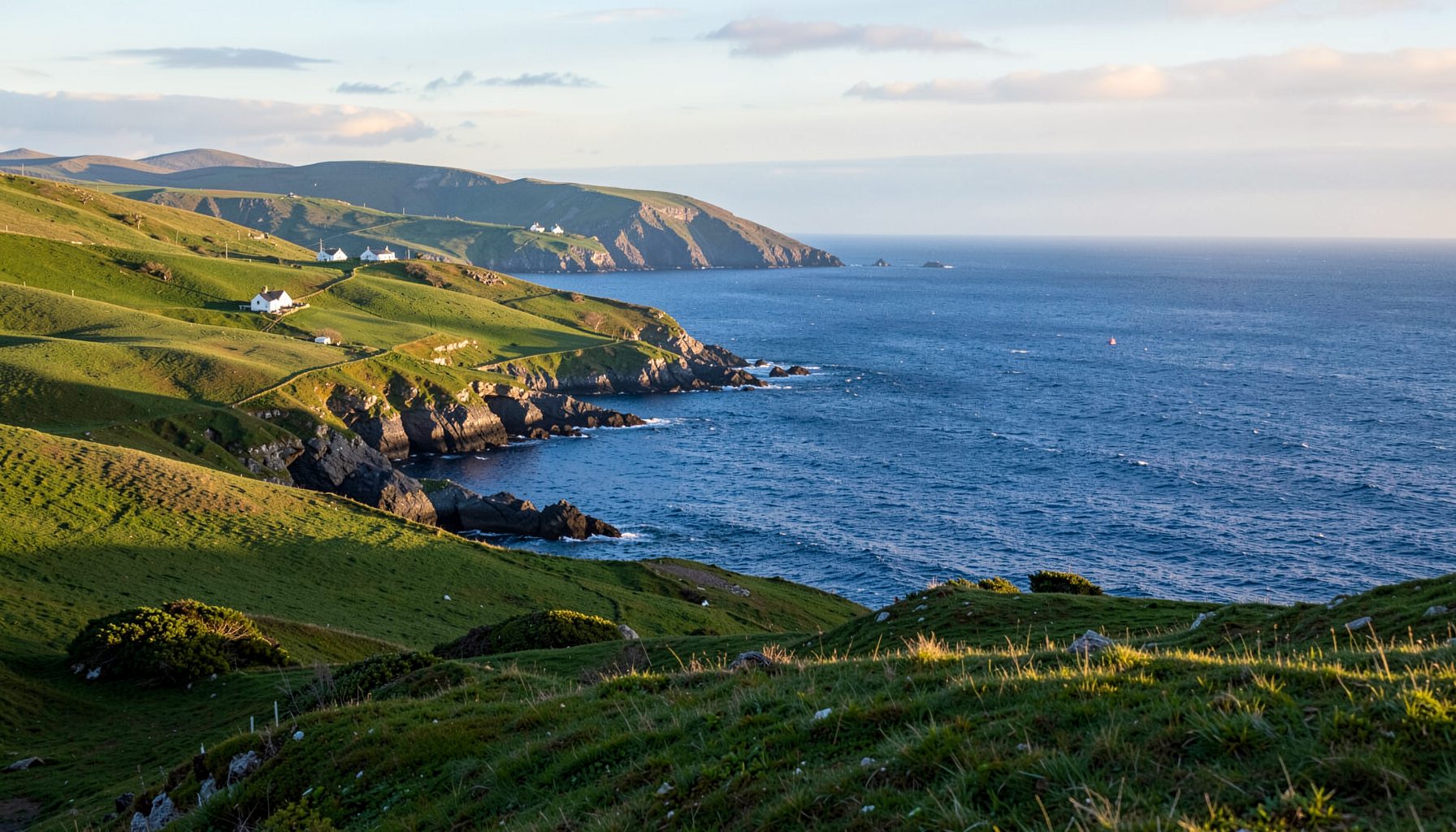
The morning light over Valentia Sound arrives the way good coffee arrives at a country kitchen — slow, then all at once. In Cahersiveen, the town that sits on the broad estuary of the River Fertha, mornings begin with the particular hush of a place where the sea sets the tempo. For one local seafood smoker, the day starts before the rest of the village stirs, with a walk down to the harbour to read the water and decide what the boats might bring.
There is a cadence here that would feel familiar to anyone who has wandered through the fishing villages of Tasmania's east coast or pulled up at the co-op in St Helens. The rhythm of small harbours, weather permitting, has its own rules. The smoker in question has been working these waters for the better part of three decades, combining the roles of boatman, filleter and smokehouse operator. His smokehouse sits a short drive from the town square, tucked behind a low stone wall that has weathered more Atlantic squalls than most roofs in Kerry.
Dawn on the Valentia Sound
By half past six the kettle is on, and the kettle is always on in this part of the Iveragh Peninsula. A quick scan of the sky over the Skelligs tells a fisherman everything a weather app tries to package into coloured circles. If the cloud sits low on the rocks, the boats stay in. If it lifts, the men head out through the sound, past the lighthouse on Beginish, and into the wide Atlantic where mackerel, pollock and the occasional stray of bass run thick.
For the smoker, the question of the morning is not whether to go out himself, but what arrives from the boats tied up at the pontoon. Local skippers have learned over the years that he pays a fair price for fish that might otherwise go to a wholesale buyer in Dingle or Tralee. He is fussy in a way that the bigger buyers are not: he wants fish that were bled at sea, kept on ice and not more than a day from the water. Anything else, he sends back, and the skippers respect that.
This kind of relationship between fisherman and processor is something Australians understand well. Along the wharves of Pyrmont, the Sydney Fish Market has spent decades building exactly this trust between boat operators and buyers. The difference here is one of scale. Cahersiveen's smoker might handle a few hundred kilos in a week at peak season, where Sydney moves that volume in a single morning rush.
The Art of Cold Smoking
Once the fish is back at the smokehouse, the real work begins. The smoker runs a cold-smoking set-up, where thin blue smoke from beech and oak drifts across the fillets at temperatures that rarely climb above thirty degrees. The fish loses moisture, takes on colour, and absorbs the flavour of the wood without ever cooking through. It is a slow affair: salmon might spend twenty-four hours in the chamber, mackerel closer to twelve.
Salt is the partner to smoke. A dry cure of sea salt and a whisper of soft brown sugar draws moisture from the flesh and firms the protein. The smoker uses salt from the Connemara coast, drawn from pans his supplier has tended for two generations. There is a stubbornness to this approach that Australian food writers tend to admire when they come through on assignment — chefs from Melbourne who have toured the Wild Atlantic Way often say the Irish cure reminds them of what their own grandfathers did with Tasmanian ocean trout before the factory smokers took over.
Cold smoking is patient work. The smoker checks the chimney at intervals through the day, adjusts the air intake by a finger-width, and listens for the sound the wood is making in the small grate. He speaks of it the way a vigneron might speak of a barrel. Years of practice mean he can tell the difference between wood that is resting and wood that has gone out, and he knows exactly when a fillet is ready by the way it resists a gentle press of his thumb.
From Net to Rack
The species that pass through this smokehouse are the everyday ones of the southwest Irish coast. Mackerel is the workhorse — plentiful, oily, ideal for smoking. Pollock and saithe provide a milder, flakier fillet that goes into the display as a more delicate offering. Whiting, when the boats bring it in small enough, is brined and hot-smoked for a different line of customers. Occasionally there is wild salmon from the Kenmare River, a treat reserved for the late spring runs.
| Fish | Smoking Method | Flavour Profile | Best Pairing |
|---|---|---|---|
| Mackerel | Cold-smoked over beech | Rich, oily, peppery | Brown bread, lemon |
| Pollock | Cold-smoked, light cure | Delicate, flaky | Soft cheese, horseradish |
| Whiting | Hot-smoked | Sweet, tender | Pickled onion, butter |
| Wild Salmon | Cold-smoked, long cure | Silky, deep | Sourdough, crème fraîche |
| Saithe | Cold-smoked | Mild, firm | Egg, chive |
Across the planet, Australian kitchens have their own beloved species. Barramundi from the northern rivers, snapper from Spencer Gulf, and the wild Australian salmon of Arripis georgianus caught off Western Australia all take smoke in their stride. The Atlantic cousins of the Cahersiveen smoker are different fish, but the principles travel. A mackerel cured in Kerry and a salmon from the Huon valley, finished in a similar chamber, would sit comfortably on the same platter at a dinner party in Brunswick or Cottesloe.
Selling to Locals and Visitors
The bulk of the smoked fish leaves the smokehouse through three channels. The first is the small counter at the front of the building, where locals drop in for their weekly pack. The second is the handful of restaurants along the Ring of Kerry that list house-smoked mackerel on their starters. The third, and the most unpredictable, is the tourist trade, which swells from May to September.
Australian travellers pass through in surprising numbers. Many have come via Dublin after a stopover, and they arrive with a habit of seeking out small producers the way they would at the Queen Victoria Market or the Salamanca Place markets in Hobart. The smoker has learned to vacuum-seal his fillets for the suitcases of travellers flying home, and he keeps a stack of ice packs in the chest freezer for exactly this purpose. The requests he gets from southern visitors are revealing: they ask for smokier, saltier profiles than his French or German customers do.
Pricing follows a simple logic. He charges a fair rate to local restaurants, a slightly higher one to visitors at the counter, and a premium for the gift packs that travel well. None of this is fancy marketing. The labels on the packets are handwritten, the website is a single page, and the man behind the counter would rather spend an arvo explaining his cure to a curious backpacker than running a paid social campaign. It is a model that works because the smokehouse sits on a route that brings people past the door.
Weather, Tides and the Tourist Calendar
The Atlantic does not run on a tourist's calendar. A wet July can leave the smokehouse quiet; a clear August can empty the shelves by lunchtime. The smoker has learned to keep his production conservative through winter and to scale up gently as the boats bring in summer mackerel. He smokes more in the weeks around the Cahersiveen Festival and the Puck Fair in Killorglin, when the peninsula fills with visitors looking for something to bring home.
Storms are part of the arithmetic. A bad week of weather means fewer fish at the pontoon, which means a thin week of smoking and a quiet shop. He adjusts by holding back fillets in the freezer for leaner periods, though he is careful not to smoke from frozen — the texture suffers. Like fishermen in Esperance or Port Lincoln, who plan their quotas around the variable southern ocean, he plans his week around the marine forecast and the gossip at the pier.
The seasonal calendar of a small smokehouse in Kerry and a commercial operation in Tasmania share this uncertainty. Both rely on a chain of weather, catch, processing and sale that can snap at any link. What differs is the buffer. A larger processor might absorb a quiet week; the Cahersiveen smoker feels every empty morning at the counter.
The Rhythm of Community Life
Beyond the smokehouse, life in Cahersiveen moves at the pace of its pubs and its parish. The smoker drops into O'Connell's most evenings, where the conversation is as much about football and the state of the roads as it is about fish. He smokes for his neighbours first, his visiting regulars second, and the rest of the world somewhere after that. There is a quiet pride in this ordering, and it shows in the way he talks about his work.
His hands tell the story as well as any interview would. The fingertips are stained ochre from years of wood smoke, the knuckles thickened by cold mornings on the pontoon and the repetitive grip of a knife. He is not sentimental about the trade. He calls it what it is: a long apprenticeship to weather, wood and the patience of fish. When the season closes and the boats come in for the winter, he repairs nets, oils the knives and waits for the spring mackerel to arrive.
If you find yourself driving the Ring of Kerry, follow the road past the viaduct, look for the low stone wall and the chimney that gives away its work. A packet of smoked mackerel, a slice of brown bread and a flask of tea is a lunch you will talk about for years. Pull up a stool at the counter, ask what is fresh that morning, and let the man behind the smokehouse tell you the rest.