A Falconer’s Life Along The Ring Of Kerry
Along the Skellig Coast, the work of a falconer begins with patience rather than spectacle. Before a hawk flies over a coastal field or a falcon returns to a gloved hand, there are hours of feeding, weighing, cleaning, observing and quiet preparation. The birds are working partners, yet they remain wild animals with strong instincts and individual temperaments.
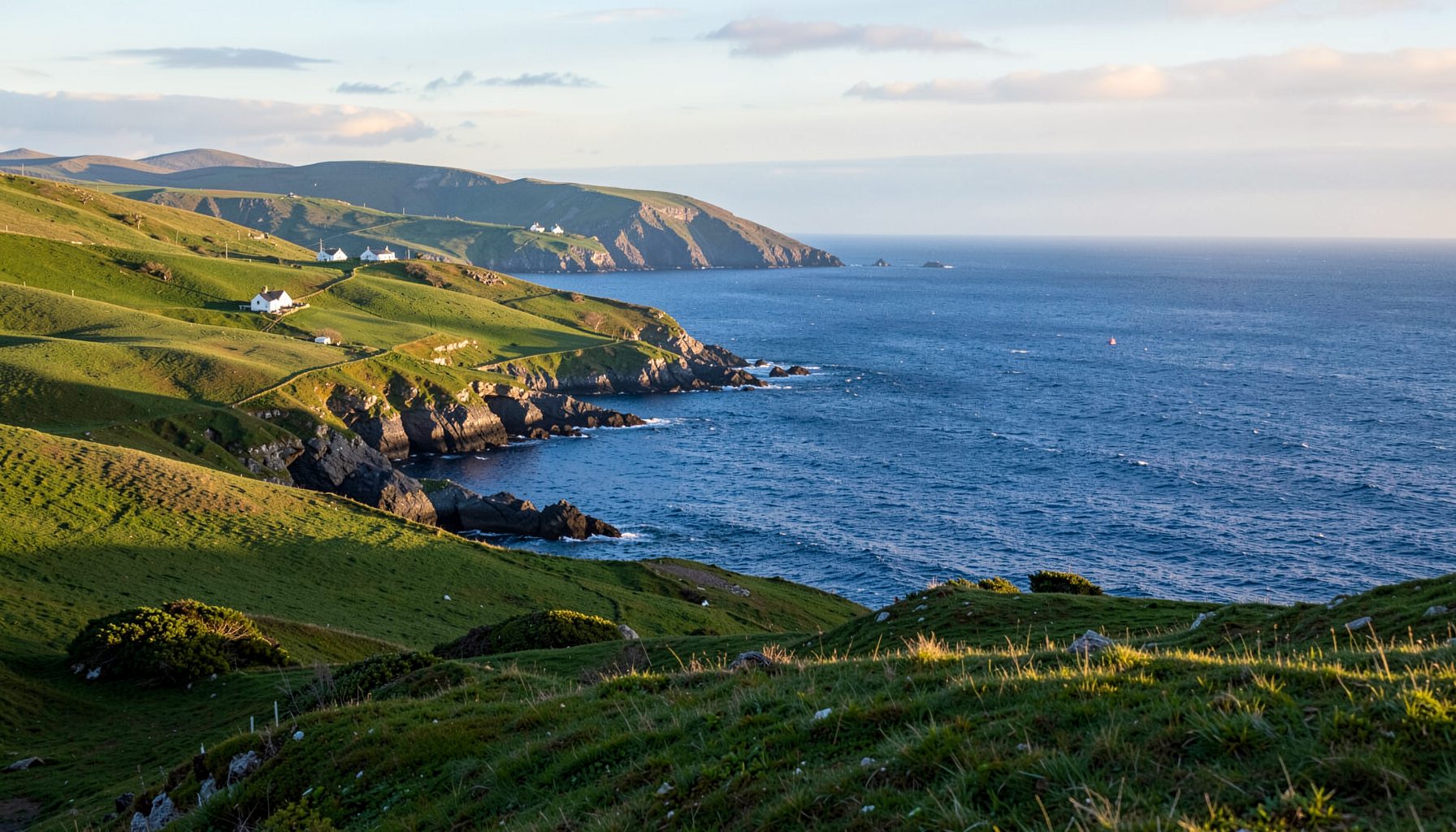
From Kells to Castlecove, the landscape provides a remarkable setting for this tradition. Atlantic cliffs, mountain passes, rough pasture and sheltered woodland create changing conditions for handling birds of prey. The Ring of Kerry may be famous for its scenery, but a falconer experiences it through wind direction, visibility, ground cover and the seasonal behaviour of local wildlife.
For Australian visitors, the rhythm can feel both familiar and distinctly Irish. Like preparing a working dog for a country show near Ballarat or checking conditions before a bushwalk outside Hobart, falconry depends on reading the environment. The difference is that every decision is made with a bird capable of sudden, powerful flight.
A Working Day Begins Before The Flight
A local falconer’s morning usually starts by checking each bird before any public demonstration or training session. Weight is especially important. A bird that is too heavy may lack the motivation to return, while a bird that is too light may be stressed or physically vulnerable. Experienced handlers learn to notice small changes in posture, appetite, feathers and alertness.
The daily routine includes preparing food, cleaning mews and equipment, inspecting jesses and anklets, and recording the bird’s condition. These tasks are not glamorous, but they protect the welfare of the hawk, falcon or owl. A sound relationship depends on consistency, and birds respond best to clear routines rather than force.
Weather determines whether training proceeds. A calm morning can become gusty along an exposed headland, while sea mist may reduce visibility in minutes. Rain, strong crosswinds and sudden changes in cloud cover can make a flight unsuitable. On the Iveragh Peninsula, the Atlantic is always part of the working environment.
This practical caution will make sense to Australians accustomed to checking fire danger ratings before heading into the bush, or watching surf conditions before entering the water. A falconer makes the same kind of decision through a more specialised lens: whether the bird can fly safely, navigate confidently and return without unnecessary pressure.
Birds Suited To The Kerry Landscape
Different raptors bring different qualities to falconry. Harris hawks are often valued for their cooperative nature and ability to work with a handler in open countryside. Falcons are built for speed and altitude, while owls depend on stealth, hearing and low-light hunting rather than long, dramatic flights. Each bird requires a different style of care and training.
The surrounding landscape influences the choice of flight area. Open fields may suit a broad-winged hawk, while woodland edges offer opportunities to demonstrate short, controlled flights. A falconer also needs a safe landing zone, clear boundaries and enough space to manage the bird if conditions shift.
The birds are not trained to perform tricks in the usual sense. Training develops a reliable response to the handler, commonly through reward, repetition and carefully managed distance. The bird chooses to engage, and the falconer must recognise when to continue and when to stop.
That distinction matters when discussing wildlife with visitors from Australia. Native raptors such as wedge-tailed eagles, powerful owls and brown falcons occupy very different ecological settings, and local laws govern how they may be handled. A Kerry falconer’s work should be understood as a regulated heritage and animal-care practice, not as a model for approaching wild birds in a park or reserve.
Reading Wind, Rain And Open Country
For a falconer, the Ring of Kerry is a living weather map. Wind sweeping in from the Atlantic can lift a bird dramatically, but it can also carry it beyond a safe working area. Valleys may shelter one field while creating turbulence above the next. A handler must read the land as carefully as the bird reads the air.
This knowledge develops through repeated observation. A person may know that a particular slope catches the morning breeze, that mist gathers around a ridge, or that walkers and dogs are likely to appear on a nearby trail. The safest flight is planned with these details in mind.
| Working factor | Why it matters to a falconer | Local relevance |
|---|---|---|
| Wind strength | Affects control, lift and the bird’s return path | Atlantic exposure can create rapid changes |
| Visibility | Helps the handler track the bird throughout a flight | Sea mist and low cloud may arrive quickly |
| Ground conditions | Influences take-off, landing and handler movement | Wet grass, stone walls and uneven fields are common |
| Public activity | Reduces disturbance and protects people and animals | Walking routes and village events can alter plans |
| Season | Changes daylight, weather and bird behaviour | Winter and summer require different routines |
The same principles apply to a guided walk around Valentia Island, a cycle along the coast or a visit to a heritage site. Being outdoors in Kerry involves accepting that plans are shaped by weather. Visitors from Brisbane or Perth may be used to heat and intense sun, while visitors from Melbourne know how quickly conditions can change; in Kerry, the essential preparation is often a waterproof layer and patience.
Falconry also encourages a slower form of landscape awareness. Instead of passing through a viewpoint for a photograph, observers begin to notice the direction of the wind, the pattern of sheep pasture and the birds already using the sky. The experience connects outdoor recreation with natural history.
Heritage, Responsibility And Community
Falconry has a long cultural history, but modern practice must be grounded in welfare, conservation and legal responsibility. A responsible falconer understands the difference between captive-bred birds, rehabilitated wildlife and animals that belong in the wild. The role is part animal care, part environmental education and part living heritage.
On the Skellig Coast, this outlook fits naturally with the region’s wider cultural identity. Communities around Cahersiveen, Waterville, Portmagee and Castlecove maintain strong links with the sea, the land and local history. Falconry can sit alongside storytelling, traditional music, walking programmes, craft activities and learning hubs as a way of sharing knowledge between generations.
A public display should leave people with greater respect for birds of prey rather than a desire to possess one. Good handlers explain how raptors hunt, how they contribute to ecosystems and why wild birds should not be fed or approached. They also make clear that keeping a raptor involves daily commitments, specialist knowledge, veterinary care and appropriate facilities.
There is a useful comparison with community events in Australia. A wildlife presentation at a regional show in Bendigo, a cultural festival in Darwin or a farmers market outside Adelaide works best when education is placed alongside entertainment. The same principle applies in Kerry: a memorable encounter should deepen understanding of the place and its wildlife.
A Living Tradition For Curious Visitors
A falconer’s work can be especially meaningful for visitors who are interested in the relationship between people and landscape. The activity reveals details that may otherwise be overlooked, from the role of hedgerows as shelter to the importance of quiet pasture for hunting birds. It also shows how much skill lies behind a short flight.
Visitors should approach a falconry experience with practical respect. Wear sturdy footwear, bring a waterproof jacket and follow the handler’s instructions around the birds. Large groups, sudden movements and uncontrolled dogs can unsettle a raptor. Mobile phones and cameras are best used discreetly, without distracting from the briefing.
For Australians, the custom of arriving prepared is familiar. Pack layers as you would for the Blue Mountains, apply sunscreen even under broken cloud, and allow extra time because rural roads and weather can slow a journey. Local cafés, village shops and farmers markets may operate on a smaller scale than those in Sydney or Melbourne, with opening hours shaped by season and community activity.
A visit to the Skellig Coast is also an opportunity to place falconry within a wider itinerary. The region’s heritage includes Skellig Michael, the UNESCO World Heritage Site and Star Wars filming location, as well as island traditions, coastal villages and scenic routes across the Iveragh Peninsula. The falconer’s viewpoint adds another layer: the sky becomes part of the cultural landscape.
What A Responsible Falconry Visit Teaches
A well-run session can help visitors understand:
- How bird welfare shapes every stage of training
- Why weather and terrain determine whether a flight proceeds
- The differences between hawks, falcons and owls
- Why wild raptors should be observed without interference
Visitors can support local practice by:
- Following access rules around fields, trails and heritage sites
- Keeping dogs close and controlled near working birds
- Buying locally from village shops, cafés and community markets
- Sharing accurate information about conservation and animal care
The life of a local falconer on the Ring of Kerry is grounded in routine, observation and trust. It is a demanding relationship with a powerful animal, shaped by the Atlantic climate and the particular character of the Skellig Coast. For anyone travelling from Australia, the experience offers a fresh way to understand Irish countryside: not as scenery alone, but as a working environment filled with weather, wildlife, memory and community knowledge.
Explore the communities, heritage places and outdoor programmes of the Skellig Coast, and include time to discover how local people care for the landscapes they call home.