A Local Chef’s Foraging Life Along The Skellig Coast
Along the Skellig Coast, cooking begins well before the first pot is placed on the stove. From Kells through Portmagee, Waterville, Caherdaniel and Castlecove, a local chef may start the day by checking the tide, reading the weather and walking familiar paths with a small knife, basket and notebook. The landscape offers sea herbs, coastal greens, berries, flowers and mushrooms, yet each ingredient demands knowledge of season, habitat and safe handling.
For Australian readers accustomed to weekend farmers’ markets in Melbourne, Sydney or Brisbane, this way of cooking may feel both familiar and more intimate. The chef’s market is a shoreline, hedgerow or upland track, while the supplier may be the weather itself. Foraging is not a hunt for unusual ingredients at any cost. It is a careful relationship with the Iveragh Peninsula, shaped by local customs, land access, conservation rules and respect for the communities that live here.
Salt Wind And Early Starts
A foraging day often begins with the forecast rather than a recipe. Atlantic rain can arrive quickly, and strong wind changes what is practical to gather. A chef may leave after an early breakfast, when the roads are quiet and the light reveals young leaves along stone walls. Near the coast, the tide determines whether sea lettuce, dulse or other edible seaweeds can be reached safely. Further inland, sheltered lanes may offer nettles, wild garlic and sorrel.
The work is physical and repetitive. Gloves protect the hands, but they do not replace experience. A forager learns which plants grow beside clean water, which stretches of shore are exposed to pollution and which areas have been treated, grazed or sprayed. A basket keeps delicate leaves from being crushed, while a notebook records the date, location and condition of every harvest. This information helps the kitchen understand how an ingredient changes from one week to the next.
There is also an emotional rhythm to this routine. A chef can spend years seeing the same headland in different light, noticing when gorse opens, when blackberries sweeten or when the first tender greens appear. The landscape becomes a living calendar. Rather than ordering identical produce every day, the kitchen adapts its menu to the peninsula’s short windows of abundance.
Reading The Peninsula’s Edible Landscape
Wild ingredients are usually gathered in modest quantities. A chef might collect enough seaweed for a stock, a handful of young nettles for a soup or a small bowl of blackberries for a dessert. The goal is to leave the patch healthy and productive. Roots are rarely disturbed, mature plants are left to seed and only a portion of what is available is taken.
The coastal environment gives familiar dishes a distinct character. Dulse can bring a deep savoury note to butter or broth. Sorrel adds a clean acidity to fish, while wild garlic works through sauces, pickles and herb oils. Gorse flowers may lend a subtle coconut-like perfume to sugar or cream. These flavours are used with restraint because the chef wants diners to recognise the connection between plate and place.
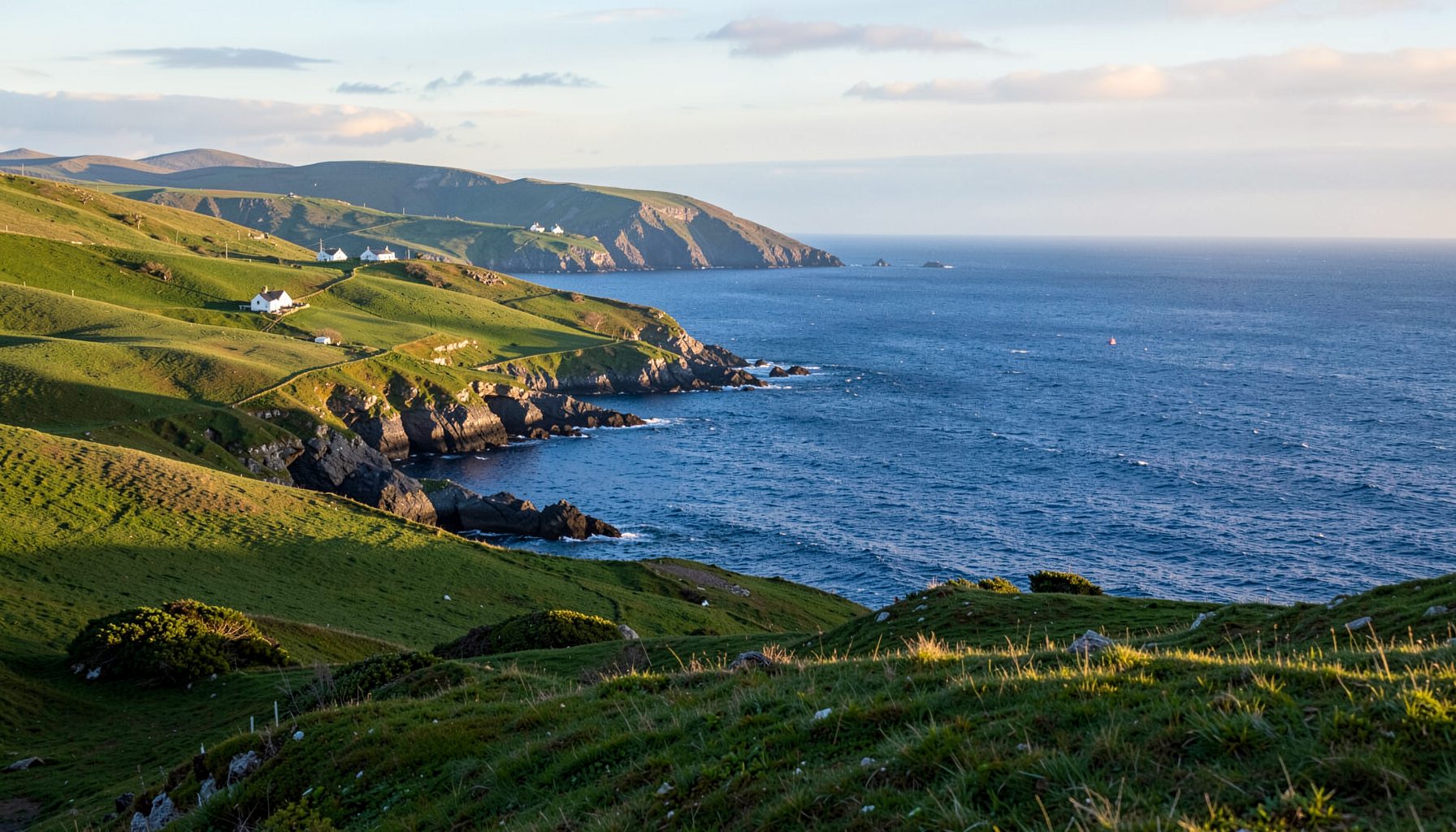
Visual observation is part of that process. Colour, texture and season can guide a chef before tasting begins, and photographs help record how a site changes across the year. A collection of coastal field photography can offer inspiration for documenting the relationship between food, weather and landscape, although a photograph can never replace proper plant identification.
For visitors from Australia, the comparison with bush foods is useful but limited. Wattle seed, lemon myrtle and saltbush each belong to particular Australian ecologies and culinary traditions; Irish seaweed, sorrel and nettles have their own requirements. The principle is shared: learn from local experts, identify plants with certainty and never assume that an ingredient is safe because it resembles something familiar.
A Forager’s Working Kit
A chef who gathers ingredients along the Skellig Coast relies on simple equipment and disciplined habits. The kit must support safe collection without turning a walk into an industrial harvest.
- A breathable basket or cloth bags for delicate leaves
- A sharp knife and clean gloves for careful cutting
- Waterproof clothing, sturdy boots and a charged phone
- A notebook for locations, weather, tides and quantities
Food safety begins at the point of collection. Ingredients are separated by type, kept cool and returned to the kitchen promptly. Seaweed may be rinsed according to the chef’s intended use, while leafy plants are checked for insects, grit and damaged sections. Wild mushrooms receive particular caution: only specimens identified by an experienced authority should enter a professional kitchen.
Permission matters as much as identification. Land may be privately owned, and coastal or upland areas can have conservation restrictions. National park rules, local access arrangements and protected habitats must be checked before anything is picked. A chef may establish relationships with farmers, landowners and community groups so that gathering becomes transparent rather than intrusive.
This is a useful point of comparison with Australia, where state and territory rules govern many public lands and national parks. A bushwalker in New South Wales, Victoria or Queensland cannot assume that collecting plants, shells or other natural materials is allowed simply because a track is open to the public. The same practical habit applies on the Iveragh Peninsula: check the rules first, ask permission where needed and leave protected places undisturbed.
From Hand Basket To Service
Once a foraged ingredient reaches the kitchen, the chef’s work changes from field observation to preservation and preparation. Fresh nettles may be blanched immediately to soften their sting. Seaweed can be dried for seasoning, folded into butter or used to deepen a broth. Berries might become a vinegar, ferment, compote or lightly sweetened garnish. Preserving extends a brief seasonal moment without pretending that the ingredient is available all year.
The kitchen also keeps records for traceability. Dates, locations, quantities and preparation methods can be noted alongside supplier details. Professional food businesses in Ireland must meet food hygiene requirements, and wild ingredients still need the same attention to cleanliness, storage, allergens and contamination as purchased produce. A foraged leaf does not receive special treatment simply because it was collected by the chef.
Australian diners will recognise the logic from contemporary restaurants that work with native ingredients and small producers. They may also recognise the practical importance of clear menu information. Under the Food Standards Code administered through Food Standards Australia New Zealand, businesses must manage food safety and communicate relevant allergen information. A restaurant in Perth or Adelaide might list macadamia, shellfish or sesame; a Skellig Coast kitchen must be equally careful with ingredients and cross-contact, even when the source is a nearby hillside.
The local market still has an important role. A chef cannot gather every ingredient, and commercial suppliers provide flour, dairy, eggs, fish, meat and vegetables in reliable quantities. Foraged produce works best as part of a wider supply chain. Like a stallholder at Sydney’s Carriageworks Farmers Market or Melbourne’s Prahran Market, the chef values freshness and provenance, but the wild harvest adds another layer of seasonal uncertainty.
What Reaches The Plate
The final dish is often understated. A bowl of soup may contain common potatoes and onions lifted by a small amount of nettle. Grilled fish may be finished with seaweed butter, pickled coastal greens or a few bitter leaves. Dessert might use blackberries gathered from a lane, balanced with cultured cream rather than hidden beneath heavy decoration.
- Nettles folded into soup, pesto or savoury pastry
- Seaweed used in stock, butter, seasoning or pickles
- Sorrel paired with fish, potatoes and fresh cheese
- Blackberries and gorse flowers used in seasonal sweets
A chef’s menu changes when the weather changes. Heavy rain can delay a harvest, salt spray can affect growth and a warm spell may bring flowers forward by several days. This uncertainty is part of the appeal, but it also prevents romantic ideas about endless free food. Foraging requires labour, judgement and restraint, and the cost is measured in time as well as ingredients.
The best kitchens make that story visible without turning the landscape into a prop. Diners may learn the name of a seaweed, hear why a particular shore was chosen or understand why a dish disappears when the season ends. In this way, food becomes a form of local education. It connects visitors with the people, weather, heritage and working knowledge of the peninsula.
The same respectful approach is important for visitors arriving from Australia. A weekend bushwalking habit, a reusable produce bag and enthusiasm for regional food are useful starting points, but they do not grant permission to pick. Carry purchased supplies, keep dogs under control where required, follow marked paths and take photographs instead of plants in sensitive habitats. Biosecurity rules also mean that natural materials should not be carried between regions without checking the relevant requirements.
Follow the seasonal stories of the Skellig Coast, support local food producers and community initiatives, and learn the landscape through the people who care for it. When you visit from Melbourne, Sydney or elsewhere in Australia, let the peninsula’s own pace guide your experience: observe closely, tread lightly and leave each wild place ready for another season.