The Quiet Craft Of A Cheese Maker Near Derrynane
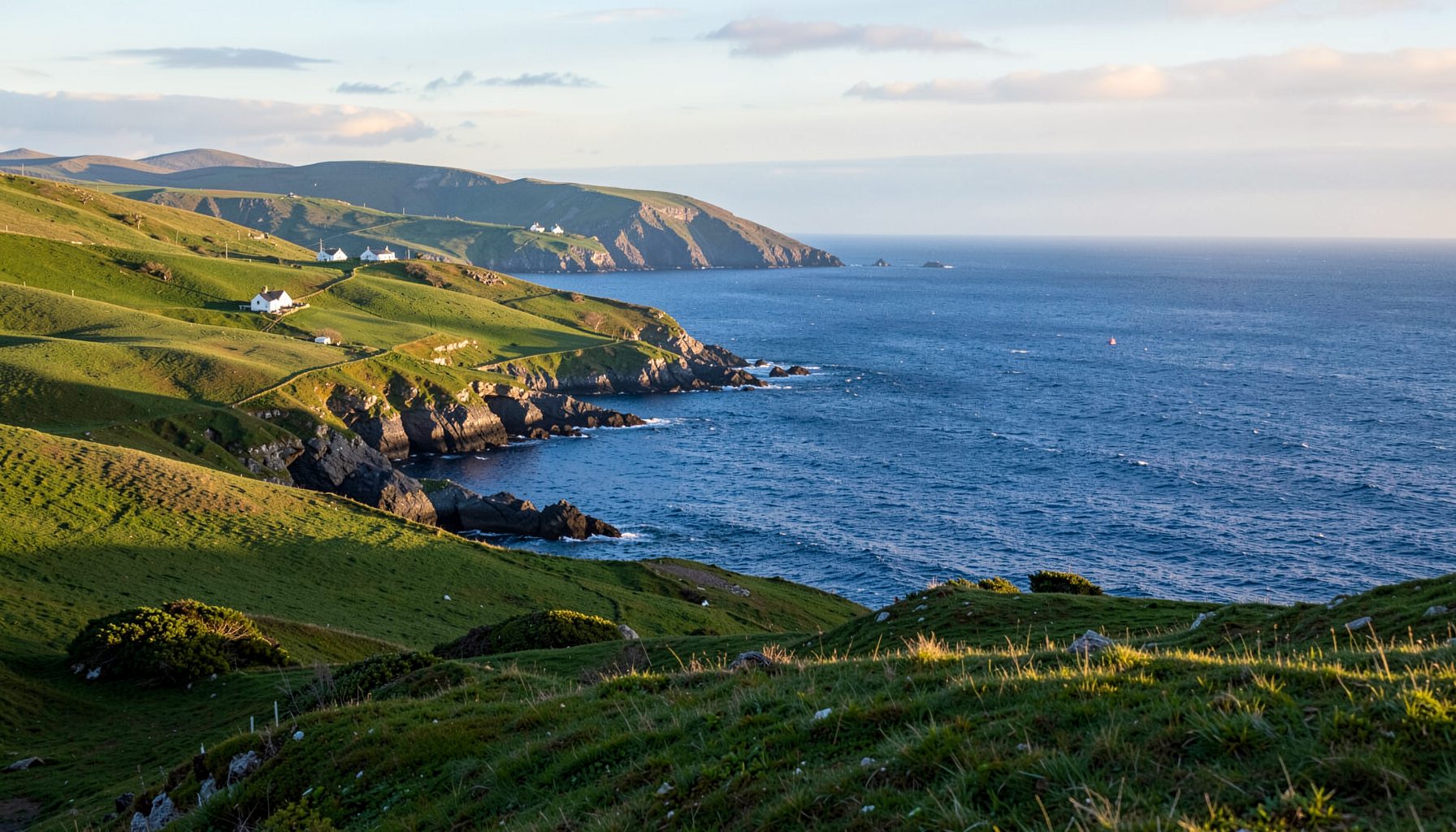
The life of a local cheese maker near Derrynane is shaped by weather, livestock, tides of visitors and the patient work of turning fresh milk into something with character. In this part of County Kerry, dairy production is closely connected to the landscape. Green fields run towards the Atlantic, stone walls divide small holdings, and the wind can change the rhythm of a working day within minutes.
Derrynane sits on the southern edge of the Iveragh Peninsula, close to Caherdaniel and the coast road through the Skellig Coast. A small cheesemaking business here belongs to a wider rural network: farmers supplying milk, neighbours sharing equipment or advice, local shops stocking regional food, and visitors discovering the area through its flavours as much as its scenery.
For an Australian audience, the setting may feel both familiar and wonderfully different. Like a producer at a farmers’ market in Daylesford, Byron Bay or the Adelaide Hills, a Kerry cheesemaker depends on trust, regular customers and a strong sense of place. The scale is smaller, the climate is wetter, and the local expression might be “grand” rather than “no worries”, but the pride in a carefully made product is easy to recognise.
Milk From A Coastal Landscape
Cheese begins long before the curds appear. Near Derrynane, the quality of milk reflects the health of the herd, the grazing available through the year and the practical decisions made on the farm. Cows may feed on grass grown in fields enriched by steady Atlantic rain, with supplementary feed used when conditions become difficult.
The landscape is beautiful, but it is not always gentle. Salt-laden winds, heavy rain and narrow roads can complicate deliveries and maintenance. A small producer must think about fences, machinery, refrigeration and animal care while also monitoring the milk closely. There is little separation between the business and the weather outside the dairy door.
The coast also influences the character of the finished cheese in less literal ways. A producer may choose a style that matures well in a cool, damp environment, or develop a recipe that suits the milk available from nearby farms. Place is expressed through decisions rather than added as a marketing slogan.
Before The First Wheel Takes Shape
A cheesemaking day often starts early, when the milk is at its freshest and the dairy is cool. Equipment must be cleaned and sanitised before anything else happens. The maker checks temperatures, measures cultures and prepares the vats, following a routine that is precise without becoming mechanical.
Cultures are added to encourage acidity and develop flavour. Rennet helps the milk set, after which the curd is cut into small pieces. The size of those pieces matters: smaller curds generally release more whey, while larger pieces retain more moisture. Stirring, heating and draining all require judgement, because milk does not behave identically every day.
This is skilled manual work. The cheesemaker watches the curd, feels its texture and listens to how it moves through the vat. Written records are important for food safety and consistency, yet experience remains vital. A recipe can specify a temperature, but the maker still needs to recognise when the curd is ready.
Reading Time Through Taste
Once the whey has been drained, the curd is pressed, salted and shaped. Some cheeses are placed in moulds; others are formed by hand. Salt controls flavour and moisture while helping to preserve the cheese. The newly made rounds then move into an ageing room, where they require regular attention.
Maturing cheese is a quiet process, but it is not passive. Wheels may be turned, brushed or washed, and their surfaces are inspected for changes in colour, texture and aroma. The maker learns to distinguish a healthy rind from a problem that needs immediate action. A batch can develop a deeper, nuttier flavour over several weeks, while another may need to be sold young.
This part of the work rewards patience. Australian shoppers who know the difference between a young chèvre, a clothbound cheddar and a long-aged farmhouse cheese will recognise the appeal. The maker is balancing freshness and maturity, producing a food that carries the season in which it was made.
Work That Follows The Seasons
There is no identical working week across the year. Spring may bring stronger pasture and a flush of milk, while summer can create pressure around refrigeration and storage. In autumn, maintenance and preparation become important. Winter brings shorter days, wet ground and a renewed focus on keeping animals healthy.
Tourism adds another rhythm. During the warmer months, the Ring of Kerry attracts walkers, motorists, families and overseas visitors. A cheesemaker may spend part of the morning in the dairy and the afternoon preparing orders, speaking with a shopkeeper or setting up a tasting. When the roads quieten, production may become more reflective, with time available for recipe trials and repairs.
The business also has to remain realistic. Small-scale food production involves rising energy costs, packaging, transport and compliance work. A cheesemaker near Derrynane may sell through several modest outlets rather than one large chain. That can protect the product’s local identity, but it requires careful planning and a close understanding of the community.
Markets, Visitors, And Local Trust
Local sales are built through relationships. A customer might first encounter the cheese in a village shop, at a community event or during a visit to the peninsula. They may return because the maker can explain the milk, the ageing process and the best way to serve it. That direct connection gives a small producer an advantage that a supermarket label cannot easily reproduce.
For Australians, the comparison with a Saturday farmers’ market is useful. In Melbourne or Sydney, shoppers may arrive early for sourdough, flat whites and seasonal produce, then carry a soft cheese home in an insulated bag. Near Derrynane, the scale is more intimate, but the principle is similar: buyers want to know who made the food and why it tastes distinctive.
Visitors often appreciate practical guidance rather than a formal sales pitch. A maker might suggest serving a firm cheese with apple, local honey or brown bread, or explain how to keep it cool on the journey. The tone is usually straightforward and friendly. A quick “Howya?” or “That’ll be lovely with a cup of tea” can make a food encounter feel personal without being staged.
Learning In A Working Dairy
Cheesemaking is learned through repetition, observation and shared knowledge. A new worker may begin with cleaning, packing and recording temperatures before handling the curd. These tasks can seem ordinary, yet they establish the discipline that keeps a dairy safe and consistent.
Knowledge also travels through rural networks. Producers speak with farmers, food specialists, teachers and other makers about cultures, equipment and seasonal changes. Community learning hubs and local cultural initiatives can help connect traditional skills with younger residents, giving food production a place within the wider story of the peninsula.
Food safety is central to the craft. Producers work within Irish and European requirements covering hygiene, traceability, labelling and temperature control. This is relevant to Australian readers, too, since makers selling at a market must meet Food Standards Australia New Zealand requirements and manage transport carefully. Whether the stall is at a Queensland weekend market or a Kerry village event, enthusiasm cannot replace safe handling.
Ways To Support Small Food Producers
- Buy directly from the maker or a reputable local shop when visiting the Skellig Coast.
- Keep fresh cheese cool and follow the storage advice provided on the label.
- Pair regional cheese with other local foods rather than treating it as a souvenir alone.
- Share the producer’s story accurately, giving credit to the farm and community behind the product.
- Allow extra time for a conversation, tasting or visit to a local market.
A small purchase can support more than one household. It may help sustain nearby milk production, local retail, packaging suppliers and community events. It also encourages food traditions that depend on people continuing to make, sell and talk about regional products.
For visitors from Australia, responsible buying means remembering the journey home. Some fresh dairy products cannot be carried through international biosecurity controls, and rules can change. Enjoying the cheese in Ireland, or choosing a properly packaged product that is permitted for export, is part of travelling respectfully and avoiding trouble at the border.
The cheesemaker’s day near Derrynane rarely looks dramatic from the outside. It is made up of early starts, careful records, wet boots, polished equipment and decisions that may not be noticed by the final customer. Yet those quiet details give the cheese its identity. The finished wheel links pasture to plate, farm work to local enterprise and an Atlantic landscape to the people who live there.
Explore the Skellig Coast through its villages, community initiatives, food traditions and working heritage. Follow the roads from Kells to Castlecove, take time in Derrynane and Caherdaniel, and let the region’s makers add another layer to the story of the Iveragh Peninsula.