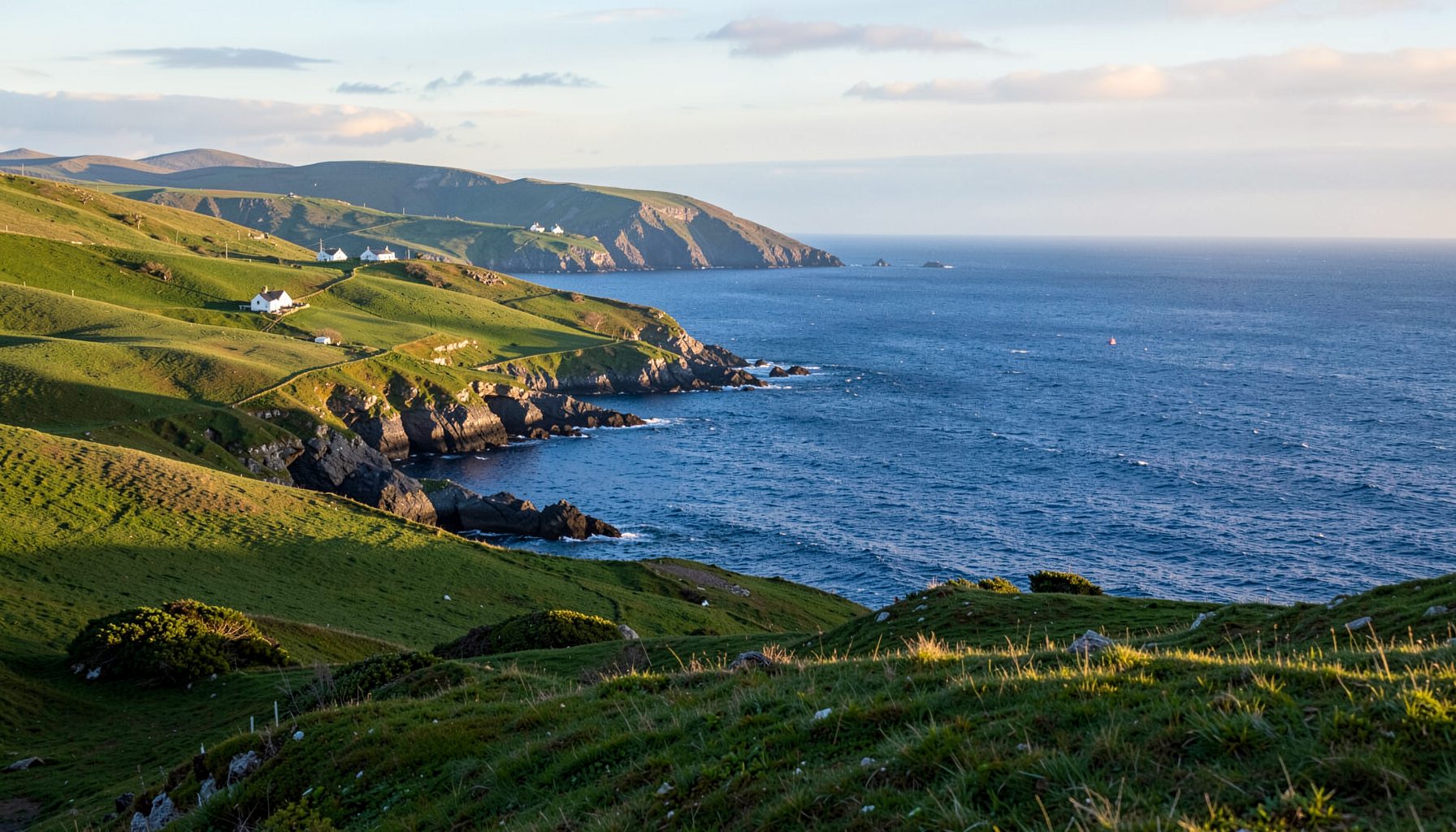
Sea Glass Beadwork Along the Skellig Coast
Along Ireland’s south-western coast, sea glass carries a record of movement. Broken bottles, jars and old household objects are softened by salt, sand and years of rolling water before they arrive among the stones. For a local beadworker on the Skellig Coast, these small fragments become jewellery, ornaments and personal keepsakes shaped by the character of the Iveragh Peninsula.
The work sits between craft, coastal observation and community storytelling. A piece made near Kells, Caherdaniel, Waterville or Castlecove may contain colours associated with fishing, farming, household life or the changing trade routes of the Atlantic. Each fragment is irregular, and that irregularity gives handmade beadwork its appeal.
For visitors from Australia, the process offers a different way to understand Ireland’s coastline. It has something in common with beachcombing around Sydney, collecting shells near Perth or browsing handmade stalls in Melbourne, yet the Skellig Coast has its own weather, history and traditions. The finished work connects a local shore with a much wider audience.
Making beauty from weathered fragments
A sea-glass beadworker rarely begins with a neat supply of identical pieces. The raw material may be found in a range of greens, browns, blues, whites and frosted translucent tones. Some fragments are thick and heavy, while others are thin enough to glow when held against daylight.
The first task is sorting. Glass is grouped by colour, size, surface and shape, with special attention paid to cracks or sharp edges. A fragment that looks ordinary on wet shingle can become the focal point of a pendant once it is cleaned, drilled and paired with suitable beads.
The work also involves restraint. A maker may leave a particularly unusual piece untouched for months, waiting for the right design. Sea glass is finite, and its imperfections cannot be reproduced exactly. That makes each finished item individual rather than interchangeable.
A day shaped by tide and light
The rhythm of this craft follows the coast. A beadworker may walk after rough weather, when fresh material has been moved higher onto the shore, or visit at low tide when stones and worn glass are easier to inspect. Morning light is especially useful because it reveals colour and transparency more clearly than an overcast afternoon.
The shoreline from Kells towards Castlecove includes beaches, coves, rocky edges and exposed stretches where conditions can change quickly. A local maker learns which places collect rounded fragments, which areas are too fragile to disturb and which locations are better appreciated through observation alone.
Beachcombing is rarely a guaranteed harvest. Many walks produce only a handful of suitable pieces, and some produce none. The time is still valuable: it brings the maker into contact with sea birds, changing weather, passing neighbours and the layered landscape around the Skellig Islands.
Choosing glass with a local eye
Experienced makers can often identify clues in sea glass that a casual visitor misses. The degree of frosting suggests how long a piece may have spent in the water, although surface appearance alone cannot provide an exact age. Colour, thickness and manufacturing marks can also hint at the original object.
Older-looking fragments are treated carefully, especially when their shape or markings suggest a historic bottle or household vessel. A beadworker must balance curiosity with respect for local heritage. The coast is a shared cultural landscape, and removing material from it should never become careless collecting.
The Skellig Coast is closely associated with maritime history, monastic heritage and the dramatic presence of Skellig Michael, a UNESCO World Heritage Site and a filming location for Star Wars. Sea-glass jewellery does not replace those major attractions; it offers a smaller, personal way to reflect on the relationship between people and the Atlantic.
The tools behind the shoreline craft
Once a fragment has been selected, the creative process moves indoors. The glass is washed and inspected under strong light. Any sharp edges are smoothed, while the original outline is usually preserved wherever possible. Some makers use diamond drills, water cooling and protective equipment to create a hole without overheating or splitting the glass.
Wire, cord, sterling silver, recycled metal and traditional beads may be added according to the intended use. A pale green fragment might be set with seed beads, while a substantial brown piece could become a simple pendant on leather or waxed cotton. The supporting materials frame the sea glass without competing with it.
Safety is essential at every stage. Eye protection, ventilation, careful drilling and responsible disposal of glass dust are part of professional practice. The romantic image of a maker working at a kitchen table needs to be matched by disciplined handling and a well-organised workspace.
From coastal find to finished piece
Design often begins with the fragment rather than a fixed pattern. The maker may turn it several ways, testing how it catches light and how its weight sits against the body. A small mismatch between two pieces can become a pleasing asymmetry in earrings or a balanced feature in a bracelet.
Many customers value the story attached to a piece. They may choose a pendant after walking near Portmagee, select green glass to recall the Atlantic, or buy a gift connected to a family visit to Waterville. The meaning comes from the combination of material, place and memory.
Presentation matters too. A small card can explain that the item was handmade on the Skellig Coast, while a note about care can prevent damage. Sea glass is durable, but wire, cord and metal findings still benefit from dry storage and gentle cleaning.
Connecting Irish craft with Australian buyers
Australian visitors are familiar with coastal collecting and small-scale craft markets. A customer from Sydney may recognise the pleasure of searching a beach after a storm, while someone from Melbourne may compare the work with the handmade jewellery sold at weekend design markets. In Brisbane, Adelaide or Hobart, sea-inspired accessories often appeal to people who live close to water even when the landscape is very different.
The local market in Australia also places value on provenance. Buyers increasingly look for handmade goods with a clear story, responsible sourcing and a connection to a particular community. A sea-glass pendant from the Iveragh Peninsula can speak to those interests when its description is accurate and its materials are explained plainly.
Pricing should reflect the time involved rather than the apparent size of the glass. A tiny fragment may require several hours of searching, testing and finishing. Australian customers should also remember that international postage, currency conversion and any applicable taxes or import requirements can affect the final cost.
Choosing sea-glass jewellery responsibly
A thoughtful purchase supports the maker and respects the coast from which the material comes. Before buying, customers can look for clear descriptions of how the glass was sourced, what metals or cords were used and whether the item is designed for everyday wear or occasional display.
Responsible shopping also means accepting variation. Handmade earrings may differ slightly in shape, and a pendant may have a subtle mark that confirms its natural history. Uniformity belongs to factory production; the appeal of beach-found glass lies in its individual surface and irregular form.
Useful points to consider include:
- Choose pieces with a stated connection to the Skellig Coast or another clearly identified source.
- Ask whether the glass was responsibly collected and whether fragile or protected areas were avoided.
- Check the dimensions, weight and fastening style before ordering from Australia.
- Look for care instructions covering salt water, perfume, moisture and metal tarnishing.
- Prefer makers who explain their process rather than making exaggerated claims about age or rarity.
- Support local fairs, community shops and cultural events when visiting the Iveragh Peninsula.
- Keep packaging and maker information so the story remains attached to the jewellery.
Keeping heritage at the centre
Sea-glass beadwork belongs to a wider network of local creativity. Learning hubs, craft groups, community halls and cultural initiatives help residents share skills that may otherwise remain private. Demonstrations and workshops can show how a small coastal practice fits into the social life of villages along the Ring of Kerry.
The craft also encourages a slower form of tourism. Visitors may arrive hoping to see Skellig Michael or travel the scenic roads, then discover the value of spending time in a village studio or speaking with a local maker. That interaction supports the idea of the Skellig Coast as a living region rather than a backdrop for sightseeing.
For Australian audiences, the strongest connection is often the shared respect for coastal identity. From an Irish cove to a market stall in Melbourne or a gallery shop in Sydney, a handmade object can carry a sense of place across distance. Sea glass becomes a modest but tangible link between shorelines, communities and personal memories.
Explore the Skellig Coast through its villages, heritage, outdoor programmes and community events, then look for local makers whose work reflects the landscape with care. A piece of sea-glass beadwork can be a meaningful reminder of the Atlantic coast, especially when it is bought responsibly and accompanied by the story of the person who made it.