The quiet rhythm of a community gardener in Waterville
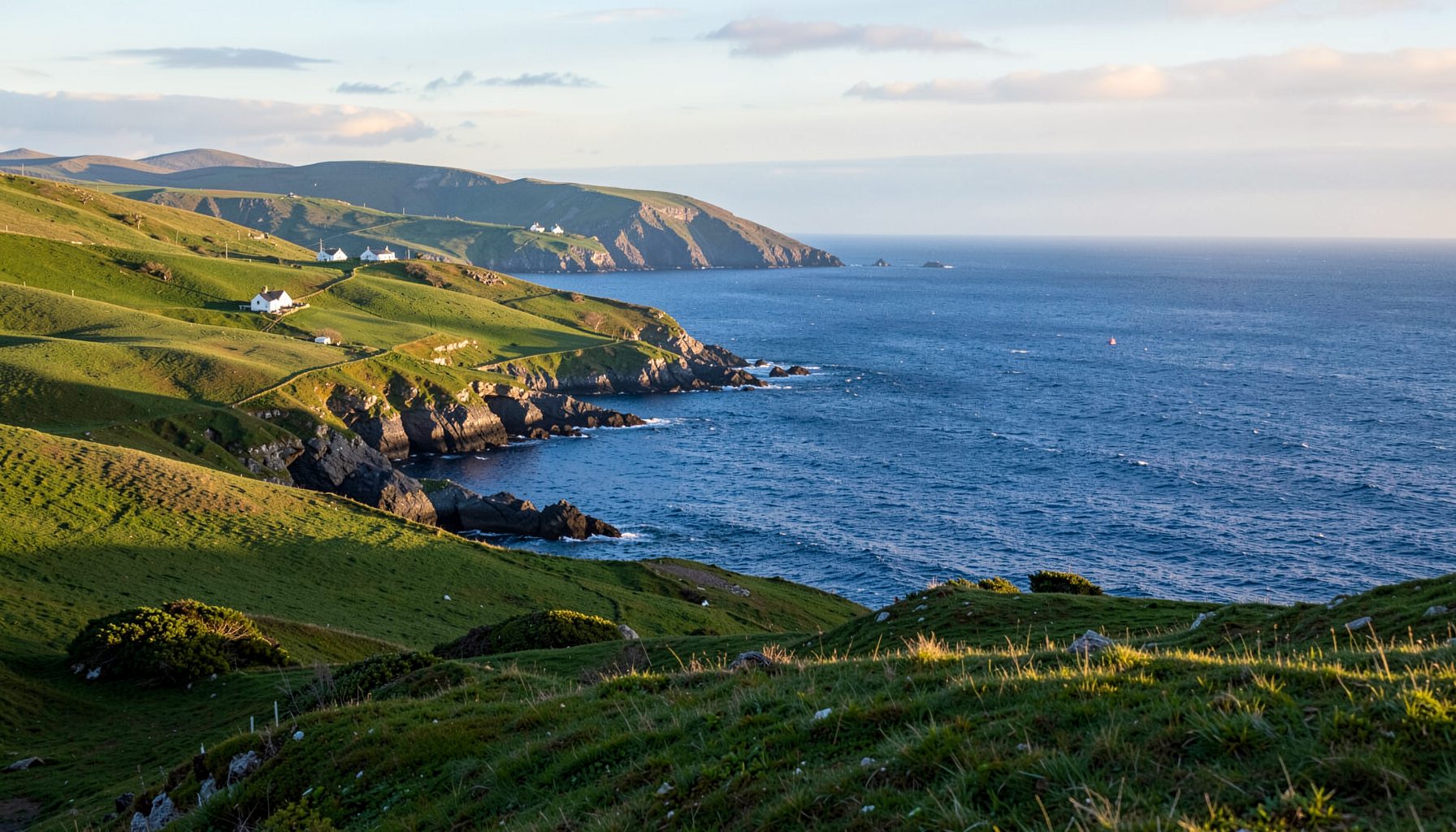
The first light over Ballinskelligs Bay catches the polytunnel roofs before it touches the village. By half past six, a figure is already at the gate of the Waterville community garden, unlatching the wooden door that the salt wind has worked loose overnight. The Atlantic gulls are circling the pier, and the only sound louder than the surf is the creak of the hinge. This is how the day begins for the people who tend this stretch of soil, and it is a rhythm that has shaped the coast for longer than any of them can remember.
Waterville sits at the southwestern edge of the Iveragh Peninsula, where the Ring of Kerry loops back toward the sea. The garden occupies a sheltered corner behind the old schoolhouse, its raised beds built from timber reclaimed during a renovation a decade ago. Volunteers arrive in ones and twos, swapping greetings in Irish and English, comparing notes on the overnight rain. There is no hurry here. The garden moves at the pace of the tide.
For readers familiar with the community plots of Melbourne’s inner north or the volunteer-run beds along the Yarra, the scene will feel both foreign and familiar. The soil is different, the climate is harsher, but the impulse is the same: people gathering to grow food together, to swap seeds and stories, to put down roots in a place that is more often associated with departures than with arrivals.
Morning rituals by the Atlantic
The gardener’s day begins with a slow circuit of the beds. Tomatoes are checked for blight, lettuces for slugs, climbing beans for the way they have twisted themselves around their supports overnight. In Waterville, the morning ritual is less about productivity and more about attention. The coast does not reward haste; it rewards patience. A bed that was tidy on Monday can be flattened by a Tuesday squall, and a seedling that looked promising on Friday may be blackened by Saturday frost.
Coffee is brewed on a small gas ring in the shared shed, and the first real task is always the same: lifting the lids on the cold frames to let the morning air in. Saoirse, who has tended this plot for nine years, says she rarely makes firm plans. “The garden tells you what it needs,” she explains, “and you either listen or you waste a season.” The sentiment echoes what volunteers say at the Adelaide Showground community garden or the plots tucked behind the Queen Victoria Market in Melbourne — that the soil, not the calendar, sets the schedule.
Working with wind, salt, and rain
The climate of the Skellig Coast is not for the fainthearted. Rain arrives sideways, driven by westerlies that have travelled the full width of the Atlantic. Salt spray settles on the leaves of the brassicas, and the wind can shear a polytunnel if it is not properly anchored. Raised beds are essential here, not as a fashion choice but as a survival strategy. They lift the root zones above the waterlogged ground and allow the gardener to build a soil structure that can hold moisture without becoming sodden.
Seaweed is the great free gift of the coast. After a storm, the beach is lined with wrack that has been torn from the rocks offshore. The gardener collects it in buckets, rinses it lightly to wash off the worst of the salt, and layers it into the compost. Over a season, it breaks down into a dark, mineral-rich amendment that the potatoes and cabbages seem to crave. It is a practice that would be familiar to many Australian gardeners too, particularly those along the Victorian and Tasmanian coasts who gather kelp for their own beds. The exchange of tips between hemispheres happens more often than one might think, usually over email or during the winter visits that some Australian growers make to the Iveragh Peninsula.
Seeds, shared plots, and the wider community
The garden is not a private idyll. It is a patchwork of individual plots and shared rows, where the surplus of one bed becomes the gift for a neighbour’s kitchen. Heritage varieties are prized here — the purple-flowered broad bean passed down from an aunt in Cahersiveen, the floury potato that holds its shape in a winter stew, the leek that overwinters without bolting. Seeds are saved at the end of each season, dried on windowsills, and stored in paper envelopes in the shed.
Once a month, the gardeners bring their surplus to the local market, where it sits alongside bread, cheese, and freshly caught fish. The exchange is not just commercial but social, a chance to catch up on village news and to hear what is coming in from the boats. Those who wander down from the garden often stop at neighbouring stalls, and the conversation drifts from currant bushes to the state of the road over the pass. A visit to the Cahersiveen market offers a fuller picture of how this coastal community feeds itself, with the garden playing its small but essential part.
The calendar of harvests
The year turns in slow, generous arcs. Spring is for sowing and thinning; summer is for the first salads, the early potatoes, the strawberries that the children pick straight from the canes. Autumn brings the squash, the onions, the beans dried on the vine. Winter is for soup, for leeks and parsnips pulled from ground that has barely frozen, for the brassicas that taste sweeter after a frost. There is no month without something to eat, and no month without something to do.
The harvest is often marked by a shared meal. The gardeners gather in the shed, or under the apple tree if the weather holds, and cook whatever is in season. A pot of nettle soup in April, a courgette and feta tart in August, a slow-stewed mutton with root vegetables in November. The food is simple but it carries the taste of the place, and visitors are always welcome. Australian travellers who arrive in late summer, accustomed to their own February harvests back home, are often surprised to find the Irish garden at its most abundant in the months that would be winter in Sydney or Perth.
Bridges across the water
It is easy to imagine community gardening as a purely local activity, rooted in one village and one set of conditions. In practice, the connections stretch much further. The Waterville gardeners swap emails with a plot in Brunswick, share seed lists with growers in Fremantle, and host occasional visitors from Sydney’s inner west who want to see how coastal horticulture works at this latitude. The exchange of knowledge is genuine and mutual: Australian friends send back tips on drought-tolerant varieties and on managing soil through long dry summers, while the Kerry growers offer their own hard-won wisdom about drainage and windbreaks.
The shared ethic is what binds them. Whether the plot sits behind a suburban terrace in Melbourne, on the edge of a desert town in South Australia, or beside the Atlantic in County Kerry, the impulse is the same. People want to know where their food comes from. They want to work alongside their neighbours. They want to feel the soil under their hands and to taste a tomato that was ripe an hour ago. The details differ, but the values do not.
Pointers for visitors and would-be growers
A few practical notes for anyone thinking of spending time with the Waterville gardeners, or of starting something similar at home:
- Bring waterproofs and sturdy boots; the weather changes in a single afternoon.
- Visit during a market day to see the harvest at its freshest and to meet the growers.
- Offer to volunteer for a morning — the gardeners welcome an extra pair of hands.
- Save room in the luggage for heritage seeds if you are travelling from Australia, and check biosecurity rules on what can be brought in.
- Ask about local varieties; the growers love to share the stories behind their favourites.
If the slow work of community gardening calls to you, consider a season along the Skellig Coast. Stay in one of the nearby villages, walk the lanes each morning, and stop to talk with whoever is tending the soil. The rhythms here are old and steady, the welcome is genuine, and there is always room for one more pair of hands at the gate.